

Every year Earth Day is celebrated on April 22. People and businesses all over the world perform acts of kindness towards the planet. As awareness of climate change and devestation brought forth by unprecedented natural disasters around the world, Earth Day quickly grew into Earth Month as the need to take on environmental actions became more prevelant.
Since its conception over 50 years ago, Earth Month is a time to show just how important our planet is to us. People from the smallest areas to larger organizations bring awarenss to the forefront, enabling and encouraging people to take action. We are all habitants in this big, beautiful world and it’s up to us to make sure she stays beautiful and clean for future generations.
This Earth Month, let’s take action in how to protect our planet. No small act goes unnoticed. No big act is too magnanimous.
HOW YOU CAN CELEBRATE EARTH MONTH:
-
Go Plant-Based during Earth Month. Plant-based foods are essentially food that comes from plants, such as legumes, soybeans, and any type of vegetables and fruit that can complete a meal. When you hear plant-based, you’re probably thinking of the term, “vegetarian” or “vegan”. But you don’t have to be either of those to enjoy a plant-based meal. If you’re new to the plant-based scene, try adding more beans, peas, lentils to your meals which replaces animal meat. Legumes are rich in protein and essential nutrients for a healthy body. Did you know, that eating just one plant-based meal for the week equals to planting 70,000 pine trees a yeaer?
-
Switch to reusable products. We are already beyond trying to reduce single use plastics. Why? Because manufacturers will continue to produce single use plastics based on what the consumers buy. The trickle down effect from big businesses to consumers leaves us with millions in tons of plastics being used throughout the years. We can still do our part in reducing plastics that end up in our oceans, our landfills, and eventually in our food. Switch from single use plastics (plastic containers that should only be used once and thrown away), to materials that can be reused many times and can also be easily recycled and reproduced. Materials such as aluminum, glass, and products made from sustainable resources such as bamboo, palm leaves, and reclaimed wood are better choices.
-
Buy Less, Save More. The need to buy, buy, and buy stems from the desire of thinking we want more than what we already have. Consumerism is a huge factor in what companies produce and sell. If they know we want their products – regardless of their need – they will produce them. But as consumers, we also have the strongest voice in what we buy. We don’t want the cheap quality products that break after a few uses. We don’t want products that are not safe for our families. And we certainly don’t want to support companies that don’t align with our values. In this sense, buy less of what you don’t need and you’ll actually end up saving more money. Pretty easy to understand and appreciate that your dollars speak volumes in sending out a message to these corporations.
-
Support eco-friendly brands. While we are trying to spend less, we can also support companies that are responsible with what they do with their products. Choose companies that are part of the circular economy, where they find ways to reduce their carbon footprint in the world. While most small businesses try to reduce their carbon footprint, there are some larger brands that are going the way towards more sustainable practices.
-
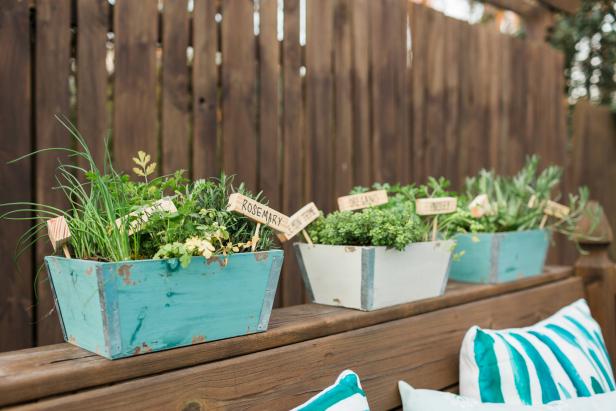
Grow a victory garden. Gardens whether big or small creates a natural environment for all living beings. But if you grow a garden for food, there are certain plants that require very little care, will come back every year, and can be a sustainable food in your meal planning. Try growing a garden that has seasonal and regional plants. Try out easy to grow fruits and vegetables that yield fast and large crops. Or try out plants that grow in successions which fills in gaps from a previous harvest. Beans, carrots, beets, garlic, and salad greens all takes advantage from the previous crop due to their warm and enriched soil.
-
Organize a cleanup day. The world is vast and filled with people who want a better environment. That’s why organizations around the world are taking action this Earth Day by hosting cleanup at beaches and parks, and even your local communities. Organizing a cleanup day is as simple as having a few friends and relatives pick up trash on the beach, or planting trees and native plants at a park (with permission of course). Some popular cleanup organizations include: United by Blue, Surfrider Foundation, and Earthday.org.
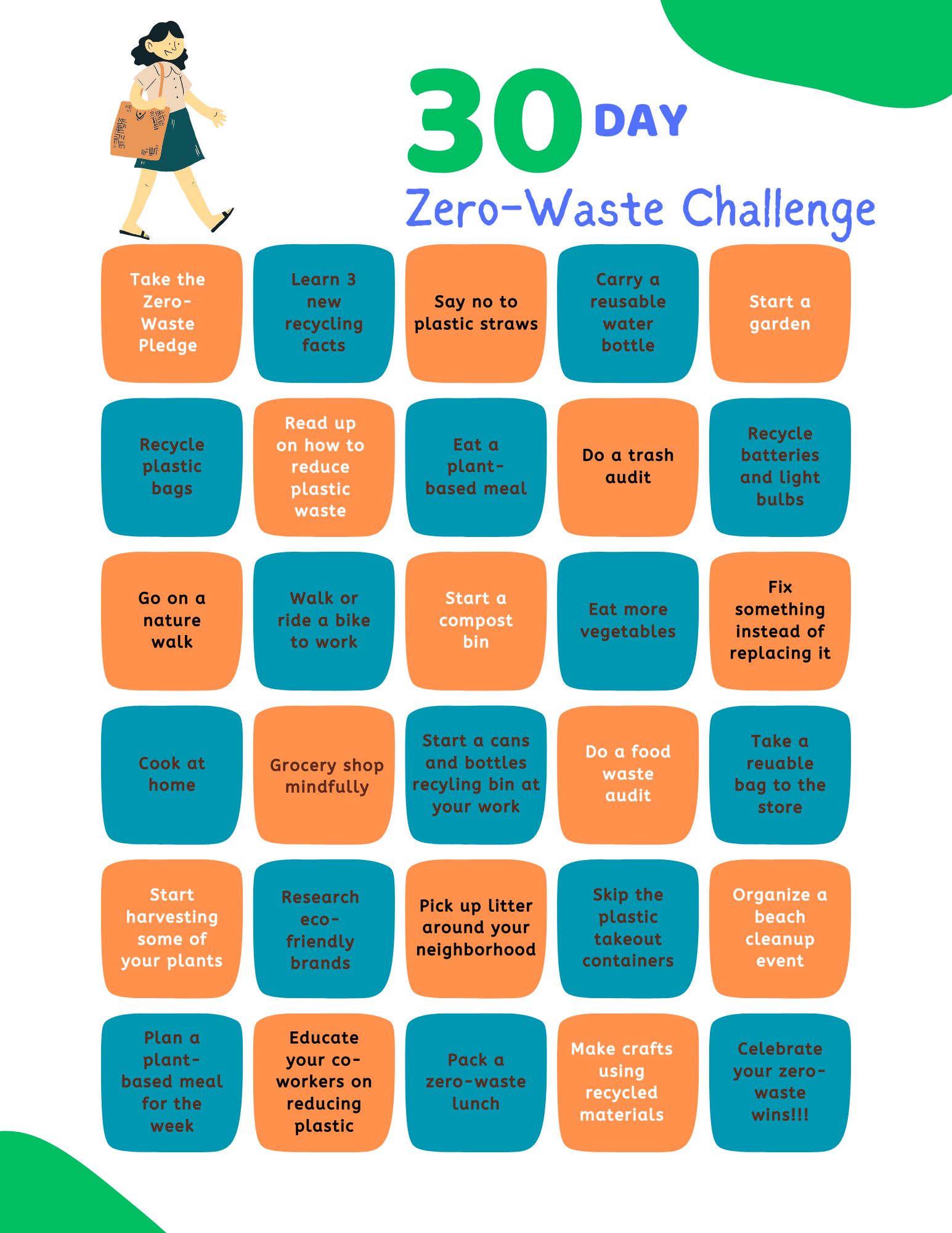
This Earth Month, let’s start reducing our carbon footprint and make a positive impact! Please see below my 30-day Zero Waste Challenge chart and see what you can accomplish!
Disclaimer: The product(s)were sent to the author for review by the manufacturer/PR. All reviews on “Happymomblogger” remain unbiased and unpaid and are the sole decision of the author. The opinions of these product(s) were not influenced in any way, shape, or form. As always, please read the ingredients carefully when trying new products.










 Happymomblogger