
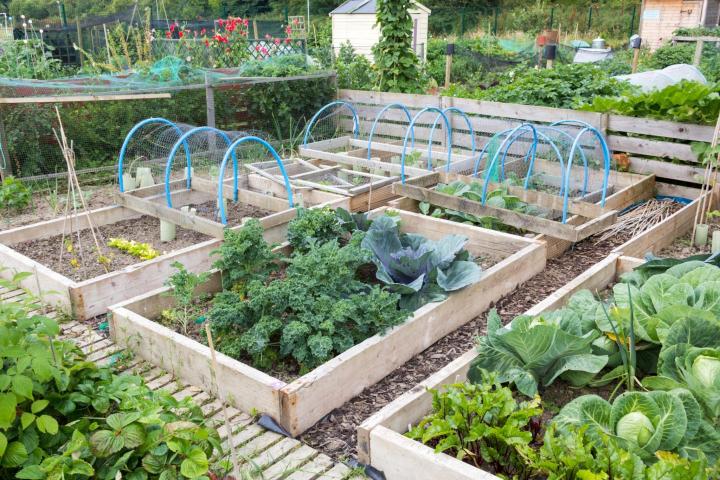
The art of agriculture began many many years ago, even as early as the onset of the Ice Age. It is one of the most innovative invention to have ever been brought to human beings. Even certain animals perform some type of agriculture or farming, telling us that this very crucial form of food production benefits all living beings. As early as mankind, people had the will and knowledge to grow their own food and eat what they grew. There wasn’t a magical bean or a magical anything. It was a simple desire and need to eat healthy food that you were very much in control of.
As agriculture grew so did the change of domesticated agriculture. The need to save money in households branched out to growing food in homes, instead of purchasing them in stores. As people started growing more food they realized the many health benefits that went along with it. Now, many centuries later we learned that healthy foods promote healthy minds and bodies for all ages.
My love for gardening began at a very young age. Both my parents were avid gardeners, and with my dad’s farming background he taught all of his children the basics of gardening and growing your own food. My childhood home had a huge backyard, with an abundance of fruit trees, flowers, and rare plants. What I learned from my childhood eventually led me to teaching children the benefits of being in nature and growing their own food. It doesn’t take a green thumb or acres of land to grow what you eat. All it takes is some patience, the will to learn, and basic knowledge of plant life.
If you want to start your own garden filled with luscious fruits, vegetables, and flowers, then follow these 10 important steps to help you get started.
1- Location, location, location. Where you live depends on what you can grow. Different climate, and your growing zone relies heavily on how successful your crop will be. For the US, check out the USDA’s website to find your growing zone and the definitions on what you can grow: https://planthardiness.ars.usda.gov/. If you’re in other countries, you can do an online search on your growing zone as well. Knowing what your climate zone is and the best plants to grow, will help your garden thrive and eventually feed your family.
2- Grow what you eat. If you’re just starting out on gardening and horticulture, decide on what your family will eat. While many plants are easy to grow they might not be suitable for your family. If your family eats a lot of vegetables then find vegetables that are suitable to your area. This helps reduce waste (but really, who would waste delicious, home grown crops!), and can determine what your family likes best.

3- Differences between seeds and seedling plants. The most economical way of gardening is to grow from seeds. But most seeds take a lot of time to get from germinating (sprouting) to seedlings, to full grown plants. But the joy of growing from seeds is watching your seeds grow into full grown plants! Seedlings, or baby plants you find at nurseries or wherever plants are sold, are plants that are already developed and are maturing. Plant these seedlings outdoors in-ground, or in planters for better growth potential. If you do start off with seeds, be sure to read the seed packet instructions and take time to understand what you’re growing. Remember that growing anything indoors or outdoors take a lot of patience, and trial and error.
4 – Walk around plant nurseries, arboretums, and gardening events. I learned a lot about gardening from my parents, but once the gardening bug bit me I invested a lot of time visiting garden nurseries, arboretums, and sometimes special gardening events where you can talk to professionals and see rare plants. One of the best ways to learn about gardening is to learn about various plants, how they grow, and what their temperament is. Yes, plants have personalities and their own temperaments!
5 – Pick the right plants to grow. This rule of thumb correlates with your local planting zone, and what you plan on growing. Are you growing a garden full of edible plants? Or a garden filled with beautiful and bright flowers? Or a mixture of everything? When you decide on what you want to grow, it’s okay to mix a variety of plants such as easy to grow vegetables and fruits, and flowering plants. Many flowering plants attract beneficial pollinators which will in turn help your eating garden thrive.
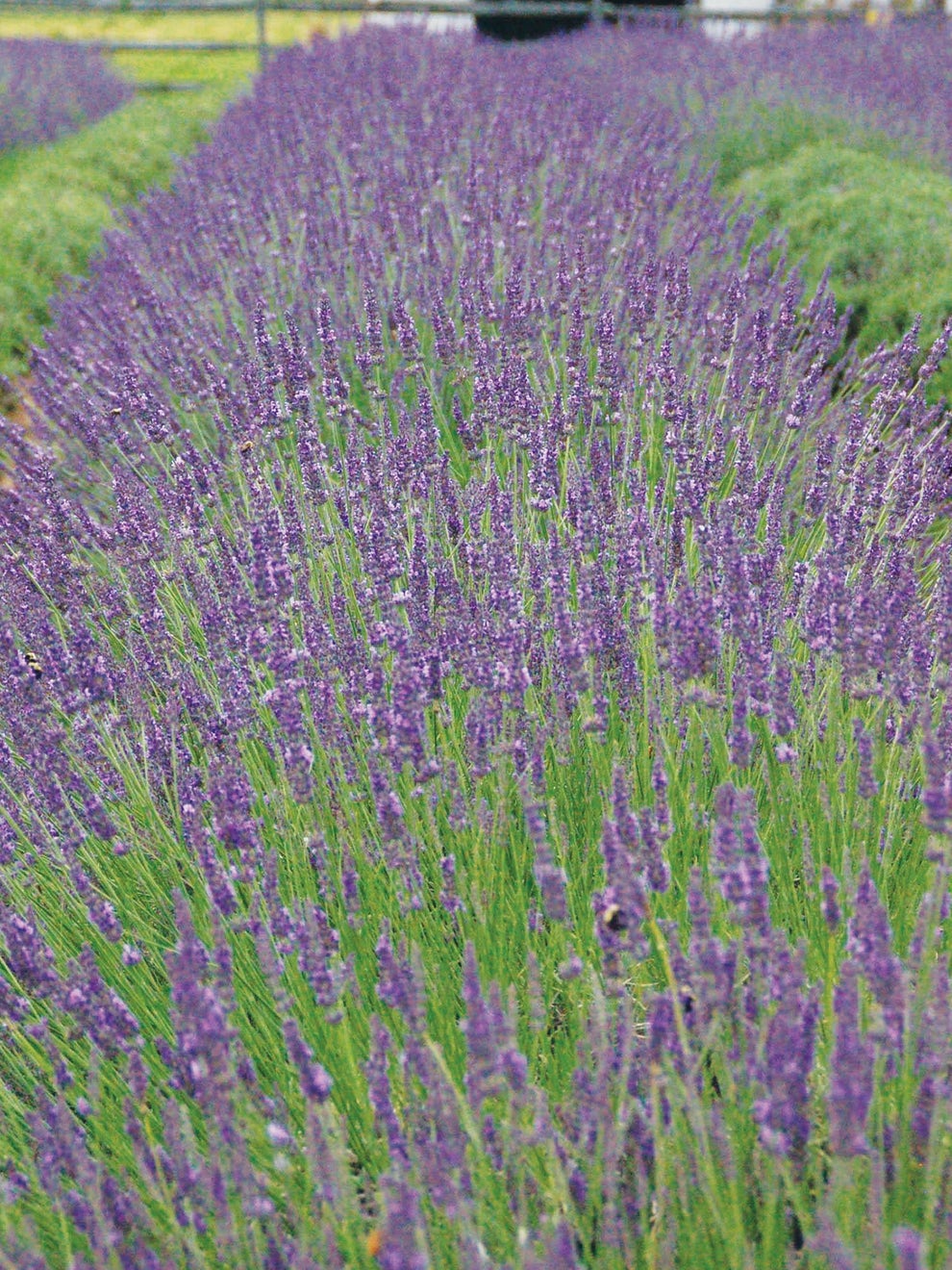
6 – Attract pollinators. A pollinator is a blessing to nature. Without beneficial pollinators many of our edible plants won’t grow well. A pollinator is an insect or animal that carries pollen from one plant to another. The purpose of pollinating a plant is to help the plant grow from seed to an adult plant. It is a type of fertilization of plants which will eventually determine if a plant can grow successfully or not. Nature is wonderful in that every living organism knows its own job or duty. Pollinators such as bees, butterflies, birds, and even wind, helps the eco system thrive and change in nature. Some plants can self pollinate, but most plants need pollination from some form of pollen carriers – such as an insect, wind, or hand pollination. To attract beneficial pollinators, be sure to grow plants that benefit them, so that you invite them into your garden. Pollinators thrive in your garden, and they help your garden thrive.
7 – Use good soil. Soil for plants is like the organs in our body. Soil provides the necessary nutrients to help your plants grow and thrive. The type of soil for your plants is important too. If you’re starting with seeds, sow your seeds in loose soil for better air circulation and emergence of the seedlings. Seeds are tiny and compact, and if the soil is too tight then they will have a difficult time to push through the soil to germinate. You can use a special seed starting soil mixed in with potting soil. If growing seedlings or baby plants whether in-ground or in pots, use high quality soil such as potting soil mixed in with some peat or coconut coir.
8 – Mark your seeds, plants, and keep a journal. It’s important to label your plants whether they are growing in pots or directly in the ground. Labeling your plants can help you identify them as they grow, especially if you’re growing a large amount. Journaling, or some form of garden journal helps you gain valuable insights on how plants grow and the success and failures during the growing process.
9 – Buy organic seeds and seedlings. Organic seeds and seedling plants are grown using stringent organic methods. Organically grown plants are healthier and cleaner for you and for the environment. You can easily find organic seeds and seedlings in your garden center and nurseries.
10 – If at first you don’t succeed, try again. A gardener is much like a parent. And in that sense you are the plant’s parent. Watching your seeds or seedlings grow into adult plants is a wonderful journey. Some plants grow prolifically, while some plants don’t thrive completely. Don’t give up though! Growing a garden is trial and error and can take many years of experience and knowledge to really get things going. Write in your garden journal, support local nurseries and farms, and have fun along the way.
Best of luck in your garden journey!
*photos courtesy of almanac.com and burpee.com
Disclaimer: The product(s)were sent to the author for review by the manufacturer/PR. All reviews on “Happymomblogger” remain unbiased and unpaid and are the sole decision of the author. The opinions of these product(s) were not influenced in any way, shape, or form. As always, please read the ingredients carefully when trying new products.
Please read the labels and ingredients carefully and follow all manufacturer’s instructions (if any). The products selected for the giveaway were generously donated by the companies/PR to help readers learn more about their products. The winner’s choice in using/consuming these products are entirely up to the winner and will not hold the author and her family liable nor the companies/PR liable. These products are made with non-toxic ingredients but always be safe with what you use and consume.
 http://www.topmommyblogs.com/blogs/in.php?id=storm


 Happymomblogger