The Garden of Eatin’

The art of agriculture began many many years ago, even as early as the onset of the Ice Age. It is one of the most innovative invention to have ever been brought to human beings. Even certain animals perform some type of agriculture or farming, telling us that this very crucial form of food production benefits all living beings. As early as mankind, people had the will and knowledge to grow their own food and eat what they grew. There wasn’t a magical bean or a magical anything. It was a simple desire and need to eat healthy food that you were very much in control of.

As agriculture grew so did the change of domesticated agriculture. The need to save money in households branched out to growing food in homes, instead of purchasing them in stores. As people started growing more food they realized the many health benefits that went along with it. Now, many centuries later we learned that healthy foods promote healthy minds and bodies for all ages.

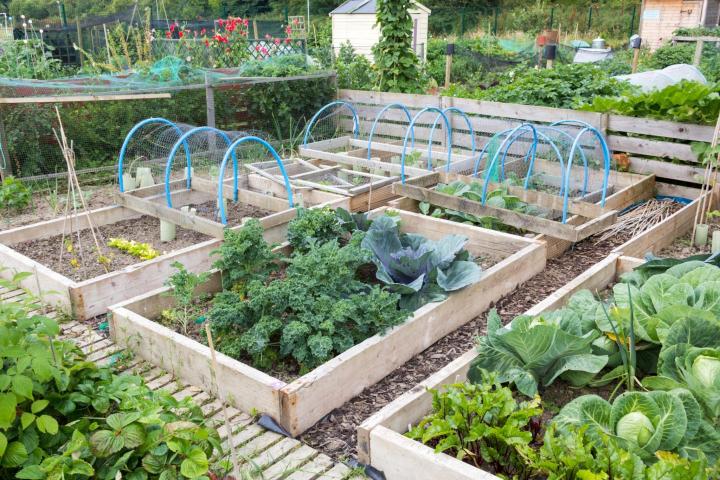
My love for gardening began at a very young age. Both my parents were avid gardeners, and with my dad’s farming background he taught all of his children the basics of gardening and growing your own food. My childhood home had a huge backyard, with an abundance of fruit trees, flowers, and rare plants. What I learned from my childhood eventually led me to teaching children the benefits of being in nature and growing their own food. It doesn’t take a green thumb or acres of land to grow what you eat. All it takes is some patience, the will to learn, and basic knowledge of plant life.

If you want to start your own garden filled with luscious fruits, vegetables, and flowers, then follow these 10 important steps to help you get started.

1- Location, location, location. Where you live depends on what you can grow. Different climate, and your growing zone relies heavily on how successful your crop will be. For the US, check out the USDA’s website to find your growing zone and the definitions on what you can grow: https://planthardiness.ars.usda.gov/. If you’re in other countries, you can do an online search on your growing zone as well. Knowing what your climate zone is and the best plants to grow, will help your garden thrive and eventually feed your family.

2- Grow what you eat. If you’re just starting out on gardening and horticulture, decide on what your family will eat. While many plants are easy to grow they might not be suitable for your family. If your family eats a lot of vegetables then find vegetables that are suitable to your area. This helps reduce waste (but really, who would waste delicious, home grown crops!), and can determine what your family likes best.

3- Differences between seeds and seedling plants. The most economical way of gardening is to grow from seeds. But most seeds take a lot of time to get from germinating (sprouting) to seedlings, to full grown plants. But the joy of growing from seeds is watching your seeds grow into full grown plants! Seedlings, or baby plants you find at nurseries or wherever plants are sold, are plants that are already developed and are maturing. Plant these seedlings outdoors in-ground, or in planters for better growth potential. If you do start off with seeds, be sure to read the seed packet instructions and take time to understand what you’re growing. Remember that growing anything indoors or outdoors take a lot of patience, and trial and error.

4 – Walk around plant nurseries, arboretums, and gardening events. I learned a lot about gardening from my parents, but once the gardening bug bit me I invested a lot of time visiting garden nurseries, arboretums, and sometimes special gardening events where you can talk to professionals and see rare plants. One of the best ways to learn about gardening is to learn about various plants, how they grow, and what their temperament is. Yes, plants have personalities and their own temperaments!

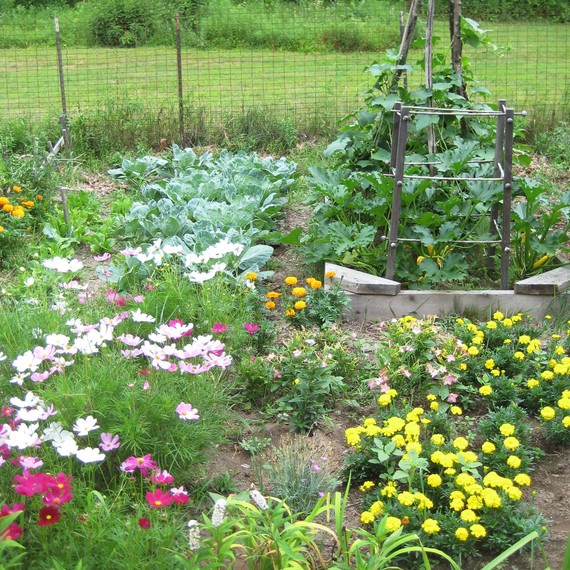
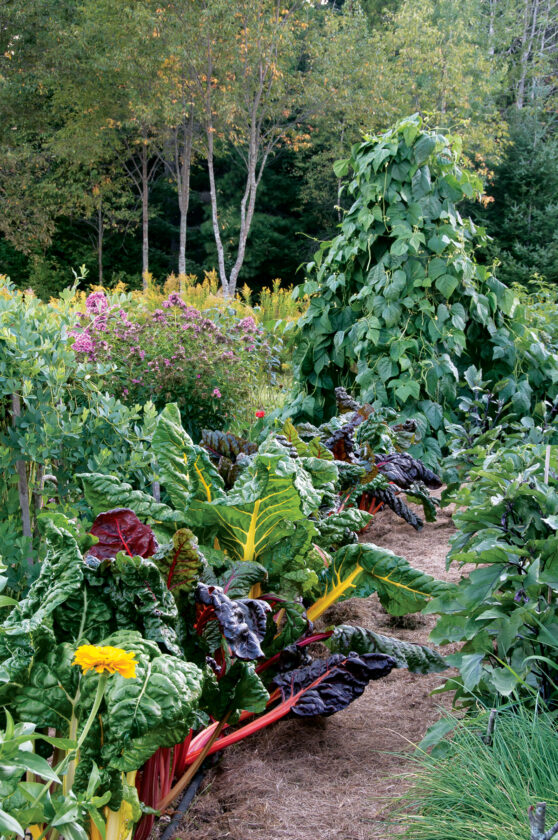
5 – Pick the right plants to grow. This rule of thumb correlates with your local planting zone, and what you plan on growing. Are you growing a garden full of edible plants? Or a garden filled with beautiful and bright flowers? Or a mixture of everything? When you decide on what you want to grow, it’s okay to mix a variety of plants such as easy to grow vegetables and fruits, and flowering plants. Many flowering plants attract beneficial pollinators which will in turn help your eating garden thrive.
main gallery photo

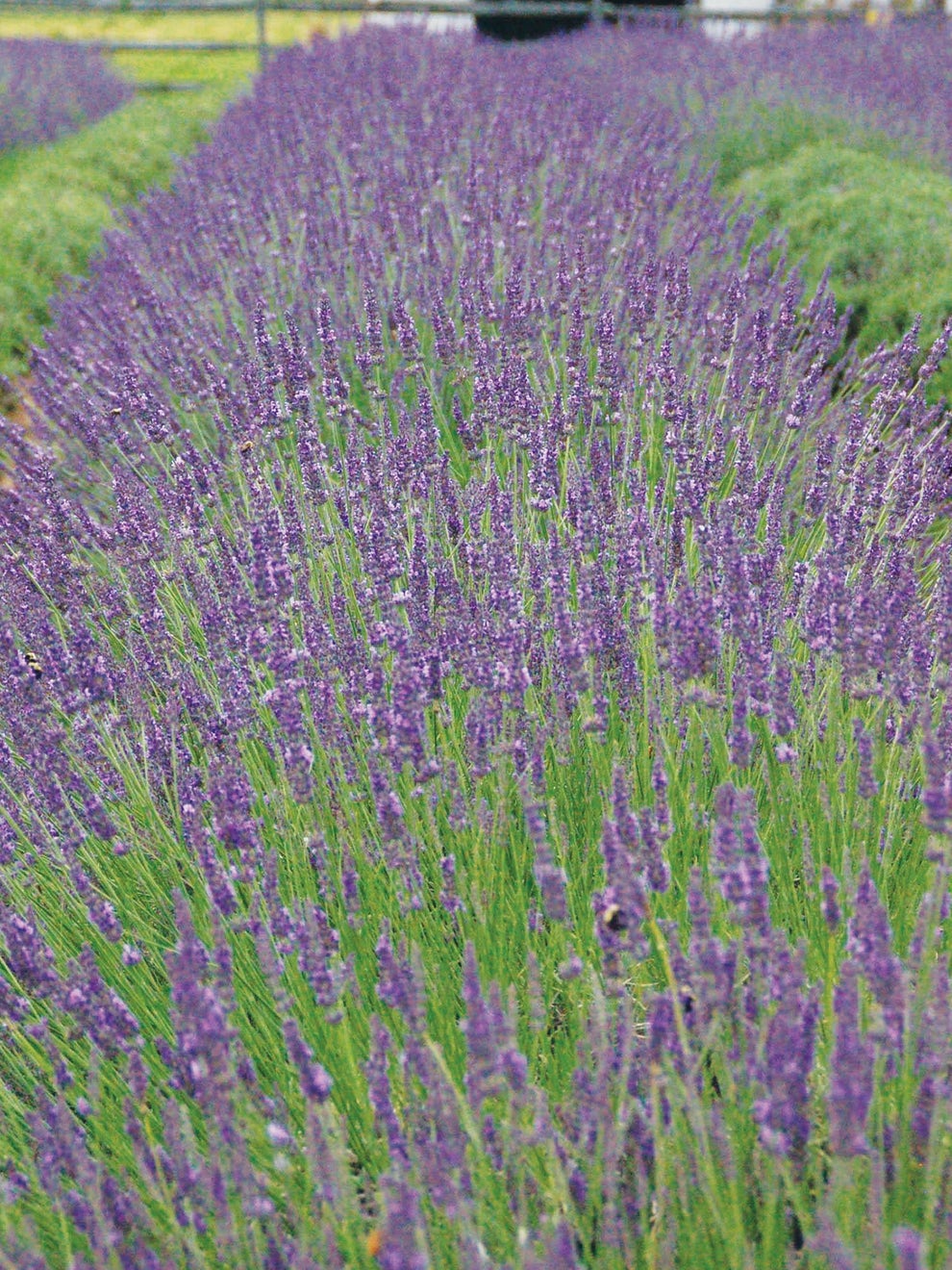
6 – Attract pollinators. A pollinator is a blessing to nature. Without beneficial pollinators many of our edible plants won’t grow well. A pollinator is an insect or animal that carries pollen from one plant to another. The purpose of pollinating a plant is to help the plant grow from seed to an adult plant. It is a type of fertilization of plants which will eventually determine if a plant can grow successfully or not. Nature is wonderful in that every living organism knows its own job or duty. Pollinators such as bees, butterflies, birds, and even wind, helps the eco system thrive and change in nature. Some plants can self pollinate, but most plants need pollination from some form of pollen carriers – such as an insect, wind, or hand pollination. To attract beneficial pollinators, be sure to grow plants that benefit them, so that you invite them into your garden. Pollinators thrive in your garden, and they help your garden thrive.

7 – Use good soil. Soil for plants is like the organs in our body. Soil provides the necessary nutrients to help your plants grow and thrive. The type of soil for your plants is important too. If you’re starting with seeds, sow your seeds in loose soil for better air circulation and emergence of the seedlings. Seeds are tiny and compact, and if the soil is too tight then they will have a difficult time to push through the soil to germinate. You can use a special seed starting soil mixed in with potting soil. If growing seedlings or baby plants whether in-ground or in pots, use high quality soil such as potting soil mixed in with some peat or coconut coir.

8 – Mark your seeds, plants, and keep a journal. It’s important to label your plants whether they are growing in pots or directly in the ground. Labeling your plants can help you identify them as they grow, especially if you’re growing a large amount. Journaling, or some form of garden journal helps you gain valuable insights on how plants grow and the success and failures during the growing process.

9 – Buy organic seeds and seedlings. Organic seeds and seedling plants are grown using stringent organic methods. Organically grown plants are healthier and cleaner for you and for the environment. You can easily find organic seeds and seedlings in your garden center and nurseries.

10 – If at first you don’t succeed, try again. A gardener is much like a parent. And in that sense you are the plant’s parent. Watching your seeds or seedlings grow into adult plants is a wonderful journey. Some plants grow prolifically, while some plants don’t thrive completely. Don’t give up though! Growing a garden is trial and error and can take many years of experience and knowledge to really get things going. Write in your garden journal, support local nurseries and farms, and have fun along the way.

Best of luck in your garden journey!


*photos courtesy of almanac.com and burpee.com

Disclaimer: The product(s)were sent to the author for review by the manufacturer/PR. All reviews on “Happymomblogger” remain unbiased and unpaid and are the sole decision of the author. The opinions of these product(s) were not influenced in any way, shape, or form. As always, please read the ingredients carefully when trying new products.

Please read the labels and ingredients carefully and follow all manufacturer’s instructions (if any). The products selected for the giveaway were generously donated by the companies/PR to help readers learn more about their products. The winner’s choice in using/consuming these products are entirely up to the winner and will not hold the author and her family liable nor the companies/PR liable. These products are made with non-toxic ingredients but always be safe with what you use and consume.

http://www.topmommyblogs.com/blogs/in.php?id=storm


10 Ways to Live Sustainably

Growing up with my parents was a real eye opener. It wasn’t until later when I had my own child that all the things I did in my youth would later transfer to my role as a parent. Sometimes the most difficult lessons to learn isn’t until later on in life; rather, it’s through all the experiences you gained while growing through your own process.

My dad came from a farming and medical family so everything he learned was through hard labor and a thriving dedication to have food on the table. What he taught me in growing my own food to learning how to increase the harvest every year has helped me tremendously in my adult life. My mom came from a diplomatic family, and being resourceful and thorough taught me to be more conscientous and mindful of my choices.

We can all make choices in our daily lives to live more sustainably. But what does it really mean to live a sustainable life? We live in a world where convenience comes a close second to personal freedom. And while convenience is necessary in most instances, it is through these conveniences that we tend to forget how wasteful everything can be. If you look at worldwide pollution, you can see how wasteful this world has become. We live in a plastic world full of convenient and unnecessary packaging of products. And while we can get practically anything shipped to us from around the globe, we should really stop and think how much of these products affect our lives.

I fall prey to convenience as well as the next person. It’s easy to grab a bottled water at Starbucks or order takeout every day. Who doesn’t like convenience? But it’s exactly through these mundane acts that lead up to unnecessary waste and pollution.

Before the end of the year, let’s look at some ways our actions can impact less waste around the world, and most specifically in our community.

10 Ways to Live Sustainably:

1- Start at HOME – Find at least 3 things you can do to eliminate extra waste in your home. Small steps can lead to a bigger impact: 1- You can reduce your carbon footprint by buying a water filtration system instead of buying single use plastic water bottles. 2- Set a timer for showering to reduce your water consumption. Experts suggest at most 5 minute showers are enough for the average household. 3- Check your refrigerator and pantries for food before grocery shopping. It’s easy to forget we bought those extra bags of potato chips or those containers of strawberries that are hiding in the back of the fridge. Do a food checkup to determine what you really need and eliminate food that your family will not likely eat.

2 – Sustainable WORK PLACE – Whether you have your own office, work at home, or sit in a tiny cubicle, there are many ways to do sustainable acts at your work place. Choose reusable water bottles that are insulated for extra cold or hot beverages, walk to work or carpool as often as possible, and put in recycling bins in the offices/buildings and encourage people to recycle their aluminum cans, glass bottles, and plastic bottles. See if management will allow other ways of recycling such as paper recycling, ink and toner recycling, and so forth. Check out Plastic Free July for more inspiration: https://www.plasticfreejuly.org/resources/solutions/

3 – Do a WHOLE house audit – There’s no such thing as a perfectly sustainable house. If you live in a house, you’re going to use electricity, water, gas, and any other utility. But do you want to know how to reduce your utility bills? Try a whole house audit to find out where you can reduce, or eliminate unnecessary usages: https://earth911.com/home-garden/home-energy-audit-basics/

4 – Start a GARDEN – Gardening is truly one of the easiest ways to reduce waste and improve your carbon footprint. You don’t have to live on a 10-acre farm or have a green thumb. You can start a space-saving garden with planter pots or find a small patch in your backyard. Start off with starter plants to get your gardening groove going. Easy to grow plants are herbs, seasonal vegetables such as radishes, carrots, and beans, and small or dwarf citrus plants. Once you’re accustomed to growing your own food, you can escalate your skills by growing from seeds and propogating your plants. Find out your planting zone for best crop results: https://www.almanac.com/what-are-plant-hardiness-zones

5 – Reduce PLASTIC WASTE – While plastic has many benefits, they can also cause detrimental damage to our planet. You’ve probably already heard and seen plastic pollution waste in our oceans, our landfills, and even in your neighborhood. Single-use plastic waste is buying and using a product that can not and should not be reused, or more importantly, they are made to last through only one use. Their life cycles are tremendously long and do not break down easily. Plus the danger of microplastic leaking into your containers can be a health risk as well. You can reduce your plastic waste by bringing your own beverage containers at coffee shops, buy loose produce instead of ones already packaged, and bring your own reusable grocery bag or tote. These are all simple and effective ways of reducing plastic usage.

6 – Start a SCHOOL ECO CLUB – Young children have bright futures and big ideas. Give them the opportunity to help their planet by starting an environmental club. Whether it’s in elementary school, middle school, high school, or even college, kids can benefit by learning how to take care of the environment and teach others the same concepts and skills. A great place to start is with Grades of Green (https://gradesofgreen.org/who-we-are/), a non-profit, education and project based program that helps schools around the world become more eco-friendly.

7 – EMPOWER Yourself – If you encounter people who scoff at you bringing your own lunch instead of ordering takeout, or argue that global warming is a hoax, then it’s time to empower yourself. Fact-based data is one of the best ways in proving your stance, but you can also tell people to look around their own environment to see that waste and pollution is all around us. You can make your own choices in how you want to be more environmentally aware and in turn, help others understand the need to do so.

8 – Say NO to extra packaging – If you walk into a local grocery store you’ll most likely find fruits in plastic packaging, vegetables wrapped in plastic, and bags upon bags of convenient foods. It makes me sad when I see vegetable wrapped in plastic, because they are most likely shipped from somewhere far. Do we really need our cucumbers to be wrapped in plastic or bell peppers jammed inside a plastic container? We can easily pick our own fruits and vegetables in the produce section, and in doing so, it tells stores and manufacturers we don’t want our fresh produce to be unnecessarily wrapped. Be sure to bring your own cloth produce bags for fresh fruits and vegetables, and bulk bins whenever possible.

9 – UPCYCLE What You Have –  As consumers we have the power to choose what we want to buy and which brands to support. As convenience goes, it’s easy to throw something out and buy a new item the next day. But before you throw something out, think whether it can be upcycled. Upcycling is a form of repurposing what you have to give it a second or third life. Clothing are easily upcycled and swappable. For instance, you can turn your old t-shirts into tote bags and cleaning cloths. Other ways of upcycling include turning milk cartons and plastic containers into seed starters, or paint them to hold pens and pencils. If you’re a skilled crafter, you can upcycle old furniture into something new. You can find many things to upcycle if you just look around your house. For more upcycling ideas, be sure to check out Pinterest.

10 – RECYCLE and DONATE – The last resort to living a sustainable life is to recycle and donate what you have. Recycling isn’t always the best option, but it is one of the options to living a sustainable life. Check your local municiple to see where recycling centers are and find out what you can recycle there. You can also donate your gently used goods for others who might need them. The best places to donate your items are at school fundraiser drives, thrift stores, and non-profit charities who usually end up giving your donations away for free instead of selling them.

Living a sustainable life doesn’t mean giving up what you love. It’s about making responsible and conscientious choices that benefit yourself, your home, and the planet. Start with these simple 10 ideas and soon you’ll find other ways to increase your sustainability efforts.

*photos courtesy of Earth911.com

Disclaimer: The product(s)were sent to the author for review by the manufacturer/PR. All reviews on “Happymomblogger” remain unbiased and unpaid and are the sole decision of the author. The opinions of these product(s) were not influenced in any way, shape, or form. As always, please read the ingredients carefully when trying new products.

Please read the labels and ingredients carefully and follow all manufacturer’s instructions (if any). The products selected for the giveaway were generously donated by the companies/PR to help readers learn more about their products. The winner’s choice in using/consuming these products are entirely up to the winner and will not hold the author and her family liable nor the companies/PR liable. These products are made with non-toxic ingredients but always be safe with what you use and consume.

http://www.topmommyblogs.com/blogs/in.php?id=storm

Advertisements

Reimagining Food Waste

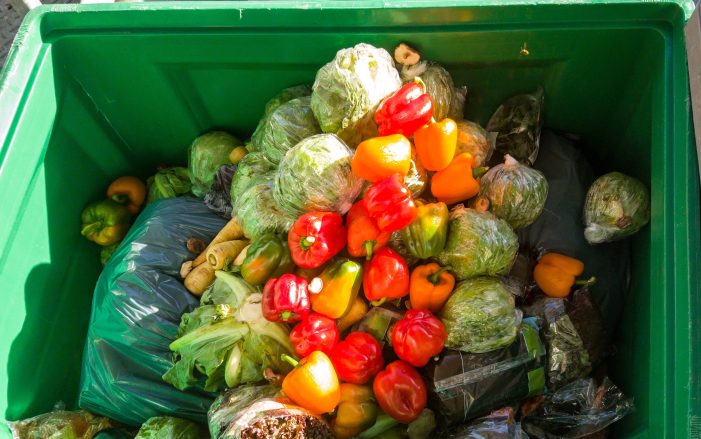
When we think about food waste, what do you imagine? An abundant heap of food tossed into the landfills or throwing out barely expired food from your own kitchen? Well, all of those factors contribute to excess food that gets thrown in the trash which inevitably ends up in our streets, oceans, and clogs up our planet’s resources. Food waste is one of the leading causes of environmental degradation in the world. In fact, excess food waste is an ongoing major global problem and it’s up to us to find solutions to prevent it.

As parents we laboriously cook meals for our children, whether it’s an extravagant meal or something quickly thrown together. We hope our children finish the food off their plates and appreciate what we provide for them on the dinner table. But what happens to all the food that don’t get eaten or cooked?

Why is food waste such a problem, especially in the United States?  According to Foodprint.org, the US accounts up to 40% of food wasted and up to 160 billion pounds of food that gets thrown away. Add in to food lost that happens with bad weather at farms, fisheries, and manufacturing facilities, it’s incredible how much valuable food gets lost in the system. Consider that food insecurity is also a major problem around the world, what can one individual do to help prevent food waste?

WHAT CAN YOU DO TO HELP PREVENT FOOD WASTE?

  • Create a Zero-Waste kitchen. Start with planning all your meals in advance and make shopping lists. Check your refrigerator and pantry before grocery shopping. Date certain foods on the containers or if you plan on freezing them. Cycle older foods to the front of the fridge so you can use them up first.

  • Compost. One of the easiest way of reducing your carbon footprint is to compost. While this may not be a miracle saver of preventing food waste, composting helps reduce waste in the landfills and can benefit the plants in your garden.

  • Check the “best by” date, rather than the “expired date”. Many companies have changed their labeling to indicate a best by date since households around the world have various food preservation methods. In the past, food were wasted because consumers were afraid of eating food past the expiration date. Most food can last several days past the expiration date but to be sure, check for any type of mold, discoloration, or foul smell before consuming.

  • Eat out less. Eating out is convenient and easy, but is also a big contributor to food waste. Consider that we don’t necessarily finish everything on our plates or want to take food home to eat later. Even taking food home doesn’t always equate to eating the leftovers. Restaurants waste a lot of food on a regular basis and we can do our best to eat out less whenever possible.

  • Preserve food scraps. What happens to all the scraps of vegetable skins, fruit cores, and excess bones? Try making broths or stock from leftover meat, vegetables, and make jams from fruit skins and cores.

  • Cook proportionally. Oftentimes families cook big meals because they want leftovers. While that may work for some families, for others cooking large portions end up wasted because food gets forgotten in the fridge or children decide they don’t want to eat the same food again. Cook according to your family size and proportion meals to age of your children. Younger children tend to eat less so big portions don’t really work for them.

  • Support local and farm-to-table establishments. Many local eateries are small businesses who thrive on making fresh food and providing local options. Plus, in order to keep their finances in check, these small business restaurants and eateries are careful with what they purchase and produce.

  • Donate. If you do end up with more food than you can eat, consider donating unopened food to food rescue centers. Food rescue center (or commonly known as food shelters) rely on donated food items. If you have canned food that are near the expiration dates, you can donate them to your local food rescue centers. Check ahead if they also take fresh produce as sometimes unpackaged food are not accepted.

  • Grow your own food. The benefits of growing your own food are abundant. You are in control of what you grow, how you eat what you grow, and also giving them away to friends, family, and neighbors. It’s also a much healthier option than store-bought food.

  • Don’t throw away unnecessarily. School-aged children might bring food from home for snacks and lunch. But I’ve witnessed tons of uneaten food thrown away or thrown in the trash after a couple of bites. Teach your children to bring home any leftovers, and pack accordingly to portion size. Remember that school-aged children don’t get a lot of time to eat during school hours, so they don’t need a five-course meal to take to school.

There are many ways to prevent food waste and food lost. Support local farms, contact city and state officials, grow your own food, and talk about the harmful effects of food waste with family and friends. Not only are you helping to prevent food waste, but also preventing wasting money on food that gets tossed out or you changed your mind on. The more we are aware of this devasting concern, the sooner we can help clean up our planet.

***photos provided by Foodprint.org and Shutterstock

Disclaimer: The product(s)were sent to the author for review by the manufacturer/PR. All reviews on “Happymomblogger” remain unbiased and unpaid and are the sole decision of the author. The opinions of these product(s) were not influenced in any way, shape, or form. As always, please read the ingredients carefully when trying new products.

Please read the labels and ingredients carefully and follow all manufacturer’s instructions (if any). The products selected for the giveaway were generously donated by the companies/PR to help readers learn more about their products. The winner’s choice in using/consuming these products are entirely up to the winner and will not hold the author and her family liable nor the companies/PR liable. These products are made with non-toxic ingredients but always be safe with what you use and consume.

http://www.topmommyblogs.com/blogs/in.php?id=storm


Easy Ways for Kids to Start a Summer Garden

Summer is a great time to start a garden with children. With some free time before school starts, children can get a good harvest going before the fall and winter seasons. While temperatures are conflicting around the world, you can still find the right type of plants to grow in the summer and be ready for a hearty harvest in a couple of months.

My love for gardening and nature developed at a very young age. I thank both my parents for that because now I teach gardening to children at an elementary school and hope to instill in them a love of nature too. Whether you’re a beginner or an avid gardener, getting kids started at a young age gives them a chance to learn and grow at their own pace. Nature has no judgement and will in fact, bring you an abundance of joy and satisfaction for many, many years.

To get kids started in gardening, you must know the basics. The fundamentals of gardening helps develop good habits that leads to better understanding and less frustration. If you and your children already have a garden full of lovely plants, then that’s awesome. If not, or you’re just starting out, check out some easy tips to get you started on a lifetime of healthy living.

10 BASIC GARDENING TIPS:

1 – Decide on your garden space. Do you want a small patch of land in your yard? Do you want only planters?Or do you want a mixture of ground and raised? Once you decide on the type of garden you want, you can start planning!

2 – Decide on how much you want to invest in your garden. If you’re just starting out, it’s easier to start on a small budget. Any range between $50-$100 is a good starting point.

3 – Have your kids research on the type of plants they want to grow. Depending on their age, they can start with very basic and easy to take care of plants. I will list the type of plants below.

4 – Visit a garden center or big box stores like Home Depot and Lowe’s that has a garden center. Take some time to walk around and learn about the various types of plants. Touch the plants and smell them to see what you like.

5 – While at the garden center, pick up some easy to grow plants: mint (any type), tomatoes, cucumbers, cabbage, radish, sweet snap peas, bell peppers, daisies, sunflowers, and hibiscus (seasonal).

6 – Have your kids pick out basic garden tools: small hand shovel/spade, small hand rake, gloves, bucket, watering can, and gardening soil. Many gardening tools are made for children but I recommend getting them medium sized tools so they can eventually grow into them. Check out this one-for-all tool set: https://amzn.to/43bxRJS (sponsored).

7 – Find the right spot in the garden. Most plants can take full sun up to 6 hours, depending on where you live. For easy to grow plants such as the ones mentioned above, try to grow them where there’s sun for most part of the day. If you plant in planters, they are easy to move around according to the position of the sun.

8 – Don’t over or under water your plants. How do you know if you’re over watering or under watering? Check the top soil. Place 2 fingers into the soil of where you plant is. If it’s moist, then you don’t need to water the plants yet. If it’s dry or not moist, then water them immediately. Over watering plants can kill them or cause plant diseases. Under watering plants can make it difficult for them to flourish again. An easy way to manage water is with an irrigation center: https://amzn.to/3NC6mUg (sponsored).

9 – Buy high quality planting soil. Once you’ve decided if you’re planting directly in ground or in planters, make sure you buy higher quality soil to give your new plants a chance to grow and flourish.

10 – Tag and monitor your plants. If you’re growing from seeds, it’s very simple to watch your seeds grow from seedlings to full plants. If planting seedlings that you got from the store, place markers in the soil with the name of the plant and the date it was planted.

A few other things to note as your child starts his/her journey into becoming a gardener. Besides doing the basics of gardening, invest in composting and upcycling. I use this Compost Bin at home and at school: https://amzn.to/44uL3dV (sponsored).

Being a gardener or just having a love for gardening is also being a steward of the planet. We garden because we appreciate nature and the love of living a healthy lifestyle. Gardening is therapeutic and resourceful. You can plant a bounty of delicious and healthy food to last you for many years or you can grow a garden just for show. All it takes are some simple steps to begin your garden and your kids will grow into a love for nature and making healthy choices.


*photo courtesy of Martha Stewart magazine


Disclaimer: The product(s)were sent to the author for review by the manufacturer/PR. All reviews on “Happymomblogger” remain unbiased and unpaid and are the sole decision of the author. The opinions of these product(s) were not influenced in any way, shape, or form. As always, please read the ingredients carefully when trying new products.

Please read the labels and ingredients carefully and follow all manufacturer’s instructions (if any). The products selected for the giveaway were generously donated by the companies/PR to help readers learn more about their products. The winner’s choice in using/consuming these products are entirely up to the winner and will not hold the author and her family liable nor the companies/PR liable. These products are made with non-toxic ingredients but always be safe with what you use and consume.

http://www.topmommyblogs.co


Easy Ways for Kids to be Environmentalists

Growing up I didn’t truly understand the need to reduce and save. It wasn’t until many years later and living on my own that I realized being wasteful and careless of what I spent and purchased could affect my way of living. For instance, one could easily pick up takeout food ten times a week without thinking of the impact these take-outs could affect our bodies and our environment. Consider the plastic packaging, the miles driven just to get the food, or even leftover, uneaten food because in all seriousness, takeout food isn’t very well kept in the refrigerator.

As we’re approaching a new era of being more environmentally conscious, we’re beginning to see the detrimental effects of global warming and climate change. Unlike decades ago when it was perfectly normal to grow our own food or reuse our items many times until they get thrown away, our society slowly became a “throw away” society and a means for anything that is convenient and easy. But I always have bright hopes for our future generations because they can still be taught to make the right choices when it comes to protecting our planet.

I’ve taught environmental practices for many years and I’m still learning and trying to improve my craft. There are ever expanding knowledge and new techniques on how to save our planet. But can we truly save our planet though? Is it too late? Do we all need to make bigger changes to really see a positive impact? Perhaps. But every little step can lead to bigger ones.

This new year, let’s help our children understand the need to be more environmentally aware and to make little steps to help clean up our world. Below I’ve listed 10 easy ways to be an “environmentalist”.

10 Ways to Help Children be Environmental Leaders:

1 – Sit down with your child and visit some helpful websites to start their process: https://earth911.com/

https://www.ewg.org/

https://kidsgardening.org/

2 – After you’ve visited these sites, write a list of what you’ve learned and what you want to achieve.


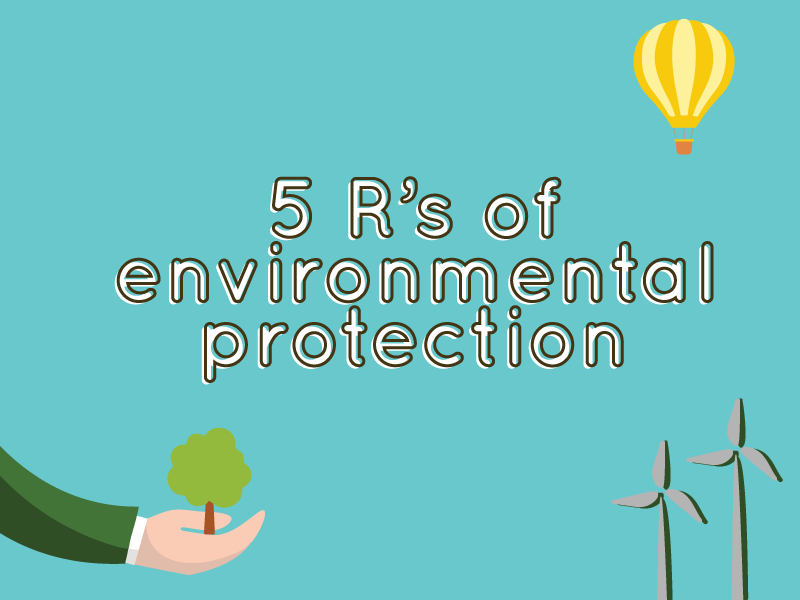
3 – Learn these 5 important “R’s”: Recycle, Reduce, Reuse, Repurpose, and Refuse

Recycle – Look for packaging that are recyclable and check your local recycling municipalities for accepted packaging. Typical recyclable packaging for plastics are labeled with numbers 1, 2, and 5.

Reduce – Reduce your usage and purchases. Do you really need new toys? New clothes?

Reuse – Before you throw something away think about how you can reuse it. Some items can be repurposed or upcycled into something else. For example, plastic bottles can be used as planters or seed starters, old tires can be turned into colorful planters in your garden, or ripped shirts can be cut into pieces for cleaning around the house. There are endless possibilities for bringing new life to your old items.

Repurpose – This is much like upcycling or finding a new use for an old or about to be thrown away item. As stated above, you can find tons of new and useful ideas for plastic bottles, old clothes, and cardboard boxes that your purchases came shipped in.

Refuse – This one is perhaps the most difficult to accomplish, but it’s also quite easy once you get into the habit. Refuse plastic to-go utensils and bring your own instead. Refuse to-go containers especially if they’re in Styrofoam which is detrimental to our health and the environment. Refuse bulk buying unless they’re storable, you’ll use them in a reasonable timeframe, or you plan on giving some away. Bulk items might seem like a great monetary deal, but if you don’t have use for them then they can get forgotten and end up in the trash.

4 – Grow a home garden.  This is perhaps the most fun project for a child. When you grow your own food garden, you are saving money and your health. Start off small if you’re new at gardening and limited on space. You can grow an edible garden in planters or in ground. Check out one of my for  favorite kid-friendly gardening websites: https://kidsgardening.org/ easy and achievable tips.

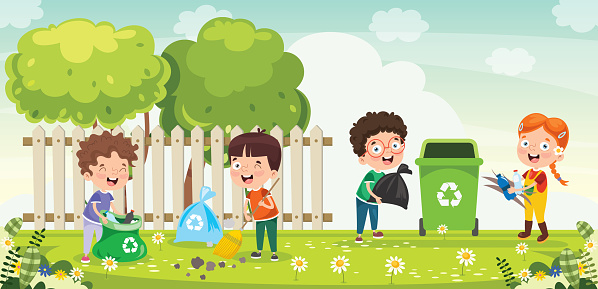
5 – Start a Green Team club at school. Children as young as 5 years old can learn about saving the planet. I’ve run a Green Team at an elementary school for many years and I’m always amazed at how eager children are to learn and protect their world. Talk to the school principal and administrators first and get everyone on board!

6 – Visit local conservation sites such as the water and power department and recycling centers. If they give tours to the public, you will generally learn how different types of energy are used. Recycling centers are fun and educational and you’ll walk away with new knowledge on how to reduce and recycle.

7 – Start an environmental campaign. It could be as small as a group of like-minded friends or as large as a citywide movement. Your goal is to help people be more aware of taking care of our planet and the proper steps to make small changes that can lead to bigger changes.

8 – Start Composting. Each year, approximately 108 billion pounds of food is wasted  in the United States. Consider that amount ends up in our landfills causing horrendous amounts of greenhouse gas. The air we breathe gets contaminated due to the pollution caused by food waste and our beautiful oceans can hardly contain all the waste that ends up there. Compost is a great way of reducing leftover or unused food. The energy produced by composting the right materials can turn into healthy fertilizers for our plants.

9 – Support local and small businesses. While we still need to buy from conventional brands now and then, consider supporting local businesses that also supports a cleaner planet. But don’t just take their word for it. Look at their website and do some research. Visit their stores and see what they sell, their philosophy on using clean materials that can be traced to their origins, and how they produce and package their products.

10 – Take a stand on helping the environment and don’t let naysayers deter you. Children are wonderful learners and have the ability to see things in a clearer light than most adults. Allow them the room to grow into little environmentalists and they (and you) will be proud of their positive influences in the world.

Remember – the goal is to realize there is a problem with waste in our world. Food waste, energy waste, water waste, product waste, and the list goes on. Start with one or two goals and then the more comfortable you are with what you’ve started, the more you can expand.


Disclaimer: The product(s)were sent to the author for review by the manufacturer/PR. All reviews on “Happymomblogger” remain unbiased and unpaid and are the sole decision of the author. The opinions of these product(s) were not influenced in any way, shape, or form. As always, please read the ingredients carefully when trying new products.

Please read the labels and ingredients carefully and follow all manufacturer’s instructions (if any). The products selected for the giveaway were generously donated by the companies/PR to help readers learn more about their products. The winner’s choice in using/consuming these products are entirely up to the winner and will not hold the author and her family liable nor the companies/PR liable. These products are made with non-toxic ingredients but always be safe with what you use and consume.

http://www.topmommyblogs.com/blogs/in.php?id=storm


Get Ready for Earth Month! – Giveaways and Actions

It’s been over 50 years since the first Earth Day movement began. April 22 marks the official Earth Day, but people around the world are starting early in the month of April, and so can you.

What’s so special about Earth Day and Earth Month? It is an especially important movement where we must do all that we can to protect and preserve our precious planet. Think of Earth as your body. You do what you can to protect your body and your health. The same should be for our planet.

Whether you believe in science or just figuring things out yourself, it’s pretty evident with the drastic climate changes happening throughout the years. We live in the world of convenience and the need to have things conveniently at our fingertips threaten the future of a healthy environment.

But how do we help the planet? First, by acknowledging that we all live on Earth and it’s not a “someone else can save the environment”. Yes, other people certainly can, but if you do just one small step to help the environment, what harm can that cause you?

During Earth Month, please join me with activities that we can do to better understand the environment crisis. I’ll also showcase brands and companies that are doing good for the environment and offer some great giveaways! Today, let’s start with how you can learn more about earth-friendly activities.

EASY EARTH-FRIENDLY ACTIVITIES FOR KIDS:

  • Join or host a local cleanup. This is one of the easiest way to help the environment and your community. You can do it by yourself or with some friends. Make sure you do it safely by wearing personal protection equipment such as gloves and masks. Visit earthday.org for cleanup activities in your area: https://cleanup.earthday.org/

  • Plant an edible garden. Being in nature connects us to a feeling of serenity and peace. When you give your children their own little spot in the yard to grow some food, you’re giving them lifelong skills. Try planting carrots, strawberries, herbs, and anything that are in season. Try to buy organic or Non-GMO seeds/plants when possible.

  • Plant a pollinator garden. Pollinators such as bees and butterflies help pollinate our food. More than 35% of our food are provided by bees. And flowering plants are a delightful treat for bees, butterflies, and hummingbirds.

  • Show your love and support for our planet by coloring in the Earth template below. Place your colored Earth on your windows and show the world how much you care about our planet.

  • Donate to charity. Gather your kids and decide on what you want to donate.  Donating your gently used items such as clothing and toys help keep the circular recycling going. You can donate either to a local donation center, church, or a school clothing program.

  • Nature walk. If you’re fortunate to live near forests and parks, then take your kids out on a nature walk. Appreciate the natural air, the voluminous trees, and the beautiful plants around you.

Follow me along this Earth Month journey this year! My next post will be a fabulous eco-friendly gift prize! Be sure to subscribe and stay tuned!

Disclaimer: The product(s)were sent to the author for review by the manufacturer/PR. All reviews on “Happymomblogger” remain unbiased and unpaid and are the sole decision of the author. The opinions of these product(s) were not influenced in any way, shape, or form. As always, please read the ingredients carefully when trying new products.

Please read the labels and ingredients carefully and follow all manufacturer’s instructions (if any). The products selected for the giveaway were generously donated by the companies/PR to help readers learn more about their products. The winner’s choice in using/consuming these products are entirely up to the winner and will not hold the author and her family liable nor the companies/PR liable. These products are made with non-toxic ingredients but always be safe with what you use and consume.

http://www.topmommyblogs.com/blogs/in.php?id=storm