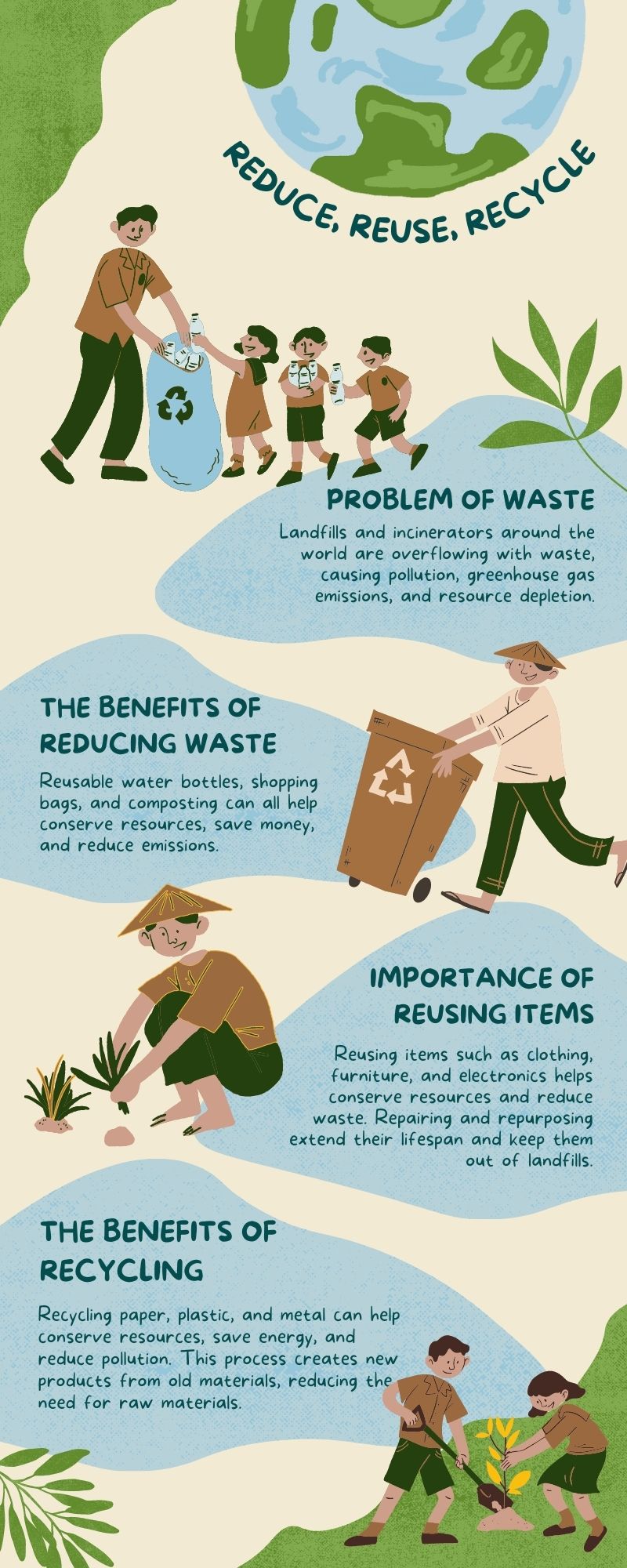
Take the 30-Day Zero-Waste Earth Month Challenge!

Every year Earth Day is celebrated on April 22. People and businesses all over the world perform acts of kindness towards the planet. As awareness of climate change and devestation brought forth by unprecedented natural disasters around the world, Earth Day quickly grew into Earth Month as the need to take on environmental actions became more prevelant.

Since its conception over 50 years ago, Earth Month is a time to show just how important our planet is to us. People from the smallest areas to larger organizations bring awarenss to the forefront, enabling and encouraging people to take action. We are all habitants in this big, beautiful world and it’s up to us to make sure she stays beautiful and clean for future generations.

This Earth Month, let’s take action in how to protect our planet. No small act goes unnoticed. No big act is too magnanimous.

HOW YOU CAN CELEBRATE EARTH MONTH:

  • Go Plant-Based during Earth Month. Plant-based foods are essentially food that comes from plants, such as legumes, soybeans, and any type of vegetables and fruit that can complete a meal. When you hear plant-based, you’re probably thinking of the term, “vegetarian” or “vegan”. But you don’t have to be either of those to enjoy a plant-based meal. If you’re new to the plant-based scene, try adding more beans, peas, lentils to your meals which replaces animal meat. Legumes are rich in protein and essential nutrients for a healthy body. Did you know, that eating just one plant-based meal for the week equals to planting 70,000 pine trees a yeaer?
  • Switch to reusable products. We are already beyond trying to reduce single use plastics. Why? Because manufacturers will continue to produce single use plastics based on what the consumers buy. The trickle down effect from big businesses to consumers leaves us with millions in tons of plastics being used throughout the years. We can still do our part in reducing plastics that end up in our oceans, our landfills, and eventually in our food. Switch from single use plastics (plastic containers that should only be used once and thrown away), to materials that can be reused many times and can also be easily recycled and reproduced. Materials such as aluminum, glass, and products made from sustainable resources such as bamboo, palm leaves, and reclaimed wood are better choices.

  • Buy Less, Save More. The need to buy, buy, and buy stems from the desire of thinking we want more than what we already have. Consumerism is a huge factor in what companies produce and sell. If they know we want their products – regardless of their need – they will produce them. But as consumers, we also have the strongest voice in what we buy. We don’t want the cheap quality products that break after a few uses. We don’t want products that are not safe for our families. And we certainly don’t want to support companies that don’t align with our values. In this sense, buy less of what you don’t need and you’ll actually end up saving more money. Pretty easy to understand and appreciate that your dollars speak volumes in sending out a message to these corporations.

  • Support eco-friendly brands. While we are trying to spend less, we can also support companies that are responsible with what they do with their products. Choose companies that are part of the circular economy, where they find ways to reduce their carbon footprint in the world. While most small businesses try to reduce their carbon footprint, there are some larger brands that are going the way towards more sustainable practices.

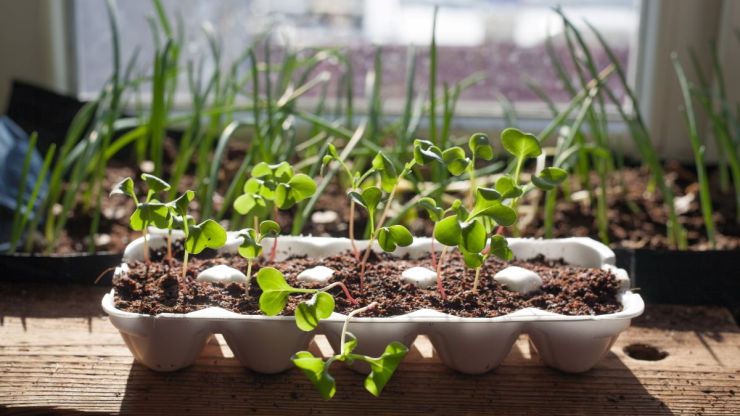
  • Grow a victory garden. Gardens whether big or small creates a natural environment for all living beings. But if you grow a garden for food, there are certain plants that require very little care, will come back every year, and can be a sustainable food in your meal planning. Try growing a garden that has seasonal and regional plants. Try out easy to grow fruits and vegetables that yield fast and large crops. Or try out plants that grow in successions which fills in gaps from a previous harvest. Beans, carrots, beets, garlic, and salad greens all takes advantage from the previous crop due to their warm and enriched soil.

  • Organize a cleanup day. The world is vast and filled with people who want a better environment. That’s why organizations around the world are taking action this Earth Day by hosting cleanup at beaches and parks, and even your local communities. Organizing a cleanup day is as simple as having a few friends and relatives pick up trash on the beach, or planting trees and native plants at a park (with permission of course). Some popular cleanup organizations include: United by Blue, Surfrider Foundation, and Earthday.org.

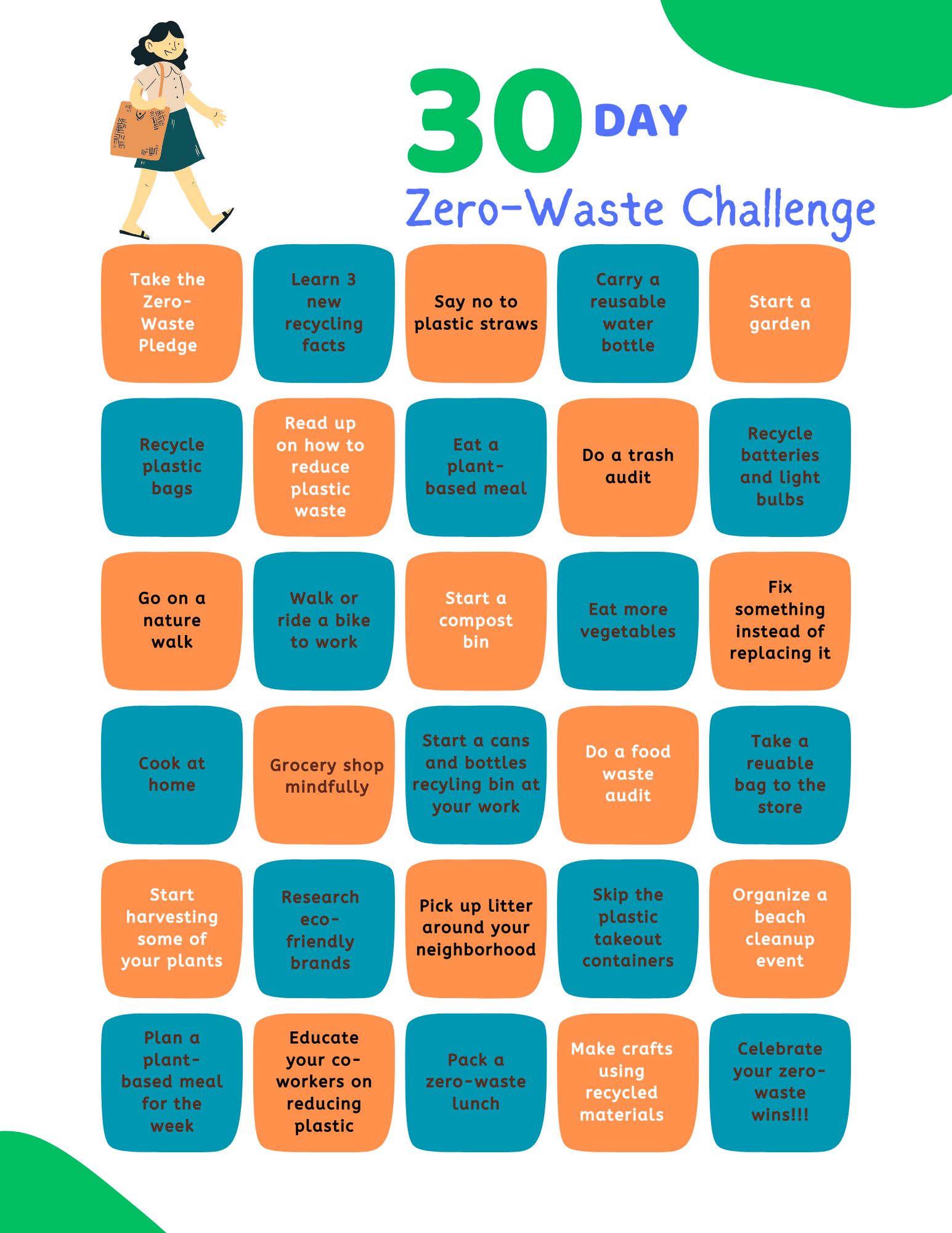
This Earth Month, let’s start reducing our carbon footprint and make a positive impact! Please see below my 30-day Zero Waste Challenge chart and see what you can accomplish!
 

Disclaimer: The product(s)were sent to the author for review by the manufacturer/PR. All reviews on “Happymomblogger” remain unbiased and unpaid and are the sole decision of the author. The opinions of these product(s) were not influenced in any way, shape, or form. As always, please read the ingredients carefully when trying new products.

Please read the labels and ingredients carefully and follow all manufacturer’s instructions (if any). The products selected for the giveaway were generously donated by the companies/PR to help readers learn more about their products. The winner’s choice in using/consuming these products are entirely up to the winner and will not hold the author and her family liable nor the companies/PR liable. These products are made with non-toxic ingredients but always be safe with what you use and consume.

Looking Ahead to 2025 – Sustainability, Choices, and Actions

The brand new year always brings a range of emotions for me. At times I’ll look back and see what I’ve accomplished, what I should have accomplished, and what ways I can improve myself for the future. A new year can bring many opportunities for change and improvement. We can reflect on our past and learn to grow for the better. Sometimes the challenges we faced in the past made us better and helped us see the “bigger picture”. Other times our challenges drained us and left us with even more doubts and questions.

Whatever paths you went through in 2024, don’t let it hinder you from making a brighter and better 2025. This year, I want to focus more on my sustainability efforts and I hope to help others crossover into this journey or help them grow. Our choices define us in a way that can lead to better decisions in the future, or hinder us from growing. Our actions can speak to others and ourselves, telling stories that can either help or prevent growth.

The year 2025, surprisingly also the year of the Snake in the Lunar calendar, signifies wisdom, growth, and transformation. Much like the snake that sheds its outer layer to transform into something newer, it also symbolizes growth and change. Change can bring positive and negative outcomes. But it’s up to us to decide how we want to make positive changes for the present and the future.

Sustainability is a big action, a giant movement. It is one of the most basic forms of survival. But in the sense of sustainability for the environment, we must bolster our efforts to protect our future generations. Sustainability for the environment is, the quality of causing little or no damage to the environment and therefore able to continue for a long time. Being sustainable can be as simple as necessary, or as complicated and intricate as you continue with planning and preserving the environment. Below I’ve listed some easy sustainability efforts, as well as stepping up to more complicated actions that you can take.

5 EASY WAYS TO CHOOSE SUSTAINABLE ACTIONS:

1- Conserve what you have. This philosophy helps with buying less, spending less, and using less. Conservation starts with knowing the needs of your family, yourself, your workplace, and anywhere you’d like to take on conservation. Start by analyzing where you are NOT conserving. For instance, are your utility bills too high? See where you can scale back usage and conserve in areas that are safe and sustainable for you and your family. Here’s a helpful article on conserving water in your home and/or business. You can apply some of these techniques with your other utilities as well: https://earth911.com/home-garden/conserving-water-at-home/

2 – Choose to Reduce, Reuse, and Recycle. If we want our planet to thrive for our future generations, we must choose to be kinder to our planet. Reduce the need for excess waste and materials that are not compostable or easily recyclable/reusable. Reuse what you have and swap with others when possible. By reusing an item indefinitely, we can reduce our need to buy more. But we careful of what you are reusing. Choose materials that are safe to reuse such as cotton, aluminum, glass, and wood. Recycle whenever you can and choose facilities that can recycle as many materials as possible. Most recycling facilities take back materials such as aluminum, glass, paper, wood, metal, and so forth. Be sure to check with your county’s recycling centers.

3 – Buy wisely. As consumers, we have the biggest influence in consumer product goods. When we choose to buy from brands that are environmentally responsible and promotes sustainable actions, we are telling businesses that we want them to be responsible and hold to their values and ethical actions. To take this further, we’ll discuss this in the advanced action steps.

4 – Learn the difference between Organic and Non-GMO. Organic products are products made from organic agriculture and companies must go through a rigorous certfication in order to be certified as organic. Organic food is grown without the use of synthetic chemicals, such as human-made pesticides and fertilizers, and does not contain genetically modified organisms, also known as GMOs. GMO, or genetically modified organism, is a plant, animal or microorganism that has been subjected to biotechnology. While GMO products are quite controversial, with people debating the necessity of this practice versus the dangerous side effects of it, it’s best to choose organic products due to the entire system of process that a certified organic product must go through. This means a cleaner and more sustainable environment for people, animals, and planet.

5 – Grow your own food. You’ve probably already read my posts that promote gardening and growing your own food. There are many benefits to growing your own fruits and vegetables, such as health reasons, sustainability, biodiversity, and just the pure joy of eating fruits and vegetables that were ripened on the branch rather than in the grocery store. In addition, you can grow what you love to eat or try out new crops throughout the years.

5 ADVANCED WAYS TO MAKE SUSTAINABLE ACTIONS:

1 – Choosing ethically made products. I mentioned earlier that consumers have great power in sustaining a business or company. We can choose to support a brand that aligns with our values or reject brands that are detrimental to the environment. But we don’t always get to pick and choose what brands to buy from, and that’s okay too as long as you educate yourself and become more aware of who you’re buying from. Most products are made for mass consumption. In the world of convenience mentality especially in the US, we buy products that save us time, but not necessarily saves our money and health. Do your own research on how companies make their products. This ranges from greenhouse emissions from their factories to how and where they source their raw materials.

2 – Teach your children and future generations. When you leave this world do you wish for a great future for your children and all future generations? Start educating your children at a young age to be advocates for the environment, their health, and their own well being. Education begins at home and it’s our job as parents to give our children an opportunity for a bright future. Teach your children the importance of eating healthy, of less waste, and understand fundamental roles as a caregiver of the planet.

3 – The impact of the meat industry. According to Earth911, The average American eats approximately 226 pounds of meat per year, and they are expected to eat even more – 233 pounds – by 2033. Food accounts for 10% to 30% of our household carbon footprint, and meat accounts for more than half of that. If you choose to eat meat in your meals, try to eat ones that produce less carbon footprint, which in turn can help minimize environmental damage. Beef produces the most product emissions which occurs in processing, transport, retail, cooking, and waste disposal. Pork and poultry produce much less carbon footprint, and seafood varies by type and how they are farmed/caught. To learm more about seafood impact on the environment, check out SeafoodWatch.org

4 – Upcycling. Upcycling is a method of repurposing what you already have instead of throwing them away. The latest trend of upcycling is upcycled food. You might be surprised at how much food is wasted each year in the US, let alone all over the world. Companies are upcycling their food products by using their not-so-perfect fruits and vegetables and producing them into dried fruit, dried soup packets, and so forth. Or they are commissioning farms to save their less perfect produce to be turned into upcycled food products. By upcycling what you already have, you can save money and resources and produce less waste in the environment.

5 – Make your business and company more sustainable. If you have the chance to make the world a better place, would you do it? Sure, you can start at home and with your own family and friends, but companies and businesses can produce A LOT of waste. A business should be responsible for their environmental impact. Afterall, they rely mostly on consumers and the needs of their customers. The energy used to extract, process, and ship raw materials for use in products, along with all the impacts along the supply chain account for the majority of greenhouse gas emissions globally. That also means that business can make the biggest difference simply by deciding to reduce extraction by switching to circular approaches to materials and to decarbonize industrial processes. For more info on how to change your company’s environmental impact, check out: Earth911

We only have one planet, but an abundance of opportunities to take positive actions. Educate yourself on the impact of your own carbon footprint, and take on ways to do more sustainable actions.


Disclaimer: The product(s)were sent to the author for review by the manufacturer/PR. All reviews on “Happymomblogger” remain unbiased and unpaid and are the sole decision of the author. The opinions of these product(s) were not influenced in any way, shape, or form. As always, please read the ingredients carefully when trying new products.

Please read the labels and ingredients carefully and follow all manufacturer’s instructions (if any). The products selected for the giveaway were generously donated by the companies/PR to help readers learn more about their products. The winner’s choice in using/consuming these products are entirely up to the winner and will not hold the author and her family liable nor the companies/PR liable. These products are made with non-toxic ingredients but always be safe with what you use and consume.

http://www.topmommyblogs.com/blogs/in.php?id=storm

What Is This Plastic Trickery?


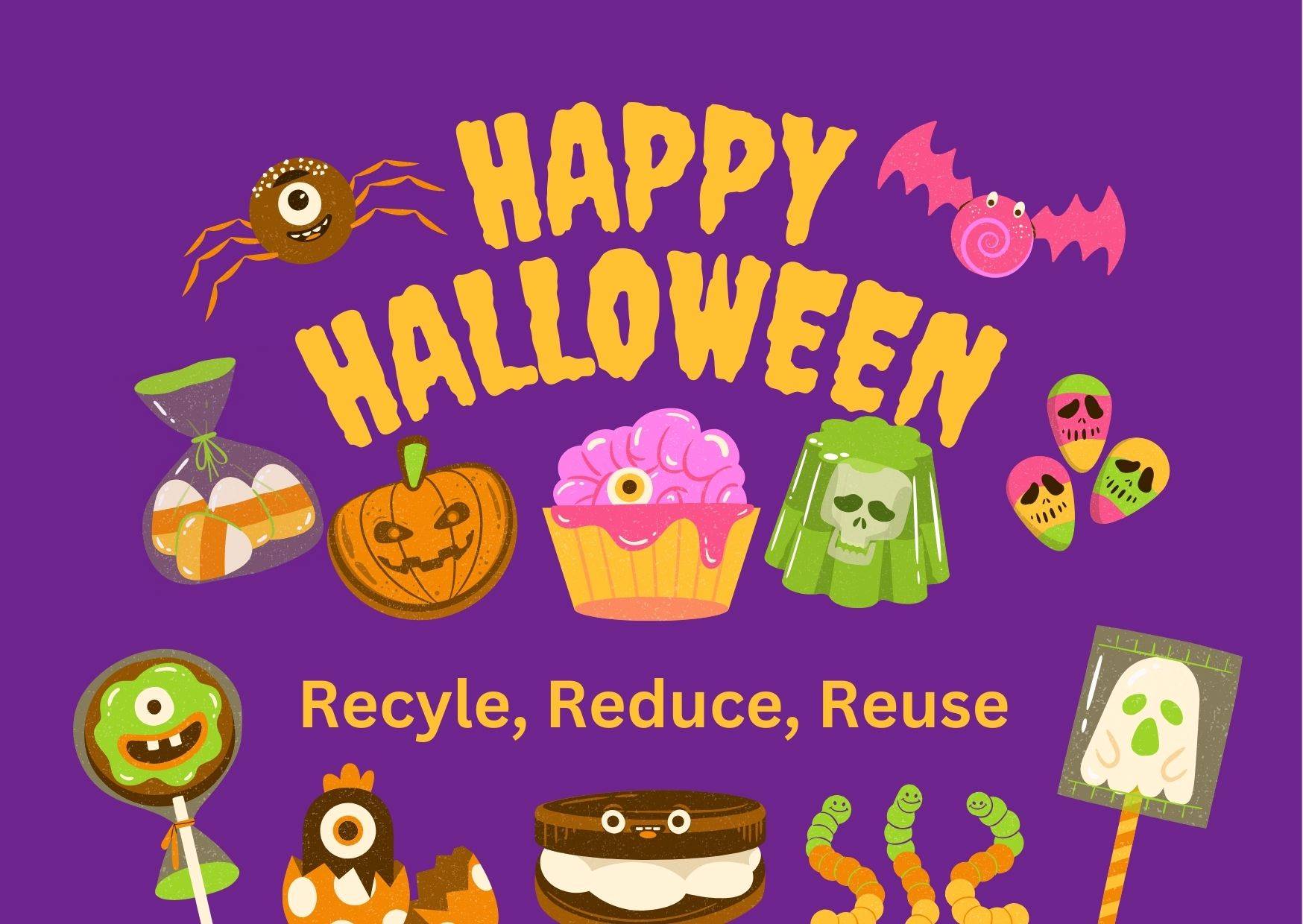
Halloween is just around the corner, and this fun and exciting event usually brings out all kinds of creativity and imagination. From the outrageous and adorable costumes parading down the streets, to the extravagant decorations, and of course the over abundance of candy and treats, it’s no wonder that Halloween is such a popular “holiday”.

I love Halloween and look forward to it each year. But I don’t love the excess candy waste and plastic waste that ends up in landfills. While Halloween is traditionally celebrated to ward off evil, society has made this event into a big extravaganza. Houses are decorated from top to bottom, parties and trunk-or-treats every weekend, and even “tricks” being played by kids and teenagers regardless of the reason. After the big day is over, streets are cluttered with candy wrappers, plastic toys, and extra waste.

So what can we do to prevent less waste on Halloween? I admit, it can be an incredibly fun event, especially for school-aged children. But we also have to consider what we buy and use during this holiday that puts a strain on our environment. Below I’ve listed some ways to reduce waste, and how you can prevent excess waste before and after Halloween.

mon and son getting ready for trunk-o-treat

TIPS TO REDUCE WASTE THIS HALLOWEEN:

  • Set up a recycling center at home, school, office, and neighborhood. During Halloween, and many days after when you’re trying to eat all the leftover candy, there will be lots of candy, chips, and cookie wrappers. Most of these wrappers are not readily recyclable, and they end up in the city’s landfill. But you can ship these wrappers to a dedicated facility, and the most popular one is called TerraCycle (https://www.terracycle.com/en-US/). They take back almost everything imaginable and find ways to either repurpose them or recycle the products. You can purchase their ZeroWaste boxes or mailer bags and send them your waste.

  • Reuse costumes from previous years, do a friends costume swap, or search for local free and inexpensive neighborhood costume exchanges.

  • Throwing away an old bedsheet? Make a traditional ghost costume by cutting out two holes for eyes and let your imagination go wild! Leftover delivery boxes? Make a robot out of the boxes or anything else that’s easy to make. You can find many ways to upcycle what you already have at home to make fun and unique costumes.

  • Instead of candy and the ominous candy wrappers, buy useful treats that kids of appropriate ages will use. Pencils, fun erasers, and notepads are just a few ideas. Giving out rolls of pennies or quarters are also a welcomed treat for little and big kids.

  • If you’re hosting a Halloween party, try to limit plastic waste. Use real glass, candlesticks, and dinnerware. If you must use disposable party decorations and dinnerware, try using paper products or items you can reuse for many years.

  • After the Halloween festivities are over, look for organizations that will take your excess candy. There are non-profit groups that will ship candy to the military, or donate to low income communities.

  • Compost your pumpkins after you’ve taken out the seeds. Use the seeds as a snack, or save them to plant for next year’s pumpkin harvest. Also, you can check local farms to see if they’ll take your leftover pumpkins to feed their livestock.

There are many ways to conserve this Halloween season, and to reduce overall waste. We can all have fun but still be mindful of the environment that we all share.

Have a happy and safe HALLOWEEN!!!

*photos courtesy of Ferry-Morse, and Parents magazine


Disclaimer: The product(s)were sent to the author for review by the manufacturer/PR. All reviews on “Happymomblogger” remain unbiased and unpaid and are the sole decision of the author. The opinions of these product(s) were not influenced in any way, shape, or form. As always, please read the ingredients carefully when trying new products.

Please read the labels and ingredients carefully and follow all manufacturer’s instructions (if any). The products selected for the giveaway were generously donated by the companies/PR to help readers learn more about their products. The winner’s choice in using/consuming these products are entirely up to the winner and will not hold the author and her family liable nor the companies/PR liable. These products are made with non-toxic ingredients but always be safe with what you use and consume.

http://www.topmommyblogs.com/blogs/in.php?id=storm

Weatherproof Your Lifestyle: Tips for Remote Workers Navigating Climate Change

From time to time I post guest articles with interesting topics related to my blog. Today’s guest article is written by Larry Waters, owner of the gardening and horticulture website called Sow Sustainability (https://sowsustainability.com/).

Climate change is one of the most pressing issues of our time, and it’s having an increasingly large impact on humans around the globe. For some, this may mean relocating due to climate change-related events like rising sea levels or extreme weather. If you’re a remote worker considering a move for these reasons, Happymomblogger has some tips that can make the process easier.

Make Immediate Lifestyle Changes

As part of your relocation process, start making immediate lifestyle changes to reduce your environmental impact. This can be as simple as using carcinogen-free cleaning products or replacing incandescent light bulbs with energy-efficient LEDs. These small steps can make a big difference in preserving the environment while also saving you money in the long run.

Research Potential Locations and Their Respective Climates

Research potential locations and their respective climates before making any final decisions on where to relocate. Consider factors such as average temperatures, access to natural resources like lakes and mountains, and whether or not any extreme weather events occur regularly in the area. All of these components should be taken into account when deciding where to move.

Convert All Real Estate Information as PDFs and Use Free Online Tools To Edit Them

If you’re in the real estate industry, you know how crucial it is to keep track of all the information related to your properties. A great way to do this is by converting all real estate information into PDFs. With PDFs, you can easily store, manage, and share information with your team and clients. Plus, PDFs are compatible with most devices, making them convenient for everyone involved. To take it a step further, try using free online tools to edit your PDFs — click for info. These tools make it easy to update and revise your documents in real-time, without the need for expensive software. Click for info on how to start converting and editing your real estate PDFs today.

Network with Current Residents

Networking with current residents is a valuable source of information for those planning to move to a new place. They can provide insights on local recommendations, schools, job opportunities, and climate change-related events that they have experienced first-hand. This information can help one prepare for their move and make better decisions.

Forming Your Own LLC

Establishing an LLC in California can help reduce taxes and control your workplace carbon footprint while providing more business stability than freelance work. This provides an advantage during uncertain times like those caused by climate change-related events such as flooding or hurricanes. Overall, an LLC can offer significant benefits for those looking to maintain a sustainable and stable business.

Analyze Cost of Living

Analyzing the cost of living should include considering various expenses such as housing costs, public transportation fees, and food expenses. The assessment should cover daily life expenditures that may have an economic impact on an individual. This research aids in assessing the total cost associated with relocation if the need arises due to climate change-related events occurring near the current place of residence or workplace.

Look For Homes With Energy Efficient Appliances

One way to promote sustainability in a new home is by looking for energy-efficient appliances when searching for homes. Energy-efficient appliances can reduce electricity bills and overall environmental footprint. Newer designs offer better insulation and reduced electrical usage, resulting in lower costs while still providing the same level of functionality.

Look For Public Transportation That Helps Cut Down On Emissions

To help reduce emissions and contribute to the preservation of the environment, it is important to consider public transportation options available in the area. Using buses or trains instead of private vehicles can significantly decrease the number of pollutants entering the atmosphere. One can plan accordingly to ensure one can get around town while prioritizing environmentally-friendly transportation options.

Weatherproofing your lifestyle as a remote worker is crucial in navigating the impacts of climate change. By implementing the tips provided in this guide, such as preparing for power outages and investing in appropriate weather-resistant gear, remote workers can minimize disruptions to their work and maintain productivity. Ultimately, adapting to changing weather patterns is essential to a successful and sustainable remote work lifestyle.

*images provided by Pexels

Editor’s note: opinions, views, and stats are provided by Larry Waters and are not directly affiliated with Happymomblogger’s website. This article was written without monetary compensation.

Disclaimer: The product(s)were sent to the author for review by the manufacturer/PR. All reviews on “Happymomblogger” remain unbiased and unpaid and are the sole decision of the author. The opinions of these product(s) were not influenced in any way, shape, or form. As always, please read the ingredients carefully when trying new products.
Please read the labels and ingredients carefully and follow all manufacturer’s instructions (if any). The products selected for the giveaway were generously donated by the companies/PR to help readers learn more about their products. The winner’s choice in using/consuming these products are entirely up to the winner and will not hold the author and her family liable nor the companies/PR liable. These products are made with non-toxic ingredients but always be safe with what you use and consume.

http://www.topmommyblogs.com/blogs/in.php?id=storm

EARTH MONTH 2023 – Ditch Perfection and Embrace Action

April 22, 2023 is officially Earth Day. However, during the month of April you’ve probably heard the phrase, “Earth Day is Every Day” throughout social media, news outlets, and so forth. Well, no truer words can be said than how we embrace Earth Day, or Earth Month. Each year we learn something new, something that enlightens us on how we can help this beautiful planet and all the living things on it. While there are still skepticism on whether climate change is real, the bold truth lies in what you see around you and the environment you live in. Why there are fluctuating climate changes year after year is an indication that Earth is shifting and changing from the actions of her inhabitants. But there is also good news! According to an United Nations report, Earth’s ozone layer is slowly healing itself, due to drastic climate actions taken all over the world. It is estimated to heal in about 43 years as long as we continue on the path of restoring our precious planet.

You might wonder…well, how can I save the planet? I’m here to tell you…no one person can do that job. And no one can do it perfectly either. All it really takes is one small action, which will eventually lead to many small actions. We don’t have to spend tons of money buying an eco-friendly product, or ditch our gas powered cars to buy electric. We don’t even have to spend any money to be more environmentally friendly. We just have to take ACTION!!!


For some, being environmentally aware is a journey. For others, it’s a fast action, momentary clarity. Where you might fall in between is probably the easiest and most accessible to everyone. We can start our journey with a couple of earth saving tasks, such as using reusable grocery bags instead of store plastic bags. Then, as we see the changes that could make, we can add a couple more tasks. Below, I’ve listed 10 ways one can begin their journey. We don’t have to do things perfectly. We just have to take action with one small step.

DITCH PERFECTION AND EMBRACE ACTION:

1 – Look around you as you begin your journey. Do you live in an area where litter is practically everywhere? Or are your city workers diligently and regularly cleaning up litter and debris? It doesn’t matter where you live – there will always be trash and litter left on the roads, in beaches, and business areas. Strive to pick up litter when you see it. You don’t have to tour the whole city to do so – you can start with your area and instantly see the changes.

2 – Start within your Community. The best place to start is where you live. Gather your friends, family, and co-workers and choose places where you can do cleanups. Make it a weekly activity and help your community be more aware of climate action.

3 – Start at home. Your home is probably where you have the most control…and the most challenges. Getting your whole family on board to be more environmentally aware can be a challenge if anyone has opposing views. But keep it simple – start by recycling your plastic and aluminums. Sort your food waste from your regular waste. Some cities throughout the US has strict rules on how to recycle and what to recycle, so check with your city’s municipal and/or trash services.

4 – Choose to buy responsibly. Where you put your money can determine how businesses will act. Don’t want to spend money on plastic waste? Support businesses that create products meant to help the environment. Not sure what to do with a closetful of clothes you’ll never wear again? Think about what to purchase the next time you want a new shirt or pants. 

5 – Choose organic. The word “organic” has been around for many years and there were some ambiguity in the beginning. People thought they were being “green-washed” into buying organic while not really knowing where the products were made or how they were made. Companies were jumping on the bandwagon with easy terms such as “made with organic ingredients” or “all-natural”, and inevitably caused confusion for real brands who were producing responsibly. Always check the labels and ingredients and better yet – do some research on the brands you buy from.

6 – Grow your own food. You don’t need a green thumb to grow food at home. There are many easy to grow plants that can be grown in pots or the smallest of gardens. Growing your own food reduces the carbon footprint of food shipped to stores. Your food is right in your own home, so you can choose what you want to grow based on what your family eats. The easiest plants to grow for food are: radishes, snap peas, cucumbers, lettuce, beans, and carrots. Start off with seeds to sow in your garden or planter, or buy organic and locally grown seedlings at garden centers. Growing your own food is also healthier and create an eco-system that helps pollinators and biodiversity.

7 – Zero waste/Less Waste. You don’t have to go completely off grid to be more eco-conscious. Being zero waste isn’t achievable for everyone, but reducing waste can be achievable for almost everyone. Consider what you’re buying and why you’re buying it. If you have children then that can be difficult to do, but not unattainable. The next time you buy something, seriously think about the absolute need for it. Can it be recycled or reused? Can you keep it for many, many years?

8 – Contact your lawmakers. Government who makes laws to help or hinder the environment needs to hear your voice. After all, we elect these officials and help pay their paychecks, why not make them work for us? Contact your legislators, congress, and your governors. Write letters, make phone calls, and attend public hearings when possible.

9 – Reduce Waste at school and workplace. Besides being more eco conscious at home, take on climate action at your school and workplace too. Check to see if your school and workplace recycles bottles and cans, recycle paper, reuse paper, and have a trash sorting program. 

10 – Teach your children. Kids are the future and their actions to help the planet can start as young as possible. Ideas to get your kids and whole family on board:

  • start a trash sorting system where you sort food for Compost, regular trash, and any recyclable bottles and cans. Then be sure to dump them correctly and/or take them to recycling centers.

  • pack school lunches in reusable containers and make a habit to do so each time.

  • teach your children that it isn’t necessary to have new toys all the time. Trade toys with their friends or family members, buy gently used toys, or buy from brands that use recycled materials.

When it comes down to reality – it truly isn’t difficult to help the planet. The 5 words you can remember when you’re stuck in a situation are:

  • REDUCE, REUSE, REFUSE, RECYCLE, REPURPOSE

Happy Earth Month and let us know how you’ve helped the planet!!!

The Top 10 Earth Day Events of 2023

Disclaimer: The product(s)were sent to the author for review by the manufacturer/PR. All reviews on “Happymomblogger” remain unbiased and unpaid and are the sole decision of the author. The opinions of these product(s) were not influenced in any way, shape, or form. As always, please read the ingredients carefully when trying new products.

Please read the labels and ingredients carefully and follow all manufacturer’s instructions (if any). The products selected for the giveaway were generously donated by the companies/PR to help readers learn more about their products. The winner’s choice in using/consuming these products are entirely up to the winner and will not hold the author and her family liable nor the companies/PR liable. These products are made with non-toxic ingredients but always be safe with what you use and consume.

http://www.topmommyblogs.com/blogs/in.php?id=storm


An Eco-Friendly Holiday Gift List

It’s been a crazy and hectic few months for me, but I promised an updated Environmentally friendly holiday IDEA list so here it is. Wishing everyone peace, joy, and great health for 2023!

ECO-FRIENDLY HOLIDAY GIFT LIST AND IDEAS FOR 2022:

Many of us are scrambling and looking for possible gift ideas on the internet, in stores, and even creating some by hand. Whatever your holiday gift season plans are, make sure to include some eco-friendly ones this year. With plastic pollution and just overall waste throughout the world, we can all do better to improve the lives of our health and the health of our planet. Below I’ve listed some unique brands/products/ideas that are eco-friendly and give back to charities as well. 

1 – Plaine Products: A sustainable brand started by two sisters who were devasted from seeing the destruction made by plastic. They created products that benefit people, nature, and help reduce the rising damages of plastic use and production. Their products include natural and organic hand sanitizers and beauty products. Simply return your used bottles and dispenser pumps back to the company and they’ll handle the rest. Reclamation of empty containers is a big step in helping reduce plastic in our world. 

Right now you can save 25% off through December 9, which is more than the usual 20% off you’d get with my Ambassador code. Please use code: GIFT25 when purchasing through this link: https://www.plaineproducts.com/ref/Suzan%20C./

These make wonderful gifts for families, teachers, and friends. You’re helping them, yourself, and the environment.

2 – The Non-GMO Project: A grassroots non-profit organization dedicated to preserving and building the non-GMO food supply, educating consumers, and providing verified non-GMO choices. Your purchases support their ongoing efforts to bring awareness and help other Non-GMO verified brands: https://store.nongmoproject.org/

3 – EARTHDAY.ORG: A non-profit organization that supports and sponsors campaigns and companies that help protect the environment and people. Their products are organic, renewable, and circular: https://earthday-store.com/

4 – Mercari: While this isn’t truly an eco-friendly company, they do however sell gently-used products ranging from clothing to school supplies, to vintage items. Buying gently-used products helps the circular economy and environment to reduce your carbon footprint: https://mercari.com

5 – National Parks. Parks desperately need your support year round. The beauty of nature is within us and all around us. It’s our sole duty as humans to preserve nature as much as possible. Most parks rely on donations throughout the year for upkeep and to keep land, animals, and people safe. Consider making donations to your local or national parks: https://www.nationalparks.org/

6 – Swap-Outs: We all have some gently used clothing, toys, or cookware at home. Instead of buying new ones this year, host a toy swap out party where friends and family can bring their gently used toys to exchange for other ones. This way, these toys will be loved and appreciated again.

7 – Beesponsible.com: A company dedicated in educating and helping bees and bee farms around the world. Bees are incredibly crucial in helping the pollination and production of certain food on our planet. Visit their online shop for more info: https://www.beesponsible.com/

8 – Happy Earth: A sustainable, organic, and charitable company that plants trees, fight climate change, and help clean up trash with every purchase. Their products range from clothing to reusables to lovely organic blankets. Right now you can save an extra 20% off online with code: EVERGREEN. Visit their website for more info: https://www.happyearthapparel.com/

9 – Grades of Green: a student-led non-profit program dedicated to educate, bring awareness, and reward students and schools for their environmental efforts. This award winning program is worldwide and provides necessary education for schools and communities on saving the planet. Consider making a charitable donation to help their program: https://gradesofgreen.givingfuel.com/general-giving

10 – Gardener gifts: Gardening is one of my true loves in life. Being out in nature and with the plants around us helps us recharge and replenish what is lost in our soul. Whether you’re a beginner or an avid gardener, you can always find something for the gardener enthusiasts in your life. Visit your local gardening center to help local farms and chat with expert horticulturists to get ideas for your yard and garden!

Wherever you are in life right now and whatever plans you make for the holiday season, remember to give back to the planet as much as possible. We can all do our part in helping our planet be cleaner and safer for everyone.

Have a safe, healthy, and peaceful holiday season!


Disclaimer: The product(s)were sent to the author for review by the manufacturer/PR. All reviews on “Happymomblogger” remain unbiased and unpaid and are the sole decision of the author. The opinions of these product(s) were not influenced in any way, shape, or form. As always, please read the ingredients carefully when trying new products.

Please read the labels and ingredients carefully and follow all manufacturer’s instructions (if any). The products selected for the giveaway were generously donated by the companies/PR to help readers learn more about their products. The winner’s choice in using/consuming these products are entirely up to the winner and will not hold the author and her family liable nor the companies/PR liable. These products are made with non-toxic ingredients but always be safe with what you use and consume.

http://www.topmommyblogs.com/blogs/in.php?id=storm

Advertisements