Gearing Up for Back to School – Important Tips to Know

The screaming. The crying. The begging. No, it’s not your kids at a Taylor Swift concert, it’s them having to go back to school in a few weeks. With summer vacation just rounding up towards late August, some school districts are gearing up for your students to head back to class. Whether your child is getting ready for college or just starting their first year, being ready and prepped makes a successful and less tearful school year.

For some students going back to school after a summer full of late nights and endless playtime can be dreadful. No longer are they staying up late to chat with friends or hanging out all day at the mall or beach. Once school starts, it’s back to homework, early nights and mornings, and getting ready to pass quizzes and tests. But returning to school doesn’t have to be fearful if we help our children understand that school is a great place to learn and grow.

Before school starts, let’s look at some important tips to help your students succeed.

WHAT YOU NEED TO DO BEFORE THE SCHOOL YEAR STARTS:

  • It’s important to enter all the data requested by your child’s school. Most school districts offer an online student information system. If you’re already registered into the system, many schools require updated information such as immunization records, emergency contacts, and any changes from the previous school year. Updating and entering accurate info helps the school keep students data accurate and concise.

  • Start shopping for school items now. While some schools offer a school supply list, know that those are suggestions only and can vary by grade and teacher. At most, be prepared with a school backpack or school tote, lined or ruled papers, notebooks, pencils, calculator, and a folder or binder. Shopping early for the essentials can prevent last minute panic when stores have sold out most supplies by the end of August.

  • Decide on transportation. Depending on the age of your child – whether they can drive on their own or are too young to walk to school – plan ahead on who’s going to drop off and pick up your children from school. If you are doing the driving every day, then great! If not, arrange with friends, relatives, school bus transportation, and even a carpool group.

  • Get all of your immunization ready. Depending on what state or country you live in, schools require some kind of immunization before heading back into class. Be prepared to get the list from your child’s doctor or contact the school for an updated immunization requirement list. Most schools will not allow your child back to school until they’ve fulfilled the necessary immunization.

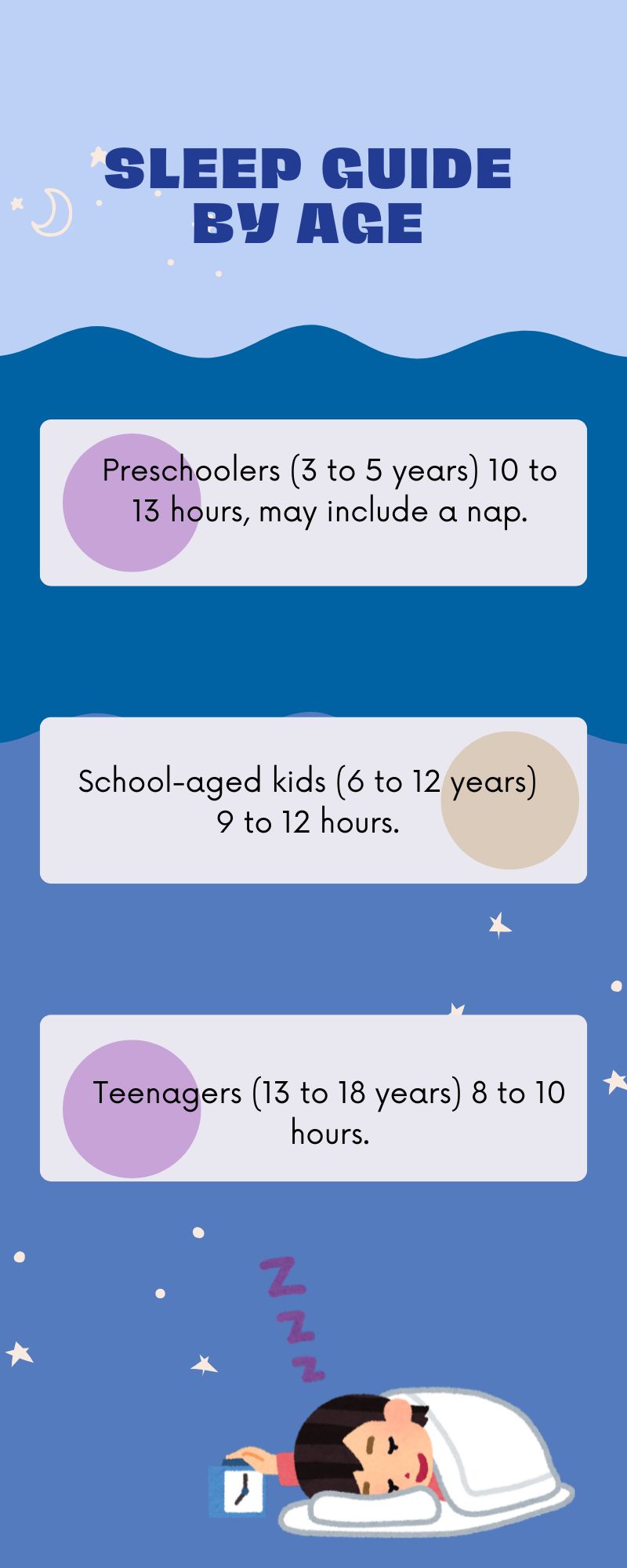
  • Practice getting to sleep early enough to rise in the morning. If your child has been enjoying the late night freedom, then now is the time to get them ready to go to bed early enough to get enough sleep. According to the American Academy of Sleep Medicine, the amount of sleep correlates with your child’s age. Sleep is an essential function to good health for everyone, but especially for school-aged children. We all know the cranky child that doesn’t get enough sleep, and loosing quality sleep can lead to unhealthy habits.
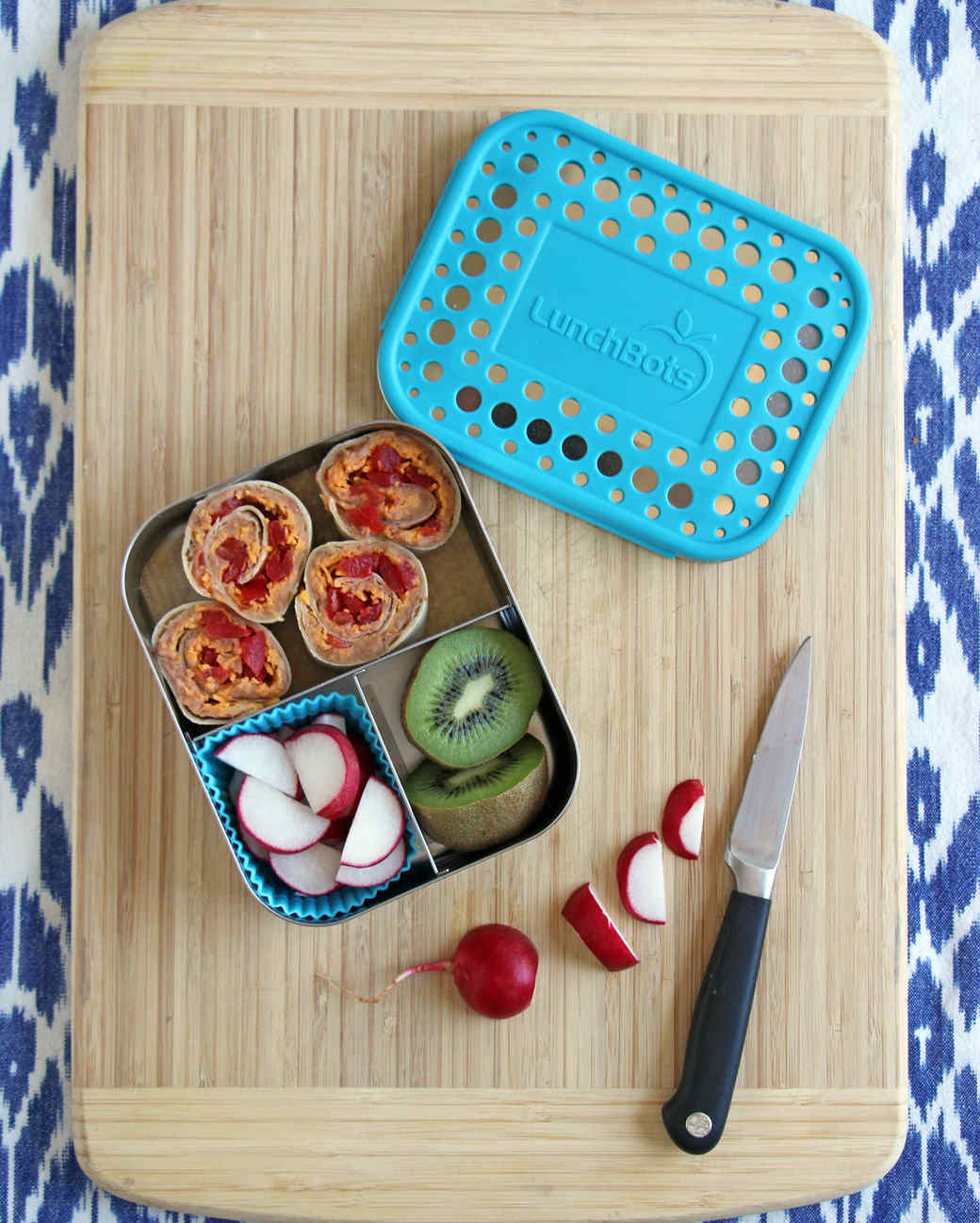
  • Decide on lunch plans. Most states offer free or reduced lunch for public schools. But if they don’t, or if your child refuses school lunches, then plan ahead what to pack for them. Most schools offer at least 30 minutes for lunch (not counting recess playtime), so packing a boxed lunch can be quite daunting. How can you make sure your child will eat enough of your packed lunch, not throw them away, and still have enough time to enjoy some fun before going back to class? One important thing to remember, as someone who has worked in the education industry for a long time, is to make sure your child knows how to open and close their lunch box. While staff would be available to help open packages and so forth, they’re most likely watching a large group of students at lunch and won’t necessarily have time to open your child’s lunch box. Find lunch boxes that are easy to snap open and close, or if all else fails, put their lunch items in brown paper bags. For fun and clever lunch ideas, check out Weelicious.

WHAT HAPPENS DURING SCHOOL TIME:

  • You’re sending your children to school, trusting them with adults at school, and hoping they learn and absorb all they can. You can’t always be at their school to watch them or help them so the best you can do is familiarize yourself with your child’s school. Get to know the school Principal, administrative staff, support staff, and of course, your child’s teacher or teachers. Let them know you are there to support your child’s school journey as well as support the teachers and school’s goals. My most important advice is to let your child’s teacher know that you can be cooperative and supportive throughout the school years. This makes a smoother and easier time for your child and teacher.

  • Depending on your child’s age and maturity, teach them how to handle difficult situations at school. While we all wish we can hide inside our child’s backpack to fight off any dangers that might arise, in reality, we can only depend on our child and the school administration to make good choices. Teach your children that bullying isn’t okay, regardless of who’s doing it. And teach them that it’s okay to speak to a school staff if they are being bullied or harassed in any way.

  • Understand how schools handle emergencies. School districts will have implemented policies for most emergencies, or at best, the individual school site will have their own emergency protocols. While schools don’t necessarily have to reveal when an emergency arises, they will do their best to protect everyone inside the school. You can always visit the school’s website, or contact the school administration (Principal or secretary) and see how they handle emergency situations such as possible fire or police activity. It is also a school requirement to practice emergency drills throughout the school year to better prepare the students.

  • Get familiar with homework and during school work. Not all students are fans of homework, nor are their parents. Homework is usually assigned if a student or class couldn’t complete the work during school hours. Or if a class or student need to practice a lesson or study for an upcoming quiz or test. Your school site or district should indicate how much homework is required by grade. Your child’s teacher will usually announce homework expectations in their class packets or during back to school days. Students taking advance courses such as Honors or AP (Advanced Placement) will require extra work to be done at home. These classes are usually taught to prepare students for college or higher learning. As long as your child knows the expectations and requirements for homework, they can stay on top of their school work and hopefully not fall behind.

DURING THE SCHOOL YEAR:

  • Now that you’ve gained a bit of understanding and preperation for back to school, continue with your best practices throughout the school year. Situations can change, but having plans ahead of time and knowing what to expect can help alleviate pains and frustrations.

  • Set realistic goals for your children. I’ve seen many students struggle with their school work, have bad attitudes, and just general non interest while in class. Are your children involved in too many after school activities? Are they staying up late struggling with homework? Or are they being pushed to be the top student in the school? When you set realistic goals and expectations, then your children will have a better chance to be a well-rounded person.

  • Participate or volunteer whenever possible. As a parent, or guardian, it’s crucial to know what happens at your child’s school. Some school Principals or administrators will send out newsletters or communication regarding school events, activities, and so forth. It’s important to know what extracurricular activities and events are offered at the school so that when your child asks, you are not registering them at the last minute and risk not getting accepted.

  • Check in with your child’s teachers throughout the school year. Most older students will already have a routine set up with their teachers or classes. This entails knowing what happens if they turn in homework or projects late, or who to turn to help for tutoring or extra lessons. But what if your child doesn’t normally reveal what happens at school? If you’re not checking in with your child or checking in with their teachers on occasion, then it can get difficult to get help when situations arise. Think of it this way – your child’s teachers are in charge of your child for at least 6 hours of the day. Teachers have huge responsibilities and have to be monitor their students everyday. Keep in touch with your child’s teachers by volunteering, donating when asked, and participating in school events and activities when possible.

  • Don’t be afraid to ask for help as a parent. Parenting can be tough, and being a child can be even tougher. Your children can be struggling in school or excel in every subject. I don’t know any parent who wishes to see their child struggle in school. We all want our children to learn as much as they can, grow as positively as possible, and become great individual adults. But if you’re also struggling to parent or find that life balance, don’t hesitate to get support. Support can come from your own family, your friends, school staff, co-workers, and professional counselors. If you are struggling somewhere, most likely your children will notice it too and it can also affect them.

I wish you all a happy, healthy, and prosperous school year!


Disclaimer: The product(s)were sent to the author for review by the manufacturer/PR. All reviews on “Happymomblogger” remain unbiased and unpaid and are the sole decision of the author. The opinions of these product(s) were not influenced in any way, shape, or form. As always, please read the ingredients carefully when trying new products.

Please read the labels and ingredients carefully and follow all manufacturer’s instructions (if any). The products selected for the giveaway were generously donated by the companies/PR to help readers learn more about their products. The winner’s choice in using/consuming these products are entirely up to the winner and will not hold the author and her family liable nor the companies/PR liable. These products are made with non-toxic ingredients but always be safe with what you use and consume.

http://www.topmommyblogs.com/blogs/in.php?id=storm


Easy Eco-Friendly Tips for School

One the most fun things about going back to school is shopping for school supplies. You walk into a Target or any other school supply store and there is a dazzling array of notebooks, pens, pencils, and school bags. You skip down every aisle and see all the new princess or Star Wars themed pencil cases showing off their bright gowns and galactic spaceships. You breathe in the fresh scent of newly pressed lined paper, and your fingers itch to touch the backpacks lined neatly up high on the shelves. Everything you see at the store is tempting and a true escapism to what every child in the world wish they could have.

But before you grab a handful of pencils and notebooks and rush down the lanes to stock up on lunch fixings and afterschool snacks, take a step back to think of what your student really needs for the new school year. One of the easiest ways is to check your school or school district’s School Supply List, which can be found on their websites. These supply lists are merely suggestions, and oftentimes they are to fill a classroom throughout the school year.

It’s tempting to want to buy your children a new backpack, new binders, and new clothes. Whether you’re on a tight budget or not, it’s essential to reuse what you already have to reduce excess waste that just clutter our landfills. Plus, oftentimes last year’s school items work perfectly well, even with a few scratches. If they’re completely un-reusable, then remember to take extra care of their new school supplies so they can reuse them the next school year.

Here are ideas for easy and eco-friendly habits for the school year:

– Reusing backpacks or school bags: most backpacks are well made to withstand many years of use. Check for zippers, pockets, and lining in your backpacks/school bags. There shouldn’t be any large holes on the bottom of your bags especially if your child carries a school computer inside it. Ease tough zippers by rubbing wax over them. Stitch up loose seams. And give the backpack a good cleaning before school starts.

– If you must buy new, try to invest in high quality products that can grow with your child: these will most likely last several years as long as your children don’t abuse them. For instance, a high quality backpack from North Face, or Adidas can last several years. Some brands will even replace and repair their backpacks at no charge. Other high quality items should include laptops, student desks, headphones or wireless earbuds, calculators, and bookshelves. Other everyday items should include stainless steel reusable water bottles, binders, and sturdy lunch containers.

– Clothes swap: do a clothes swap with friends and relatives of similar ages and sizes. Your kids are bound to outgrow their clothes when they’re young, so investing in more expensive clothing can get costly. Host a clothes swap with others to help reduce waste and to refresh your children’s clothes each year.

– Reusable items: we all know kids will inevitably break things. But we don’t have to keep buying new items for them each time something breaks. Invest in reusable items that wouldn’t mind a few dents and scratches, such as water bottles (see my Mermaid Straw water bottles for a special 15% off discount), binders, pencil cases, lunch bags, and lunch containers. The items should be made from recyclable materials such as stainless steel and silicone.

– Carpool/Walk to school: if you live within walking distance then by all means walk to school. Gather some friends/classmates and walk to school together. Walking daily or even a couple times a week builds a healthy body and reduces vehicle usage on the roads. In fact, living car-free can reduce your carbon footprint by up to 2 tons of CO2e per year compared to a lifestyle using a car.

– Bring your own food: that school cafeteria pizza might look tempting, but it’s not actually very healthy. School food is okay once in awhile, but consuming them every day of the entire school year isn’t a healthy choice. While some schools throughout the world seeks high quality, local, and fresh food for their students, most schools still rely on mass produced lunch items. If you have to rely on school meals, try to get their salads or check the lunch calendar to see what’s offered for lunch. You can always pack some healthy snacks for school and eat when you get home. Because school meals aren’t very appetizing (but only fill the need to eat), most foods get thrown away thus creating unnecessary waste.

– Buy in bulk: sometimes buying bulk items can be a blessing, while other times it can be wasteful. Buying bulk items that you need on a regular basis cuts down on trips to the market, and package waste such as plastic wrapping and multitude of boxes and containers. If you find a great deal but just won’t use all of the items, consider sharing them with others or create a co-op of grocery with friends and relatives.

– Make your own clothing/school items: this might be a challenge but making your own clothes can be fun, economical, and eco-friendly. You can use premade patterns sold online or at fabric stores, or you can create fun and unique t-shirts by adding embellishments on them. Another fun and eco-friendly DIY is making school bags and pencil holders with heavy and colorful fabric.

– Grow your own food: this is one of the easiest ways of reducing your carbon footprint and living a healthy lifestyle. Plus, you are in control of what you grow and eat at home. You can grow food easily in planters, raised bed, or straight in the ground with some good soil. Fast growing food include peas, radish, carrots, and greens such as spinach and kale. You can also “re-grow” food such as cabbages and onions by sitting their cut bottoms in shallow water. They’ll regrow fresh leaves and scapes that can be enjoyed on a daily basis. Get your kids involved by giving them their own garden area so they can learn and grow along with their plants. When you grow easy, seasonal food in your garden, you will never go hungry.

Read here for: 10 Ways to Get Kids to Enjoy Gardening.

This school year, invest in helping to keep our planet clean, our bodies healthy, and our minds sharp and strong.

* Please note that this post may contain affiliate links. Purchases made through the clickable links could provide affiliate commission.


Disclaimer: The product(s)were sent to the author for review by the manufacturer/PR. All reviews on “Happymomblogger” remain unbiased and unpaid and are the sole decision of the author. The opinions of these product(s) were not influenced in any way, shape, or form. As always, please read the ingredients carefully when trying new products.

Please read the labels and ingredients carefully and follow all manufacturer’s instructions (if any). The products selected for the giveaway were generously donated by the companies/PR to help readers learn more about their products. The winner’s choice in using/consuming these products are entirely up to the winner and will not hold the author and her family liable nor the companies/PR liable. These products are made with non-toxic ingredients but always be safe with what you use and consume.

http://www.topmommyblogs.com/blogs/in.php?id=storm
Easy-breezy, Eco-friendly Back to School

It’s that time of year again where kids are dreading going back to school, while parents are eagerly pushing them out the door. As parents we do what we can to help our children have a successful and valuable school life experience. Helping our kids make healthy life choices early on ensures they’ll take those important lessons with them into adulthood.

My son is starting high school and it’s bittersweet for me because soon we’ll be thinking about college applications. But I still try to teach him to make healthy habits that I hope he’ll carry into adulthood. I try to instill values of the importance of a healthy school life balance. That includes eating well, getting enough sleep, and doing things that limits stress. But admittedly, school has become extremely stressful for children over the years. Too much competition within schools, peers, and even homelife. When I’m too stressed, I harken back to my younger years living at home with my folks and remember the balance that my own mom tried to teach me.

I’m going to list some of my tried and true, and favorite back to school tips and hacks. I wish I had more time during the day to make lavish breakfasts and lunches for my teenager, but most days that just won’t work out. Being a parent is one of the toughest jobs in the Universe, and we can all pretty much agree that we want the best for our kids, no matter their ages.

SCHOOL VS. HOME:

  • To save time and money, try to reuse what you have. If their backpacks are still in great working order, doesn’t have ripped seams, and still have all the zippers and pockets in tack, then clean up the backpack and reuse it. Unless your child has really outgrown their backpack, reusing them from year to year is a great way to save money, time, and produce less waste in the landfill. If unable to reuse, you can always donate the backpack or do a trade with a friend.

  • To keep school work separate, give your kids their own work station. Create a box, crate, or cabinet just for their school work. This will help you and your child find things a lot easier. Rotate throughout the years with things you want to keep and toss.

  • Create a lunch station. This can easily be done in any household and will save you a lot of time in the morning. Depending on the ages of your children, gather snacks that are healthy, delicious, and easy to eat. See below for easy lunch station snacks and ideas.

  • Buy bulk when possible. Buying bulk helps reduce extra waste and saves time. But, buy only bulk items your family constantly uses. Separate the items into the lunch station and school work station.

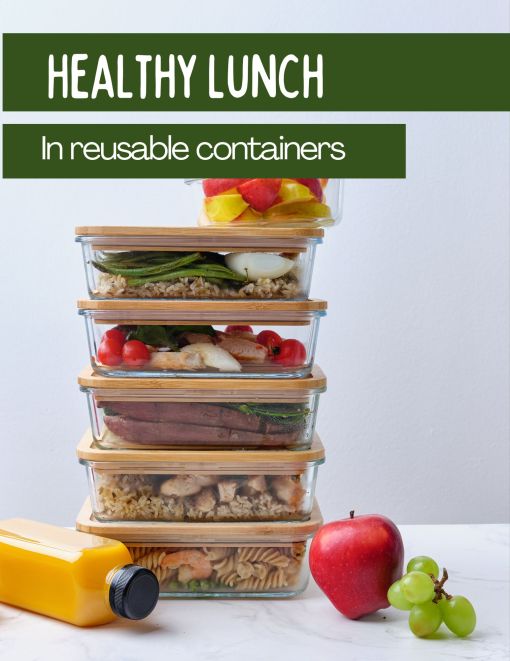
  • Healthy school lunches is crucial for maintaining your child’s energy throughout the day. Depending on their ages, children’s lunches should include a balanced meal, especially if they don’t eat breakfast. Some schools throughout the US offers free lunch but not all of them offer a healthy lunch. See below for healthy and delicious lunch ideas.

  • Create a winding down time before bedtime. The first couple of weeks of school can be exciting and stressful so setting a bedtime routine early will help your child get back on track. Turn off electronics at least one hour before bedtime, try not to drink any beverages at least one hour before bedtime, and take a soothing shower or bath before going to bed.

  • Have some wholesome and delicious afterschool snack. Kids are tired, grumpy, and most likely hungry after school, so having some snacks at home ensures they’re eating healthy while relaxing. See below for yummy afterschool snack ideas.

EASY, HEALTHY, AND DELICIOUS LUNCH AND SNACKS FOR KIDS:

Lunch from home should be quick, delicious, and healthy. Most students don’t have a lot of time to eat during lunch and recess because of the limited time for eating and playing. While you might be tempted (or insisted by your child) to pack conveniently bagged snacks you’d find in the supermarkets, they’re not all that healthy. It’s okay to include them once in awhile or limit to just one item in their lunch bag.

  • Yogurt squeeze – these yogurt squeezers or tubes are convenient and pack some needed nutrition and energy. They might not always be easy to open, so younger kids would need help opening them at school. Try to purchase yogurt squeezes that are low in sugar and fat as some brands hide the true value of nutrition by adding tons of sugar and artificial flavors and colors.

  • Cut or sliced fruits – fruits are nature’s best sugar so pack easy to eat ones such as grapes, sliced apples, sliced oranges, and berries such as strawberries, blueberries, and raspberries. Kids love to hold things in their hands so berries and sliced fruit are fun, delicious, and healthy!

  • Crackers and cheese snacks – choose whole wheat crackers and low sodium cheese. Cut cheese into cubes or thin slices so kids can make them into finger sandwiches if they want.

  • Yogurt Parfaits – a delicious, fun, and cute way of serving yogurt with fruit. Make it extra fancy by layering the yogurt, fruit, and any other toppings you have at home. Try these as a delicious after school snack for your kids.

  • Hummus and vegetables – these are great for school lunches or afterschool snacks. You can make homemade hummus or buy them at stores. Sliced vegetables such as carrots, radishes, and cucumbers pair well with hummus. Add fancier vegetables such as Haricot Verts, red and white carrots, asparagus, and endive for a special treat.

  • Hard-boiled eggs – most kids enjoy eggs whether they’re scrambled, fried, or hard boiled. Plus, they’re fun to peel and easy to eat. If you’re adding them to a school lunch, make sure you peel them first if your kids are little. This will save them time and frustration if they’re not used to peeling eggshells.

Try to avoid overly sugared lunch food. Kids will get that “sugar high” which isn’t beneficial to them or their teachers. Pack lunches that don’t spoil or keep an ice pack with their lunch containers. Be sure to pack them a reusable water bottle as schools should have a water refill station. Reusable utensils, and a sturdy lunch bag are necessary to create a safe and friendly environment for your child and everyone around them.

Best of luck for your school-aged children!

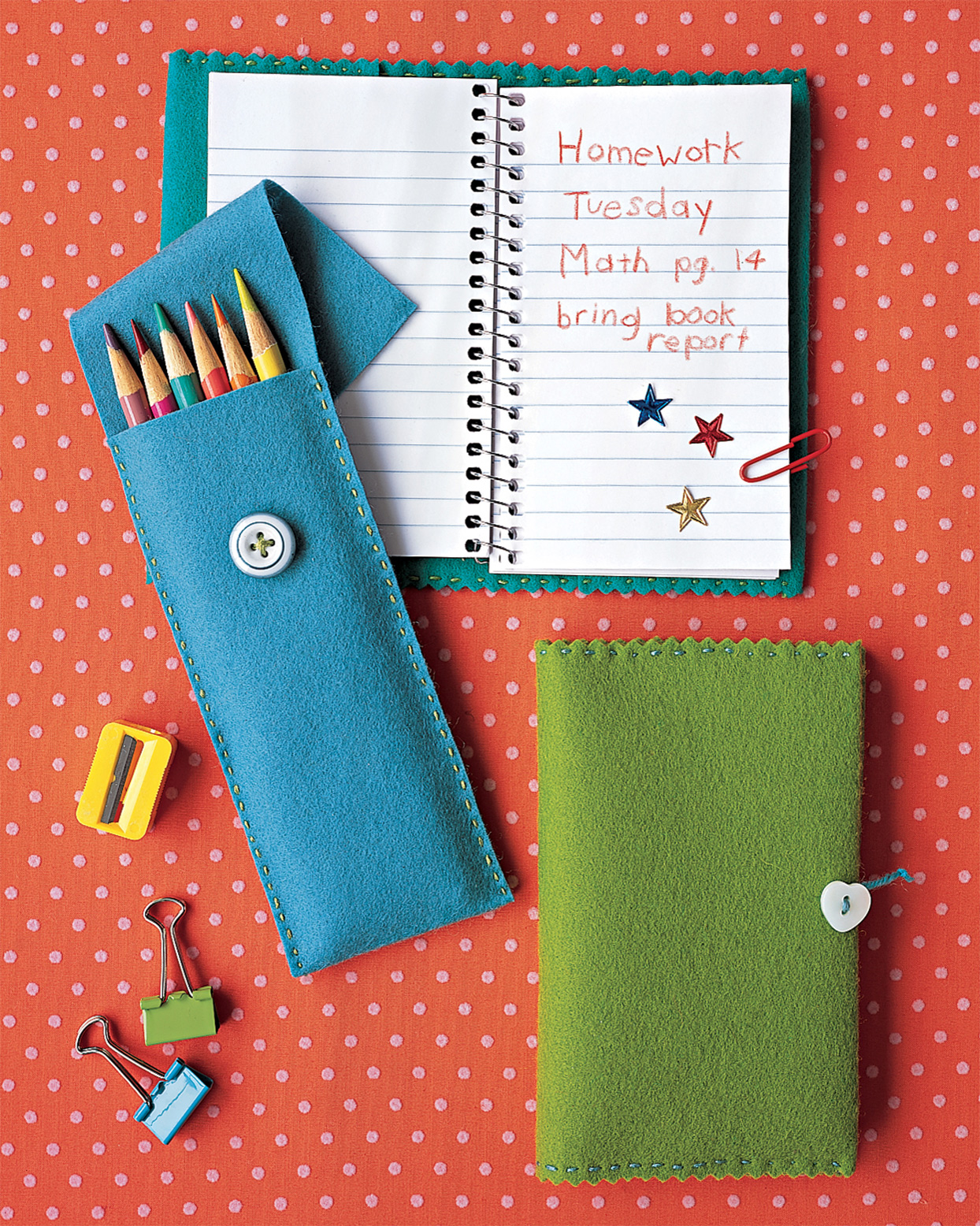
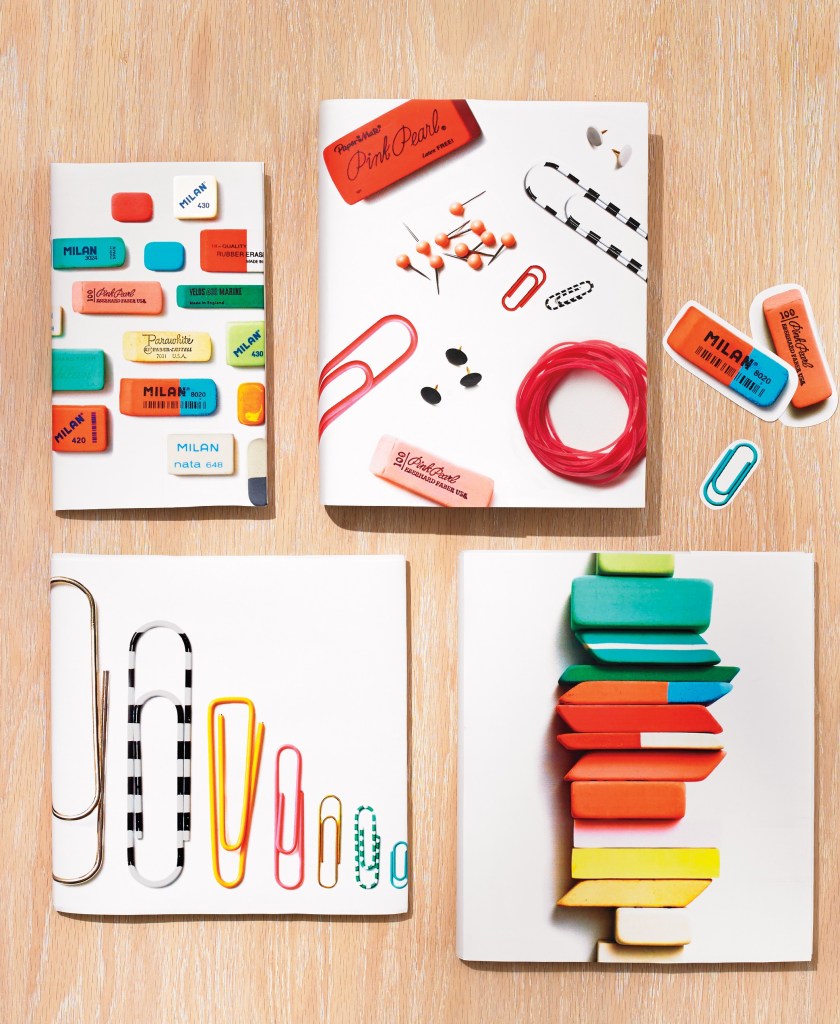
*photos courtesy of Martha Stewart Living

Disclaimer: The product(s)were sent to the author for review by the manufacturer/PR. All reviews on “Happymomblogger” remain unbiased and unpaid and are the sole decision of the author. The opinions of these product(s) were not influenced in any way, shape, or form. As always, please read the ingredients carefully when trying new products.

Please read the labels and ingredients carefully and follow all manufacturer’s instructions (if any). The products selected for the giveaway were generously donated by the companies/PR to help readers learn more about their products. The winner’s choice in using/consuming these products are entirely up to the winner and will not hold the author and her family liable nor the companies/PR liable. These products are made with non-toxic ingredients but always be safe with what you use and consume.

http://www.topmommyblogs.com


An Eco-Friendly Back-to-School


The first week of September was when my son started 100% online learning and I returned to work at my elementary school. I have to admit that, back in March when school campuses were closed and we went to distance learning, those months were a lot easier. There were hardly any homework and grading changed to credit or no credit. Now, with 2020-2021 school year starting off with online learning and grading is back to normal, it is becoming a huge learning curve for the both of us. But, just like life, we all have to learn to adjust. And I honestly believe that kids having to adjust to something this new and unusual will be a great learning lesson for them.

However, as the pandemic is still going around the US and other countries, convenience has also become the new norm. That is, the convenience of plastic bags, store bought chips and cookies in bulk, and dumping masks and gloves all over the streets, beaches, and parks. We still have to be responsible for the environment because we still need to be responsible adults (and children).

So how do we continue to care for the planet? I could give you tons of data and research on how oceans and landfills are overflowed with trash. But I think we all know that there are already tons of trash in our oceans and landfills. But if you do want to know the shocking and sad data, here are some very interesting info:

More than 8 MILLION TONS of plastic is dumped into our oceans every year! This number continues to grow because of how many single use plastic items are used in the US every year. Here are some of the top contributors:

500 Million
40 Billion
100 Billion
 100 Billion

Those are catastrophic numbers! And it’s no wonder that diseases and illnesses run rampant in certain areas of the world where trash is more prominent. But we can do something about it! And this year’s back to school is the perfect time to start if you haven’t already started to reduce your single-use plastic dependency. With most schools going online, you can still perform the following steps to live a life less plastic. There is really not much to lose when you reduce the intake of single-use plastics. Single-use plastics are plastic products that you use only once and throw away. Most of the times, these plastic entities end up in the landfill instead of properly recycled or sorted. We might even have high hopes that our careful recycling efforts are being met appropriately. But when our landfills are already filled up, we can see that our recycling efforts aren’t really being met. 

If you consider that in the US alone, every American sends 1,646.15 pounds of solid waste to landfills annually, that’s astronimically higher than the data from 20 years ago. Or even 5 years ago. It seems the trend to creating more waste only gets higher with big oil companies and the plastic industry making false claims to consumers. According to Scrap Metal, a materials collecting platform, the US generates nearly 7.3 billion pounds of PET containers and packaging every year, out of which only around 1.9 billion pounds are recovered for reclamation. And considering we live in a wasteful society, we must really do better for now and for the future.

I always say let’s start in our own homes and let’s teach our children, who are the future generations, to care more about what we buy, what we use, and what we support as a community. It’s easy to turn a blind eye to what we don’t see or hear about. It’s easy to just say,”well, that’s someone else’s problem.” And it’s easy to ignore the scientific data that is carefully researched and compiled every year. Consider that what we buy affects everything in our lives. Consider that what we eat affects our own health. And consider that what we do now will greatly affect our future generations. 

This year, let’s take some extra steps for back to school learning. The tips below can be beneficial for remote learning (online learning), on campus learning, and a hybrid learning sytem.

Tips for back-to-school eco-friendly style:

  • Make a list of school supplies that you need. Check off what you already have saved over from the previous year. There are many supplies you can reuse.

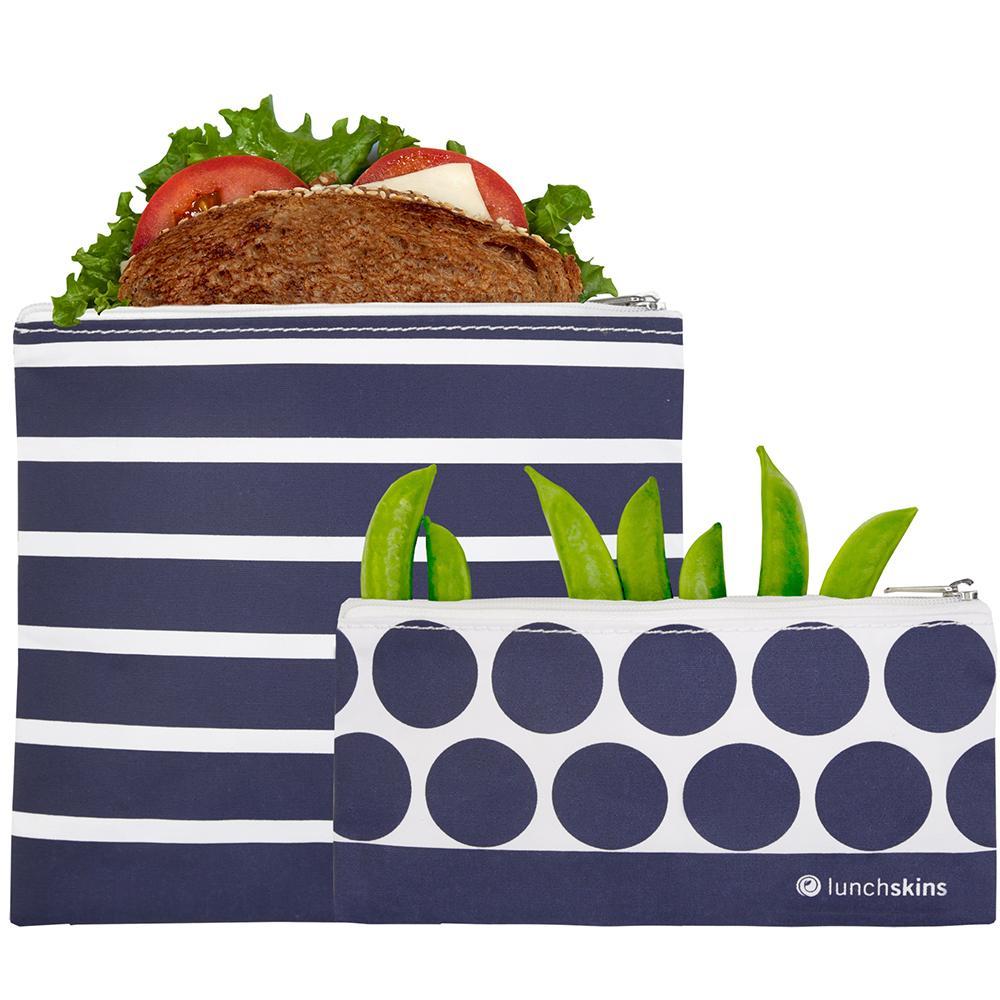
  • Buy quality supplies. Even if you’re trying to save money on supplies, buying generic, cheaper quality products will result in them breaking sooner and end up in the trash. Check out these wonderful companies that makes high quality products and gives back to the planet: www.plaineproducts.com, www.mermaidstraw.com, www.lunchskins.com

  • Buy a few high quality back to school clothes. Better materials and construction results in longer lasting wear.

  • Choose companies that give back to the planet. Look for labels such as: 1% for the PlanetBeauty without bunnies, Leaping Bunny, Plastic Pollution Coalition, and Certified B Corporation

  • Choose organically grown and made products. Certified organic ensures that the raw ingredients and materials are not treated with toxic chemicals or pesticides.

  • Buy locally whenever possible. This reduces your carbon footprint and helps with the circular economy.

  • Look to support environmentally and socially responsible companies. 

  • Don’t buy bulk when you don’t need to. We all want to save money and reduce waste, but unless you plan on using these bulk products right away or are donating them, they will likely end up forgotten or wasted.

  • Buy a few daily use resuable products. These include a glass or stainless steel resuable bottle, glass or stainless steel lunch container, reusable straws in glass, stainless steel, or bamboo, and reusable lunch bags.

  • Reduce your intake of conveniently made food. While at home, we can actually be more conscious of what we eat. Make fresh food and snacks to munch on throughout the day rather than depend on convenient snacks packaged in single-use plastics. Try fresh fruit, fresh sanwiches, and fresh veggies with healthier dips.

For more in-depth resources on the environment, data collecting, and everyday eco-living tips, be sure to check out Earth911.com’s website: https://earth911.com/

Hope you all have a very successful school year!

The New Norm of School – How We Adjust Helps Us Overcome the Difficulties

image

There once was a time when school-aged children would wake up groggily in the early morning only to get excited at the prospect of seeing their friends on their school’s playground. Even the knowledge of after school homework didn’t deter children from wanting to go to school. Now, with the global pandemic leaving all of us virtually defenseless, our children are left with very little options in the fall: return to school with the possibility of contracting the virus, 100% online learning, or a hybrid learning curriculum.

Gone are the days of sitting with their friends at lunch time or skipping on the blacktop while playing made-up games with their buddies. Now, with the fear of COVID-19 spreading to children, their families, and school staff, going back to school can look quite different this year. And depending on which state or country you live in, varying styles of back to school leaves us all scratching our heads on what is the best way to send our kids back. If you’re in one of the higher cases states, forget about going back to public school in person. These states just don’t want to risk anyone’s health.

So what can a family do at a time of crisis? Back in March, when we were all deciding on what to do with school admist the rising cases throughout the US, most school districts adopted a “crisis” learning where districts did not punish those who were having a hard time adjusting to suddenly learning everything online, instead of in a traditional classroom. As a mom, I have to tell you that the “crisis” learning was a huge adjustment. But now, just a couple weeks until school resumes, I find that crisis learning was probably a lot easier. Because now with the start of the new school year, our kids have to actually learn while staring at a computer all day and virtually interact with their teachers. This is going to be extremely difficult for those who have learning difficulties and those with several siblings near the same age. We as parents (and if you’re not already a teacher) have to basically monitor our children in front of their computers making sure they are actually paying attention and not falling off the grid. But what other choices do you have, really?

Like most parents, we all want our children to succeed in school and life in general. We want them to learn all that they can while at school and enrich themselves with new and interesting ideas and prospects. But when you’re stuck at home learning via a computer, kids just don’t get the same kind of excitement as they would on campus. It’s just how most kids are hardwired and how they’ve come to recognize as how a school environment should be. But, as a parent, the best we can do at the moment is to teach our kids to believe in themselves and that perhaps the hardest lesson in life is to… adjust. Yes, because while our kids are going to school at home, we also have to adjust to this new norm of school.

There are a couple of bright sides to this new norm of school. For one, you don’t have to worry about buying any new back-to-school clothes and supplies for awhile. And second, if you’re able to stay at home with your kids all day or work from home, you can visit your kids any time throughout the day. However you look upon to this new style of school, there are bound to be more positive aspects to staying at home. Rather than look for the downfalls or hindrances, we can find alternatives and make new strategies.

Below I’ve listed some easy transitions for back to school this school year. If your school district is waiting on the go-ahead for on campus learning, then you need to be extraordinarily prepared for when and if that happens. We know that eventually schools will resume on campus, but meanwhile, let’s make some positive steps to “home” schooling.

EMOTIONAL AND MENTAL WELL-BEING:

– Recognize the language. Oftentimes when asked how we are feeling, we might be inclined to answer simply with “fine” or “I’m okay.” But there could be underlying emotions and issues that we don’t know how to properly express or say out loud. Recognize that simple “I’m fine” answers could really mean:

  • I don’t know

  • Not fine

  • I don’t want to tell you

  • You don’t really want to listen

  • Leave me alone

  • Please ask me more

Just like we might check our temperatures to see our physical health, we also need to check our emotional health. Emotions can be so personal that we often do not wish to share them for fear that others don’t understand. Try some of these ideas when you are going through emotional stress:

  • Take a short walk and appreciate all around you

  • Step outside for a few moments where you can just be by yourself. Recognize that this is okay and you need a few moments to just regroup.

  • Close your eyes and take deep breaths. Breathe in and out slowly until you can calm yourself.

  • Speak to someone you can trust and let them know how you are feeling at the moment or have continuously felt.

  • If it’s difficult to speak to a loved one, then find professional resources such as your hospital, local clinic, or a school’s outreach center. Check with your school to see what they offer.

IN-PERSON SCHOOL LEARNING:

If you’re in a state or district where on-campus learning is allowed, then you’ll need to take further precautions.

  • Follow school guidelines for safety – both personal and physical

  • Schools should follow their state’s guidelines for physical distance learning. For example, desks are spaced accordingly apart, Personal Protection Equipments for staff and students, hand washing stations in designated areas, hand sanitizers when hand washing is unattainable, and temperature checks if necessary.

  • Remind children not to share food and school supplies with others.

  • Lunch and breaks are limited to grade level and whether indoors or outside.

  • Masks or face shields for students when necessary.

ONLINE SCHOOL LEARNING:

If you’re in a state or district where 100% online learning is necessary, then the following are some suggestions for learning at home.

  • Follow school guidelines for online learning. Your school should have already sent you a schedule for 100% online learning.

  • Get your technology equipment ASAP! The sooner you get a laptop or desktop, the better you can to familiarize yourself with your new equipment. If your school offers a rental, be sure to get it as soon as they are offering it.

  • Set aside a specific area for your home learners. Depending on the age and grade, students learn best when they are away from distractions such as TV, video games, and toys.

  • Take frequent breaks. Most schools would have a schedule that includes frequent breaks and at least half hour lunches.

  • Get your supplies ready. If your student requires textbooks, be sure to pick them up at your school when ready. You can always reuse your supplies from last school year such as pencils, coloring markers, erasers, notebooks, etc. For older students, their lessons will most likely occur to be completed online rather than on paper. But keep paper handy for taking notes, etc.

  • Get to know your teachers and school administrators (if possible). Your teachers are your number one source when it comes to getting answers to your questions. Get their contact info and be sure to keep their info ready.

  • Update your child’s data on your school’s website. The more info you input, including health info, the more you can help your school to provide and give pertinent information.

Regardless of where you’re at this school year, school will eventually resume to its normal routine. While 100% online learning can be a tremendous learning curve for both your child and yourself, know that teachers are going through similar feelings and emotions. Most teachers also have children in school, so while they have to teach your child, they still have to find ways for their own children to learn.

Let’s try to keep everything in perspective and not overact. It is easy to feel distressed or worried about how the new school season will be. Most school activities are on hold such as school sports as well as popular school programs. But that doesn’t mean you can’t do something at home or online. Check with your schools in regards to the school programs and if they are on hold, then find out when they will resume.

Take deep breaths, be kind to yourself, and know that it’s absolutely okay to feel frustrated at the beginning.

Hope you all have a great new school year!

*Resources taken from PYLUSD, Edmentum, and Parents magazine.


Disclaimer: The product(s)were sent to the author for review by the manufacturer/PR. All reviews on “Happymomblogger” remain unbiased and unpaid and are the sole decision of the author. The opinions of these product(s) were not influenced in any way, shape, or form. As always, please read the ingredients carefully when trying new products.

Please read the labels and ingredients carefully and follow all manufacturer’s instructions (if any). The products selected for the giveaway were generously donated by the companies/PR to help readers learn more about their products. The winner’s choice in using/consuming these products are entirely up to the winner and will not hold the author and her family liable nor the companies/PR liable. These products are made with non-toxic ingredients but always be safe with what you use and consume.

http://www.topmommyblogs.com/blogs/in.php?id=storm


Detoxing Kids For Back-to-School Success!

School season is upon us and for some of us around the country, school has already started! Whether or not your kids are ready to get back to school, there are some important things to remember before the school year starts, and that’s detoxing our kids.

What do you think about when you hear the word, “detox”? Alcohol? Late night snacking? Or video gaming? If you have school-aged kids, you probably wholeheartedly agree with me about the video game part. Kids need as much “detoxing” as adults do when they’ve been immersed into activities and situations that can harm them later. While not as extreme as it can be for a grownup, kids need downtime to get back to a regular routine for school.

Back to school can be a stressful time for kids, no matter the age. Their sense of freedom and self-reliance that they experienced during summer may seem to suddenly disappear once school starts. But school time is actually the best time to teach children about independence and self assurance. We all want our kids to succeed so getting them prepped ahead of time for a big event such as the start of school, is important in preventing meltdowns and arguments. One of the best ways of getting kids ready for the school year is helping them detox from all the non-stop action during summer. Though summer can be a fun time for kids, it could also be stressful for parents who worry what to do with their kids while they’re at work. Therefore, summer detoxing can help both parents and children.

  • Reduce Anxiety – school anxiety might be one of the biggest concerns for children. Depending on the age, children worry about all sorts of things before school starts. In this day and age, society expects a lot more from children than years before. This transfers to parents expecting more as well as school administrators. Help reduce school anxiety by following these steps at Parents.com.

  • Have a Morning Routine – getting your kids ready for school in the morning can be easy or herculean. But setting a routine for school days is important for both kids and parents. Just as adults have their own routine set for going to work or going about their day, kids need the same set of routine so that they have one less thing to worry about. Parents.com provides some great tips here.

  • Have a Nighttime Routine – just as important as a morning routine, so is a nighttime routine. Kids of any age would love to challenge you in how long they get to stay up at night. But studies show that school-aged children need the proper amount of sleep for proper brain and body growth. Plus, who wants a groggy and tired kid in the morning when you’re trying to hustle them out the front door?

  • Set Up a Homework Station – students as young as kindergarten are starting to get homework. Yeah, crazy right? We are in a society where success is highly measured and the education system is pushing students to learn as much as they can and teachers to cram as much info as they’re told to do. So help prevent homework anxiety by setting up a homework station for your kids. The station helps keep school supplies organized and easy to reach. Keep the station at a visible area so kids can go to it easily. Rotate the supplies throughout the year based on needs and desires by the kids and teachers.

  • Set Playtime Limits – play time is just as important for children as school. We live in a world where we can play with practically anything. And depending on the household, technology seems to be a major playtime factor for children. But too much screen time can actually harm children. Set time limits on your child’s screen time but be sure to include extra time for schools that require computer access. Get your rules set early and way before school starts so they know what to expect and can transition to optimal learning opportunities. For some great tips, read the article here at Greatschools.org.

  • Early Learning – if you gave your child tasks to read or learn math during the summer, than kudos to you! Kids can have anxiety about their teachers and what they’re learning in their class(es). If you want to prevent the “summer gap”, then get your kids some reading material and help them study up on what they’re going to learn in their new grade. Being prepared is never a bad thing and the more your students know what to expect in their new grade, the more confident they will be during the first few weeks of school.

  • Healthy Food – if summer time was meant for snacking throughout the day or having carefree meal times, then now is the best time to get your kids back to a healthier eating routine. Healthy food such as fruits and vegetables gives kids the best opportunity for learning. Their brains are fueled with the proper nutrition so that they can pay attention in class and won’t get overly tired by the time they get back home. Pack healthy snacks and lunches during school days and eat a healthy dinner as well. For some great lunch and snack ideas, check out Greatschools.org here.

It’s important to remember that every family situation is different but we all want our children to have a fun, safe, and successful school year. Getting kids ready for back to school shouldn’t be a hurdle that causes more stress. But it’s equally important to acknowledge that once school starts, it’s not too late to start a routine in your household. Use the tips from above and seek online help from experts. Talk to your kids about what you expect throughout the school year. Talk to their teachers and school administrators. And most importantly, set a guideline and routines that ease their minds knowing that you are there to love and support them no matter what.

For more info about getting ready for back to school, check out articles from:

Martha Stewart

Weelicious

Red Tricycle

Greatschools

Parents magazine

Happy back to school and best of luck for the school year!

Disclaimer: The product(s)were sent to the author for review by the manufacturer/PR. All reviews on “Happymomblogger” remain unbiased and unpaid and are the sole decision of the author. The opinions of these product(s) were not influenced in any way, shape, or form. As always, please read the ingredients carefully when trying new products.

Please read the labels and ingredients carefully and follow all manufacturer’s instructions (if any). The products selected for the giveaway were generously donated by the companies/PR to help readers learn more about their products. The winner’s choice in using/consuming these products are entirely up to the winner and will not hold the author and her family liable nor the companies/PR liable. These products are made with non-toxic ingredients but always be safe with what you use and consume.

http://www.topmommyblogs.com/blogs/in.php?id=storm