
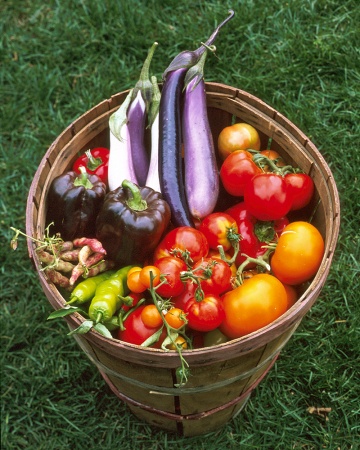
Each year, the Environmental Working Group (EWG) comes out with a detailed report on pesticide residue on the most popular produce items. It’s pretty sad to know that what we eat and buy most in the grocery stores – and what we feed our kids the most – is laden with heavily toxic pesticides. Ever since I read about the EWG’s goal to educate the public on the dangers of eating and buying non-organic foods, I’ve become extra diligent in buying fruits and vegetables for my family. Based on the U.S. Dept. of Agriculture and Food and Drug Administration data of most commonly grown produce in America, the EWG analyzes each of the produce below to give consumers a chance to make intelligent choices when buying produce. Not everyone has the resources to buy organic all the time ,but when it comes to the most popular produce you buy in your household, it’s best to stick with the organic versions. For those who are still a bit iffy about organic foods, know that in order to be labeled “organic” the USDA puts in strict guidelines for companies to follow. Tests are done on a scheduled and random basis for farmers and plants to ensure that the consumers in the US are actually getting an organically grown item. The term organic simply means, any organic produce and other ingredients are grown without the use of pesticides, synthetic fertilizers, sewage sludge, genetically modified organisms, or ionizing radiation. Animals that produce meat, poultry, eggs, and dairy products do not take antibiotics or growth hormones.
When shopping for these produce items, look for the USDA Organic seal and at best, shop at natural grocery stores who are dedicated in providing all if not most organic produce. But also be aware of farmers markets. Not all farmers markets sell organic produce. Some may sell produce that have not been sprayed with toxic pesticides but that doesn’t mean their soil and irrigation systems aren’t treated with toxic chemicals. Always ask the vendors at the farmers market whether their produce are organic and if not, how are their produce grown and treated.
Below is the newest list from the EWG and to download a guide to print out, click on the link: https://donate.ewg.org/images/2014_Shopper_Guide_to_Pesticides_in_Produce.pdf
All produce listed below are from most pesticide to least pesticide. So if your family tends to eat one fruit more than the other, be sure to take a look at the list first before deciding on which to buy. The general rule is if you eat more of it, then buying organically grown produce is worth it in the long run.

1 Apples

2 STRAWBERRIES

3 GRAPES
4 CELERY

5 PEACHES

6 SPINACH
7 SWEET BELL PEPPERS

8 NECTARINES – IMPORTED

9 CUCUMBERS

10 CHERRY TOMATOES

11 SNAP PEAS – IMPORTED

12 POTATOES

13 HOT PEPPERS

14 BLUEBERRIES – DOMESTIC

15 LETTUCE

16 KALE / COLLARD GREENS
17 PLUMS

18 CHERRIES

19 NECTARINES – DOMESTIC
20 PEARS

21 TANGERINES

22 CARROTS

23 BLUEBERRIES – IMPORTED

24 GREEN BEANS

25 WINTER SQUASH

26 SUMMER SQUASH

27 RASPBERRIES

28 BROCCOLI

29 SNAP PEAS – DOMESTIC

30 GREEN ONIONS

31 ORANGES

32 BANANAS

33 TOMATOES

34 WATERMELON

35 HONEYDEW MELONS

36 MUSHROOMS

37 SWEET POTATOES

38 CAULIFLOWER

39 CANTALOUPE

40 GRAPEFRUIT

41 EGGPLANT

42 KIWI

43 PAPAYAS

44 MANGOES

45 ASPARAGUS

46 ONIONS

47 SWEET PEAS – FROZEN

48 CABBAGE

49 PINEAPPLES

50 SWEET CORN

51 AVOCADOS
Disclaimer: The product(s)were sent to the author for review by the manufacturer/PR. All reviews on “Happymomblogger” remain unbiased and unpaid and are the sole decision of the author. The opinions of these product(s) were not influenced in any way, shape, or form. As always, please read the ingredients carefully when trying new products.
Please read the labels and ingredients carefully and follow all manufacturer’s instructions (if any). The products selected for the giveaway were generously donated by the companies/PR to help readers learn more about their products. The winner’s choice in using/consuming these products are entirely up to the winner and will not hold the author and her family liable nor the companies/PR liable. These products are made with non-toxic ingredients but always be safe with what you use and consume.


 Happymomblogger
This is a good list to keep when shopping. I do try to buy most of them organic when possible.
This is a GREAT list! Would you be interested in doing a guest post swap? We would love to have a post about healthy produce on the blog that I work for (not my person blog) over at nannytax.ca/blog