I’m Not Stressed, You’re Stressed! – Back to School Sanity Tips

Do you have a child that hates going back to school after a long, and relaxing summer? We’ve all been there, and it’s not because they’re no longer able to stay up late while channeling their nocturnal instincts, or having to rise up at the crack of dawn just to get ready. It’s because they need to go back to a regular school routine, and the daily grind of going to school can be dreadful and stressful to both child and parent.

For parents, going back to school can be just as stressful. You’re also getting up early with the kids, getting their breakfast ready, packing their lunch boxes, shuffling them to school, and going back to work or starting your day. While summer was the time to recoup and rest for the kids, getting them back to a regular routine is a task no one looks forward to.

But there is no need to stress this school year. Whether you’re a working parent, stay at home parent, or something in between, there are always ways to make the school year easier for everyone – including the teachers!

Tips For a Successful School Year:

  1. Routine is the key to a successful school year. Start schooltime routines as soon as kids are ready for school. Establish a regular routine that works for your family and practice it on a daily basis. Routine helps monitor behavioral and emotional changes that can occur as your children gets older. Be flexible in your routines, and allow adjustments throughout their school years.

  2. Communicate with teachers and school staff throughout the year. Depending on the age of your child, regular communication with their teachers helps prevent misunderstandings and lets teachers and admins know if there are issues that need to be addressed early. While your child’s teacher is your first line of contact, it’s good to establish a healthy relationship with the school Principal, secretary, and any other important adult figures at the school.

  3. Healthy habits established when your children are young helps them continue with these good choices later on. Healthy habits such as eating healthy food – including school snacks, healthy bedtime routine, and healthy minds, give children the best opportunities to learn and grow as students and individuals.

  4. Respecting self and others at school. No one likes a bully at school, and no one wants to be picked on by a bully either. Teach children to respect themselves and others while they’re at school. Schools around the world usually has some form of bully intolerance policy, but if not, make sure your children are aware of other students who might not have the mindset or ability to regulate their actions.

  5. Set aside a spending rule before school, during school, and summer break. Money can be a huge issue in many households. And depending on the age of your children, they might ask for clothes, toys, and the latest gadgets just to fit in with their classmates and friends. Establish a special school household budget during the school year so you can track what is necessary for a successful school year, and what could be a waste of money.

  6. Give grace to yourself and your children. Whether your children are just starting school, or heading off to college, everyone deserves to give themselves some grace. We are all doing the best we can to help our children become successful individuals. As parents, we can struggle with doing the right thing for our children versus doing what we need to do. Know that it’s not easy being a parent, just as it’s not easy being a school-aged child. Laugh, learn, and love yourself through the process.

  7. Understand homework reality. Depending on your state and school district, homework requirements vary by grade. Be aware of homework expectations from the teachers and reach out to teachers if homework gets overwhelming. Most schools have a set amount of homework expectation so refer to the school handbook for more info. Most teachers will assign additional homework along with any unfinished classwork.

  8. Extracurricular activities. We all want our children to succeed at school but also live a fulfilling life. But be mindful of too many afterschool activities that can interfere with their sleep habits, homework, and prepping for any class quizzes and tests.
  9. Friendships at school is important for social and emotional growth, but sometimes our children have a difficult time making and keeping friends. Depending on the age of your child, friends can be hard to establish and maintain throughout the school years. If your child is having a difficult time finding friends, try and communicate the reasons behind it and see if there are any bullying involved, if there are any activities during Recess and Lunch, and how they interact with other students in the same class.

  10. Seek help when possible. We all need some help during the school year, whether you’re a student, parent, or sibling. If you feel overwhelmed with school life and life at home, try and seek help from professionals or someone who can understand your problems. Don’t wait until stress exacerbates into something worse. Seek help whenever possible.

This school year, take time to look at the “big” picture and be prepared as much as possible.

Have a wonderful school year!


Disclaimer: The product(s)were sent to the author for review by the manufacturer/PR. All reviews on “Happymomblogger” remain unbiased and unpaid and are the sole decision of the author. The opinions of these product(s) were not influenced in any way, shape, or form. As always, please read the ingredients carefully when trying new products.

Please read the labels and ingredients carefully and follow all manufacturer’s instructions (if any). The products selected for the giveaway were generously donated by the companies/PR to help readers learn more about their products. The winner’s choice in using/consuming these products are entirely up to the winner and will not hold the author and her family liable nor the companies/PR liable. These products are made with non-toxic ingredients but always be safe with what you use and consume.

http://www.topmommyblogs.com/blogs/in.php?id=storm

Easy Eco-Friendly Tips for School

One the most fun things about going back to school is shopping for school supplies. You walk into a Target or any other school supply store and there is a dazzling array of notebooks, pens, pencils, and school bags. You skip down every aisle and see all the new princess or Star Wars themed pencil cases showing off their bright gowns and galactic spaceships. You breathe in the fresh scent of newly pressed lined paper, and your fingers itch to touch the backpacks lined neatly up high on the shelves. Everything you see at the store is tempting and a true escapism to what every child in the world wish they could have.

But before you grab a handful of pencils and notebooks and rush down the lanes to stock up on lunch fixings and afterschool snacks, take a step back to think of what your student really needs for the new school year. One of the easiest ways is to check your school or school district’s School Supply List, which can be found on their websites. These supply lists are merely suggestions, and oftentimes they are to fill a classroom throughout the school year.

It’s tempting to want to buy your children a new backpack, new binders, and new clothes. Whether you’re on a tight budget or not, it’s essential to reuse what you already have to reduce excess waste that just clutter our landfills. Plus, oftentimes last year’s school items work perfectly well, even with a few scratches. If they’re completely un-reusable, then remember to take extra care of their new school supplies so they can reuse them the next school year.

Here are ideas for easy and eco-friendly habits for the school year:

– Reusing backpacks or school bags: most backpacks are well made to withstand many years of use. Check for zippers, pockets, and lining in your backpacks/school bags. There shouldn’t be any large holes on the bottom of your bags especially if your child carries a school computer inside it. Ease tough zippers by rubbing wax over them. Stitch up loose seams. And give the backpack a good cleaning before school starts.

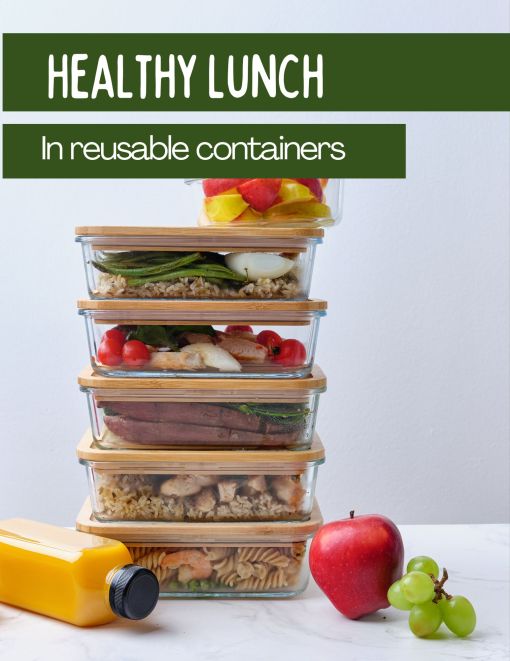
– If you must buy new, try to invest in high quality products that can grow with your child: these will most likely last several years as long as your children don’t abuse them. For instance, a high quality backpack from North Face, or Adidas can last several years. Some brands will even replace and repair their backpacks at no charge. Other high quality items should include laptops, student desks, headphones or wireless earbuds, calculators, and bookshelves. Other everyday items should include stainless steel reusable water bottles, binders, and sturdy lunch containers.

– Clothes swap: do a clothes swap with friends and relatives of similar ages and sizes. Your kids are bound to outgrow their clothes when they’re young, so investing in more expensive clothing can get costly. Host a clothes swap with others to help reduce waste and to refresh your children’s clothes each year.

– Reusable items: we all know kids will inevitably break things. But we don’t have to keep buying new items for them each time something breaks. Invest in reusable items that wouldn’t mind a few dents and scratches, such as water bottles (see my Mermaid Straw water bottles for a special 15% off discount), binders, pencil cases, lunch bags, and lunch containers. The items should be made from recyclable materials such as stainless steel and silicone.

– Carpool/Walk to school: if you live within walking distance then by all means walk to school. Gather some friends/classmates and walk to school together. Walking daily or even a couple times a week builds a healthy body and reduces vehicle usage on the roads. In fact, living car-free can reduce your carbon footprint by up to 2 tons of CO2e per year compared to a lifestyle using a car.

– Bring your own food: that school cafeteria pizza might look tempting, but it’s not actually very healthy. School food is okay once in awhile, but consuming them every day of the entire school year isn’t a healthy choice. While some schools throughout the world seeks high quality, local, and fresh food for their students, most schools still rely on mass produced lunch items. If you have to rely on school meals, try to get their salads or check the lunch calendar to see what’s offered for lunch. You can always pack some healthy snacks for school and eat when you get home. Because school meals aren’t very appetizing (but only fill the need to eat), most foods get thrown away thus creating unnecessary waste.

– Buy in bulk: sometimes buying bulk items can be a blessing, while other times it can be wasteful. Buying bulk items that you need on a regular basis cuts down on trips to the market, and package waste such as plastic wrapping and multitude of boxes and containers. If you find a great deal but just won’t use all of the items, consider sharing them with others or create a co-op of grocery with friends and relatives.

– Make your own clothing/school items: this might be a challenge but making your own clothes can be fun, economical, and eco-friendly. You can use premade patterns sold online or at fabric stores, or you can create fun and unique t-shirts by adding embellishments on them. Another fun and eco-friendly DIY is making school bags and pencil holders with heavy and colorful fabric.

– Grow your own food: this is one of the easiest ways of reducing your carbon footprint and living a healthy lifestyle. Plus, you are in control of what you grow and eat at home. You can grow food easily in planters, raised bed, or straight in the ground with some good soil. Fast growing food include peas, radish, carrots, and greens such as spinach and kale. You can also “re-grow” food such as cabbages and onions by sitting their cut bottoms in shallow water. They’ll regrow fresh leaves and scapes that can be enjoyed on a daily basis. Get your kids involved by giving them their own garden area so they can learn and grow along with their plants. When you grow easy, seasonal food in your garden, you will never go hungry.

Read here for: 10 Ways to Get Kids to Enjoy Gardening.

This school year, invest in helping to keep our planet clean, our bodies healthy, and our minds sharp and strong.

* Please note that this post may contain affiliate links. Purchases made through the clickable links could provide affiliate commission.


Disclaimer: The product(s)were sent to the author for review by the manufacturer/PR. All reviews on “Happymomblogger” remain unbiased and unpaid and are the sole decision of the author. The opinions of these product(s) were not influenced in any way, shape, or form. As always, please read the ingredients carefully when trying new products.

Please read the labels and ingredients carefully and follow all manufacturer’s instructions (if any). The products selected for the giveaway were generously donated by the companies/PR to help readers learn more about their products. The winner’s choice in using/consuming these products are entirely up to the winner and will not hold the author and her family liable nor the companies/PR liable. These products are made with non-toxic ingredients but always be safe with what you use and consume.
http://www.topmommyblogs.com/blogs/in.php?id=storm