Gearing Up for Back to School – Important Tips to Know

The screaming. The crying. The begging. No, it’s not your kids at a Taylor Swift concert, it’s them having to go back to school in a few weeks. With summer vacation just rounding up towards late August, some school districts are gearing up for your students to head back to class. Whether your child is getting ready for college or just starting their first year, being ready and prepped makes a successful and less tearful school year.

For some students going back to school after a summer full of late nights and endless playtime can be dreadful. No longer are they staying up late to chat with friends or hanging out all day at the mall or beach. Once school starts, it’s back to homework, early nights and mornings, and getting ready to pass quizzes and tests. But returning to school doesn’t have to be fearful if we help our children understand that school is a great place to learn and grow.

Before school starts, let’s look at some important tips to help your students succeed.

WHAT YOU NEED TO DO BEFORE THE SCHOOL YEAR STARTS:

  • It’s important to enter all the data requested by your child’s school. Most school districts offer an online student information system. If you’re already registered into the system, many schools require updated information such as immunization records, emergency contacts, and any changes from the previous school year. Updating and entering accurate info helps the school keep students data accurate and concise.

  • Start shopping for school items now. While some schools offer a school supply list, know that those are suggestions only and can vary by grade and teacher. At most, be prepared with a school backpack or school tote, lined or ruled papers, notebooks, pencils, calculator, and a folder or binder. Shopping early for the essentials can prevent last minute panic when stores have sold out most supplies by the end of August.

  • Decide on transportation. Depending on the age of your child – whether they can drive on their own or are too young to walk to school – plan ahead on who’s going to drop off and pick up your children from school. If you are doing the driving every day, then great! If not, arrange with friends, relatives, school bus transportation, and even a carpool group.

  • Get all of your immunization ready. Depending on what state or country you live in, schools require some kind of immunization before heading back into class. Be prepared to get the list from your child’s doctor or contact the school for an updated immunization requirement list. Most schools will not allow your child back to school until they’ve fulfilled the necessary immunization.

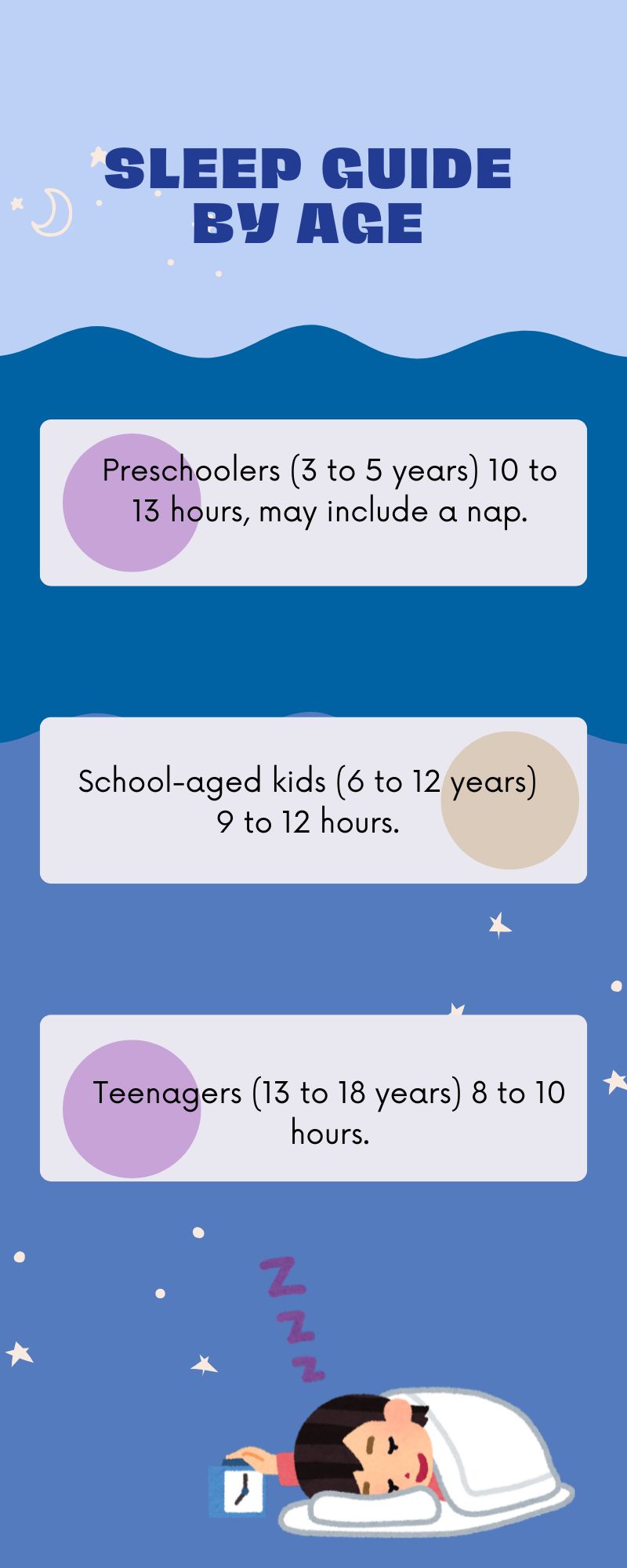
  • Practice getting to sleep early enough to rise in the morning. If your child has been enjoying the late night freedom, then now is the time to get them ready to go to bed early enough to get enough sleep. According to the American Academy of Sleep Medicine, the amount of sleep correlates with your child’s age. Sleep is an essential function to good health for everyone, but especially for school-aged children. We all know the cranky child that doesn’t get enough sleep, and loosing quality sleep can lead to unhealthy habits.
  • Decide on lunch plans. Most states offer free or reduced lunch for public schools. But if they don’t, or if your child refuses school lunches, then plan ahead what to pack for them. Most schools offer at least 30 minutes for lunch (not counting recess playtime), so packing a boxed lunch can be quite daunting. How can you make sure your child will eat enough of your packed lunch, not throw them away, and still have enough time to enjoy some fun before going back to class? One important thing to remember, as someone who has worked in the education industry for a long time, is to make sure your child knows how to open and close their lunch box. While staff would be available to help open packages and so forth, they’re most likely watching a large group of students at lunch and won’t necessarily have time to open your child’s lunch box. Find lunch boxes that are easy to snap open and close, or if all else fails, put their lunch items in brown paper bags. For fun and clever lunch ideas, check out Weelicious.

WHAT HAPPENS DURING SCHOOL TIME:

  • You’re sending your children to school, trusting them with adults at school, and hoping they learn and absorb all they can. You can’t always be at their school to watch them or help them so the best you can do is familiarize yourself with your child’s school. Get to know the school Principal, administrative staff, support staff, and of course, your child’s teacher or teachers. Let them know you are there to support your child’s school journey as well as support the teachers and school’s goals. My most important advice is to let your child’s teacher know that you can be cooperative and supportive throughout the school years. This makes a smoother and easier time for your child and teacher.

  • Depending on your child’s age and maturity, teach them how to handle difficult situations at school. While we all wish we can hide inside our child’s backpack to fight off any dangers that might arise, in reality, we can only depend on our child and the school administration to make good choices. Teach your children that bullying isn’t okay, regardless of who’s doing it. And teach them that it’s okay to speak to a school staff if they are being bullied or harassed in any way.

  • Understand how schools handle emergencies. School districts will have implemented policies for most emergencies, or at best, the individual school site will have their own emergency protocols. While schools don’t necessarily have to reveal when an emergency arises, they will do their best to protect everyone inside the school. You can always visit the school’s website, or contact the school administration (Principal or secretary) and see how they handle emergency situations such as possible fire or police activity. It is also a school requirement to practice emergency drills throughout the school year to better prepare the students.

  • Get familiar with homework and during school work. Not all students are fans of homework, nor are their parents. Homework is usually assigned if a student or class couldn’t complete the work during school hours. Or if a class or student need to practice a lesson or study for an upcoming quiz or test. Your school site or district should indicate how much homework is required by grade. Your child’s teacher will usually announce homework expectations in their class packets or during back to school days. Students taking advance courses such as Honors or AP (Advanced Placement) will require extra work to be done at home. These classes are usually taught to prepare students for college or higher learning. As long as your child knows the expectations and requirements for homework, they can stay on top of their school work and hopefully not fall behind.

DURING THE SCHOOL YEAR:

  • Now that you’ve gained a bit of understanding and preperation for back to school, continue with your best practices throughout the school year. Situations can change, but having plans ahead of time and knowing what to expect can help alleviate pains and frustrations.

  • Set realistic goals for your children. I’ve seen many students struggle with their school work, have bad attitudes, and just general non interest while in class. Are your children involved in too many after school activities? Are they staying up late struggling with homework? Or are they being pushed to be the top student in the school? When you set realistic goals and expectations, then your children will have a better chance to be a well-rounded person.

  • Participate or volunteer whenever possible. As a parent, or guardian, it’s crucial to know what happens at your child’s school. Some school Principals or administrators will send out newsletters or communication regarding school events, activities, and so forth. It’s important to know what extracurricular activities and events are offered at the school so that when your child asks, you are not registering them at the last minute and risk not getting accepted.

  • Check in with your child’s teachers throughout the school year. Most older students will already have a routine set up with their teachers or classes. This entails knowing what happens if they turn in homework or projects late, or who to turn to help for tutoring or extra lessons. But what if your child doesn’t normally reveal what happens at school? If you’re not checking in with your child or checking in with their teachers on occasion, then it can get difficult to get help when situations arise. Think of it this way – your child’s teachers are in charge of your child for at least 6 hours of the day. Teachers have huge responsibilities and have to be monitor their students everyday. Keep in touch with your child’s teachers by volunteering, donating when asked, and participating in school events and activities when possible.

  • Don’t be afraid to ask for help as a parent. Parenting can be tough, and being a child can be even tougher. Your children can be struggling in school or excel in every subject. I don’t know any parent who wishes to see their child struggle in school. We all want our children to learn as much as they can, grow as positively as possible, and become great individual adults. But if you’re also struggling to parent or find that life balance, don’t hesitate to get support. Support can come from your own family, your friends, school staff, co-workers, and professional counselors. If you are struggling somewhere, most likely your children will notice it too and it can also affect them.

I wish you all a happy, healthy, and prosperous school year!


Disclaimer: The product(s)were sent to the author for review by the manufacturer/PR. All reviews on “Happymomblogger” remain unbiased and unpaid and are the sole decision of the author. The opinions of these product(s) were not influenced in any way, shape, or form. As always, please read the ingredients carefully when trying new products.

Please read the labels and ingredients carefully and follow all manufacturer’s instructions (if any). The products selected for the giveaway were generously donated by the companies/PR to help readers learn more about their products. The winner’s choice in using/consuming these products are entirely up to the winner and will not hold the author and her family liable nor the companies/PR liable. These products are made with non-toxic ingredients but always be safe with what you use and consume.

http://www.topmommyblogs.com/blogs/in.php?id=storm


Eatin’ Clean in the Summertime

Is the weather driving you crazy over the summer? You’re either melting away from the scorching heat in one area, or suffering through severe storms in other areas.

It’s mid-July in California and we are right smack in the middle of a hot summer. However, right now is the best time to get your health on track before the busy school days start again in the fall. Fresh and seasonal fruits and vegetables are abundant at this time of year, and it’s a great opportunity to get important nutrients in your body. Typically around the months from May-August, the sweetest fruits and the crispiest vegetables are in season, and eating clean is a wonderful way to get your health back in gear.

In the west coast with the sweltering heat it can get difficult to cook a homemade meal. I’m not a fan of grilling outdoors or even cooking over a hot stove when it’s over 85 degrees. I don’t even try to plan meals during the summer because we’re either working, traveling, or getting ready for school. But one thing I try to keep on track is eating healthy. It doesn’t really matter what time of year or the season, because eating healthy helps keep my energy up and running. If I can dedicate just 5 meals in the week to eating healthy, I’m aligned to my personal health goals. It might not be easy to eat clean and healthy when you’re busy, but it’s crucial to maintaining a healthy lifestyle.

So what exactly does clean eating mean? Simply defined, clean eating is eating food that is unprocessed, preservative-free, and made with as few ingredients as possible. While many foods in the markets today are processed, the key is to avoid or limit overly processed foods as much as possible. Below are some steps to eating clean in the summertime and beyond. Keep track of what you eat in the summer so you can continue with a clean and healthy journey through all seasons.

Baked Falafel Sandwiches

5 steps to eating clean in the summer:

1- Buy fresh produce – organic and locally grown when possible. Fresh produce is the number one rule to eating clean and simple. Check out EWG’s Dirty Dozen and Clean Fifteen on the most and least toxic produce: https://www.ewg.org/foodnews/dirty-dozen.php

2- Buy whole grains and lean protein. Whole grains are still intact with all of their nutrients ensuring you’ll get all of the health benefits. Lean protein with little to no fat are not as taxing on your body when digesting and processing through your system.

3- Make meals and snacks from scratch at home. When you start with ingredients that you are in control of, you know what you’re putting in your food.

4- Use as few ingredients as possible. The risk of eating out or buying cooked food in stores is because of all the ingredients in there that companies need for flavor and preserving. When you make your own food, use just the basics – lean protein, vegetables, and seasonings that fit your lifestyle.

5- Limit sugar or cut it out entirely. While cutting out sugar entirely might be hard to do, try eating more fruits and using fruit-based sweeteners to sweeten your food.

Teach your children to eat clean and healthy:

1- Take your child to the grocery store with you. Let them start by learning about all the fresh produce that are available. If the stores have samples of the produce, encourage your child to try it out if it’s a fruit or vegetable that they typically don’t eat.

2- Depending on the age, have your child help you prepare the meals at home. Teach them and let them help you cut up from the fresh produce you just bought at the store. When children are involved in making meals from scratch, they feel a connection to the food they eat.

3- Serve up fresh fruits and cut them up in cute shapes if necessary. Mix it up once in awhile by including honey (for children over age 2) or plain yogurt for kids to dip their fruit in. Continue with this style of snacking so kids can learn to grab fresh fruits instead of an overly processed sugary snack.

4- Teach your kids to be mindful of what they eat. Don’t be distracted by the TV, tablet, or phone while you’re eating. Being mindful is an ancient practice to be more aware of what you are eating and how food should taste. It also helps with proper digestion of food.

5- Use simple recipes when it comes to teaching kids to eat clean. The less ingredients used, the more their taste buds can distinguish between processed food and food made with less ingredients.

6- Teach your children to read labels. If your child likes a certain store bought food, let them read the ingredient label as well as the labels on the packaging. If it’s a snack that isn’t all too healthy, let them see how many unpronounceable words there are in the ingredients list. You’d be surprised at their reactions to all the ingredients that they don’t recognize.

How to eat clean and healthy in restaurants:

1- If you can choose the restaurant, then choose one you regularly frequent. This way you already know what’s on the menu and how the restaurant and staff works.

2- If you know the name of the restaurant you’re attending (but you didn’t choose it), look at the menu online so you can get an idea of what’s available.

3- Get to know your server. The servers at restaurants are usually very accommodating. Peruse the menu first and ask the server ahead of time if they allow changes or alterations to the menu items. If they do, then know ahead of time what you’d like to order. If they don’t then just stick with the basics, such as a fresh salad, dressing on the side, and a fruit plate if it’s available. Then if the server brought out your dish accurately, be sure to tip well as they usually have to be specific with the chefs and food preps.

Whether you’re just starting to eat more clean or you’re a seasoned pro, remember to have a plan on how you want to eat clean. Make grocery lists, search online for ideas and tips such as mine, and have self control over what you eat.

Here’s to eating clean in the summer and beyond!

***photos courtesy of EWG, MarthaStewart.com, Pinterest

Disclaimer: The product(s)were sent to the author for review by the manufacturer/PR. All reviews on “Happymomblogger” remain unbiased and unpaid and are the sole decision of the author. The opinions of these product(s) were not influenced in any way, shape, or form. As always, please read the ingredients carefully when trying new products.

Please read the labels and ingredients carefully and follow all manufacturer’s instructions (if any). The products selected for the giveaway were generously donated by the companies/PR to help readers learn more about their products. The winner’s choice in using/consuming these products are entirely up to the winner and will not hold the author and her family liable nor the companies/PR liable. These products are made with non-toxic ingredients but always be safe with what you use and consume.

http://www.topmommyblogs.com/blogs/in.php?id=storm

I’m Not Stressed, You’re Stressed! – Back to School Sanity Tips

Do you have a child that hates going back to school after a long, and relaxing summer? We’ve all been there, and it’s not because they’re no longer able to stay up late while channeling their nocturnal instincts, or having to rise up at the crack of dawn just to get ready. It’s because they need to go back to a regular school routine, and the daily grind of going to school can be dreadful and stressful to both child and parent.

For parents, going back to school can be just as stressful. You’re also getting up early with the kids, getting their breakfast ready, packing their lunch boxes, shuffling them to school, and going back to work or starting your day. While summer was the time to recoup and rest for the kids, getting them back to a regular routine is a task no one looks forward to.

But there is no need to stress this school year. Whether you’re a working parent, stay at home parent, or something in between, there are always ways to make the school year easier for everyone – including the teachers!

Tips For a Successful School Year:

  1. Routine is the key to a successful school year. Start schooltime routines as soon as kids are ready for school. Establish a regular routine that works for your family and practice it on a daily basis. Routine helps monitor behavioral and emotional changes that can occur as your children gets older. Be flexible in your routines, and allow adjustments throughout their school years.

  2. Communicate with teachers and school staff throughout the year. Depending on the age of your child, regular communication with their teachers helps prevent misunderstandings and lets teachers and admins know if there are issues that need to be addressed early. While your child’s teacher is your first line of contact, it’s good to establish a healthy relationship with the school Principal, secretary, and any other important adult figures at the school.

  3. Healthy habits established when your children are young helps them continue with these good choices later on. Healthy habits such as eating healthy food – including school snacks, healthy bedtime routine, and healthy minds, give children the best opportunities to learn and grow as students and individuals.

  4. Respecting self and others at school. No one likes a bully at school, and no one wants to be picked on by a bully either. Teach children to respect themselves and others while they’re at school. Schools around the world usually has some form of bully intolerance policy, but if not, make sure your children are aware of other students who might not have the mindset or ability to regulate their actions.

  5. Set aside a spending rule before school, during school, and summer break. Money can be a huge issue in many households. And depending on the age of your children, they might ask for clothes, toys, and the latest gadgets just to fit in with their classmates and friends. Establish a special school household budget during the school year so you can track what is necessary for a successful school year, and what could be a waste of money.

  6. Give grace to yourself and your children. Whether your children are just starting school, or heading off to college, everyone deserves to give themselves some grace. We are all doing the best we can to help our children become successful individuals. As parents, we can struggle with doing the right thing for our children versus doing what we need to do. Know that it’s not easy being a parent, just as it’s not easy being a school-aged child. Laugh, learn, and love yourself through the process.

  7. Understand homework reality. Depending on your state and school district, homework requirements vary by grade. Be aware of homework expectations from the teachers and reach out to teachers if homework gets overwhelming. Most schools have a set amount of homework expectation so refer to the school handbook for more info. Most teachers will assign additional homework along with any unfinished classwork.

  8. Extracurricular activities. We all want our children to succeed at school but also live a fulfilling life. But be mindful of too many afterschool activities that can interfere with their sleep habits, homework, and prepping for any class quizzes and tests.
  9. Friendships at school is important for social and emotional growth, but sometimes our children have a difficult time making and keeping friends. Depending on the age of your child, friends can be hard to establish and maintain throughout the school years. If your child is having a difficult time finding friends, try and communicate the reasons behind it and see if there are any bullying involved, if there are any activities during Recess and Lunch, and how they interact with other students in the same class.

  10. Seek help when possible. We all need some help during the school year, whether you’re a student, parent, or sibling. If you feel overwhelmed with school life and life at home, try and seek help from professionals or someone who can understand your problems. Don’t wait until stress exacerbates into something worse. Seek help whenever possible.

This school year, take time to look at the “big” picture and be prepared as much as possible.

Have a wonderful school year!


Disclaimer: The product(s)were sent to the author for review by the manufacturer/PR. All reviews on “Happymomblogger” remain unbiased and unpaid and are the sole decision of the author. The opinions of these product(s) were not influenced in any way, shape, or form. As always, please read the ingredients carefully when trying new products.

Please read the labels and ingredients carefully and follow all manufacturer’s instructions (if any). The products selected for the giveaway were generously donated by the companies/PR to help readers learn more about their products. The winner’s choice in using/consuming these products are entirely up to the winner and will not hold the author and her family liable nor the companies/PR liable. These products are made with non-toxic ingredients but always be safe with what you use and consume.

http://www.topmommyblogs.com/blogs/in.php?id=storm

10 Important Skills Children Must Learn Before School Starts

Parenting is a thankless job. You might toil away hours of training, worrying, and go through all the stages of elation, wonder, and sadness. As parents we want the best for our kids, whether it’s giving them a head start with their education or buying the best clothes or making sure they eat healthily.

In the end, we just want our children to be happy, independent, and have a kind heart and soul. But besides teaching them important skills such as how to hold a fork or how to say thank you and please, we must also set great examples for our children. Our kids will inevitably learn from what they see and hear. If we model important, beneficial behaviors at home and outside the home, then we are teaching our children crucial first steps.

The new school year is starting soon and whether you are a parent who already has their act together, or a parent still scrambling to register their kids at school, know that we all face dilemmas before the first day of school. However, we can prepare ourselves and our children to have a successful, fun, and enlightened school year.

Before the start of the new school year, there are some important skills children should learn and practice. Certain skills teach kids to be independent thinkers and to learn the difference between right and wrong.

10 IMPORTANT SKILLS CHILDREN MUST LEARN BEFORE SCHOOL STARTS:

Collaboration Skills

One of the skills young children learn at school is how to get along with others. While that’s mostly taught at home in their early years, learning to collaborate, share, and getting along with other students is crucial to having a successful school year. Aside from developmental barriers, most students need to learn this important social skill while in school. If you feel you have a difficult time helping your child learn to collaborate with others, seek professional help before school starts or access the school district’s intervention programs, such as an IEP (Individualized Education Program), or something similar that’s offered.

Compassion

One of the most important facets of being a human being is feeling and expressing compassion. Compassion or empathy is an innate ability and most people are born with this character trait. For some it can come naturally, for others it must be taught and then nurtured. Developing compassionate skills require work for others, but it’s not impossible. Start by watching TV programs at home that fosters compassion and kindness. While outside of the home at a park or a grocery store, show your kids compassion by letting others go before you in line, or letting another child go down the slide first. Compassionate kids lead to a kinder world for everyone.

Respect Nature

Nature surrounds us in our everyday lives. When we are talking about nature, we are referring to the environment that includes animals, plants, and the ocean. It’s easy to pick up a pet at a pet store or an animal rescue. But teach and show your children that pets are not toys. Pets are living, breathing, little animals that rely on us to help them live happy and healthy lives…much like our own children. Same thing will be said for the plants we grow in our homes or see outdoors. The trees, flowers, even the vegetables we grow rely on human compassion and collaboration. And when it comes to the ocean or sea, we must teach our children to be respectful of the living things inside the sea. When we can respect nature, we can respect the environment at school and on school campuses.

Resourcefulness

I joke with my son that “back in the days” people had to be super resourceful. One couldn’t just easily go to the market and get a dozen eggs or drive down to the ice cream shop two cities away. While most people learn to become resourceful based on their own experiences, sometimes we have to teach our children this important life skill. Asks your kids what they would do if they couldn’t have their favorite foods all the time, or not understanding a certain subject at school. What would they do? Who could they turn to for help? And how do they use what they have learned? Teach your children your own ways of being resourceful by showing them various choices they can make and the outcome of those choices.

Consequences

One of the lessons I like to reiterate with the students at school is the consequences of our actions. A consequence can be good or bad, negative or positive. A consequence is the direct result of our action, whether it’s immediate or years down the line. Teach your children this important lesson before they start school. When children make bad choices and don’t learn to face their consequences, they may end up repeating these bad choices which will inevitably hurt not only others but themselves.

Conservative

Being conservative isn’t necessarily a hindrance. In fact, when we learn to reduce our usages and consume less, we are learning to be more resourceful. We live in a world of buy, buy, buy. The convenience of getting something online any time or day is an easy pitfall to get trapped in. When we teach our children to conserve our wants and needs that aren’t crucial to a healthy lifestyle, we are teaching them to reduce the need for wanting things they don’t truly need. During their school years, you will most likely buy endless supplies of lined paper, tissue boxes, pencils, and anything else the school or teachers require. But easy ways to conserve would be to reuse what you already have especially if the items aren’t damaged or broken.

Be Kind to our Planet

Whether your kids are young or older, we won’t always be there for them when they’re fully grown. Teaching your children to be kind to our planet helps them learn valuable lessons about taking care of their future. Climate change has affected everyone around the world. It might be a slow moving situation, but teaching our children to be more mindful of the environment can help prevent further damage to our planet. If you’re not already conserving energy by reducing plastic waste and consumption, then now is a great time to start with your family. Kids have the innate ability to want to be helpful. Give them opportunities to help the environment by using less plastic at home and at school, by reusing what you already have, and by walking to school with them or with a group of friends.

Independence 

The freedom to make our own choices can be quite enlightening. But just because we can choose our own path doesn’t always mean we know how to do it properly. When children are young, we are apt to keep eagle eyes on them, never letting them out of our sight for even a minute. While younger children benefit from the extra care and diligence of watchful parents, the older they become, the more they should learn to make their own choices. Independence breathes lives into making better choices down the road, and help us learn about the positive and negative consequences that might arise. When children are at school, they are mostly independent of their parents and rely on their teachers and school staff. But their teachers have to watch 30 or more children and can’t always keep your kids in check. Teaching your children to be independent thinkers give them chances to make great life choices.

Having their own Power

When our kids our younger, we tend to speak for our children or do things for them that they can do themselves. It’s the natural process of parenting because as they say, children don’t come with a handbook. Well, unless you count the ever popular “What to Expect” books. Parents are learning and navigating through the tricky current of parenting just as our kids are going through their own personal journeys. But kids also need to have their own power, their own voices. When they’re at school, they’re traversing through the tumultuous paths of friendship and not really knowing how to make and keep friends. By giving your children the power to have their own thoughts and voices, they can learn to speak up for themselves, defend their honor or the honor of others, and not be afraid to walk away from bad friendships.

Self-discovery

Wouldn’t it be awesome if we can all look into our future selves to avoid mistakes and hurtful people? We would wish that for our children too, if only to prevent them from getting hurt or damaged. Self-discovery is a journey to one’s own insight. We can all benefit from learning from our mistakes, learning from our past aggressions, and learning to make better choices. Teach your children to think before they might say something mean to another student or follow school bullies because they think they’re “cool”. Discovering one’s true self might take many, many years, and we are all still going through our own paths. But teaching our children to be their one self will greatly benefit them in their future.

Best of luck to your students starting school!!!

* Please note that this post may contain affiliate links. Purchases made through the clickable links could provide affiliate commission.

Disclaimer: The product(s)were sent to the author for review by the manufacturer/PR. All reviews on “Happymomblogger” remain unbiased and unpaid and are the sole decision of the author. The opinions of these product(s) were not influenced in any way, shape, or form. As always, please read the ingredients carefully when trying new products.

Please read the labels and ingredients carefully and follow all manufacturer’s instructions (if any). The products selected for the giveaway were generously donated by the companies/PR to help readers learn more about their products. The winner’s choice in using/consuming these products are entirely up to the winner and will not hold the author and her family liable nor the companies/PR liable. These products are made with non-toxic ingredients but always be safe with what you use and consume.

http://www.topmommyblogs.com/blogs/in.php?id=storm

The Kindness Gene – January Kindness Month

The one thing about getting older is the ability to look back and see what kind of person you’ve become. Were we nice as children? Did we play fairly with other children and hardly argued with our parents and siblings? Were we kind to our teachers and school administrators? Did we say thank you and please and truly appreciated the people who helped us? Were all of these behaviors and attitudes learned and taught to us, or was there an inherent gene somewhere in our body that told us to naturally be nice and gracious?

As the saying goes, “nature over nurture”, sometimes I wonder why a person is kind or compassionate to another. I’ve certainly met my share of unkind people in my life and I can guess that they were not treated kindly or fairly in their formative years. For children, the innate ability to see the world as it is also gives them the ability to be less judgmental. But as we grow older and live life through good and bad experiences, our attitudes change and our views of the world and people change as well. But that should not be the excuse to be cruel or hurtful. No one has a perfect life, but our choices truly can define us when we’re older.

January is national Kindness Month and schools around the country are encouraging students, staff, and families to take this month to show some kindness. Would it be so wonderful if people were kind all the time. But alas, we do our best regardless of how people treat us. At my school, we are hosting a Kindness Week in January with each day of the week highlighting and fostering kindness, inclusivity, and compassion. Perhaps you can try doing this at your children’s school or your workplace. There are some great non-profit organizations that help build and spread kindness during Kindness Month as well as year-round. Check out some ideas below to foster kindness in your own home and community!


  • The Random Acts of Kindness Foundation ( https://www.randomactsofkindness.org/) – a website full of wonderful, easy, and age-appropriate ideas for kids and adults. I’ve applied a lot of these ideas for school and work and they’re super easy and creative.
  • The Great Kindness Challenge (https://thegreatkindnesschallenge.com/) – fun and inspirational activities and ideas for all ages. You can also order some Kindness gifts on their website for gifts to students and teachers.
  • Donations to non-profit organizations. These organizations are similar to charities where your monetary or in-kind donations help them with fundraising, food for shelters, building maintenance, free health care, and so forth. 
  • Plant trees. Help plant trees at your local parks, schools, or national forests. Trees are incredible resources for providing oxygen, and the power to remove harmful gases like carbon dioxide making the air we breathe healthier. Always check with locations before planting trees on your own. To find a national park in your state, visit: https://www.nps.gov/findapark/index.html
  • Community cleanups. You can be a party of two or twenty if you want to help clean up your community and local beaches. Start small or join organizations like Keep America Beautiful (https://kab.org/) where you can find local chapters in your area. Join their groups or start your own. Cleaning up your neighborhood and community fosters a healthy and happier environment for all.

Do you have other ideas for promoting kindness and compassion? All it takes is one kind act, and a ripple effect will take place.

Disclaimer: The product(s)were sent to the author for review by the manufacturer/PR. All reviews on “Happymomblogger” remain unbiased and unpaid and are the sole decision of the author. The opinions of these product(s) were not influenced in any way, shape, or form. As always, please read the ingredients carefully when trying new products.

Please read the labels and ingredients carefully and follow all manufacturer’s instructions (if any). The products selected for the giveaway were generously donated by the companies/PR to help readers learn more about their products. The winner’s choice in using/consuming these products are entirely up to the winner and will not hold the author and her family liable nor the companies/PR liable. These products are made with non-toxic ingredients but always be safe with what you use and consume.

http://www.topmommyblogs.com/blogs/in.php?id=storm

Embracing the Grown Up Child – How to Survive a Brand New Teenager

As I sit here writing this article about the pains of dealing with a growing child, I can just hear my son say, “uh, mom, I’m NOT a child”. Well, sorry to spoil it for you kid, but you are a child and you’ll forever be my child no matter how old you are.

Kids are notorious for telling you what to do. What you did wrong. What you didn’t do. All these facets come into play once you become a parent. But when your child grows steadily into the teenage years, all those declarations of self importance become even more apparent – that you have now entered the emotional, turbulence teenage voyage into adulthood. I say this with a lot of love and endearment, that there’s no one who can test your patience more than your own child. You don’t have to be a Saint to embrace the grown up child, but you should be warned to start diligently placing your patience and tolerance into a box for the times you have to put them to good use on your teenager.

Before I became a mom I was a loving and patient aunt to my nieces and nephews. I love them dearly but I could also easily give them back to their parents. I’d like to think though that watching my nieces and nephews grow up actually helped me as a mom. But I am probably kidding myself or wish it was so. When you’re a parent to your own children every facet of patience and tolerance as an aunt or uncle flew out the window.

As my son entered his early teenage years, I watched and listened to how he interacted with his friends and classmates. Was he kind? Does he get angry and impatient with his friends as I might with him at times? Is he a great friend and a great student? No matter how much I love him and discipline him, I always worry that my own impatience will wear on him. It’s not easy being a parent but I would assume it’s even harder being a child. And I oftentimes reflect to my own teenage years and how I had acted and treated my own parents.

I admit I wasn’t the most tolerable teenager. Some might say I was rebellious but those people didn’t understand I was just being independent. My parents raised my siblings and I to be independent thinkers and I strive to do that with my own child. And as most parents will come to realize – your child will most likely treat you the same way you treated your parents. Be it easy going and relaxed or a demon on Earth, the old adage of you becoming your parents reflect similarly to your own kids. Eventually they’ll become just like you, and that could either be a blessing or a curse.

But as parents, I think we can all pretty much agree that patience and fortitude are what keeps us from going crazy. We can love our kids to death one minute and the next their voices grate our ears like a 20,000 ton freight train. We can discipline them into perfect little A+ students or we can let them run free like the wayward wind. In the end, they will either appreciate what you did or tolerate your parenting skills until they leave the nest.

My son is currently a young teenager but he acts like a grumpy old man sometimes. And when my friends and siblings share stories, it’s incredibly funny how we have such similar instances. Are they ALL related to each other since their capricious moods are all alike? How did my sweet, kind, carefree toddler grow into an impatient, unpleasant, and grumpy teen? I can only cherish the times when he reverts back to the sweet, kind, and innocent child and hold onto those memories…

So I’ve developed some tolerance skills that I want to share with you. Sometimes I really pray they work. But eventually I hope my child has been listening to me all these years and take my lessons to him into adulthood. And if he has his own children some day, I hope he remembers his own grumpy teenage years.

How to survive a brand new teenager:

  • Try to resist yelling at them. If that doesn’t work, yell at them anyway and hope for the best.

  • Try to give them some independence. You’ll be glad that once they can drive they’ll leave you alone for a couple of hours.

  • Once they do have their license and can drive, make them pick up all the last minute stuff that you inadvertently “forgot”.

  • Make them do ten loads of laundry a day that you’ve been doing since they were born. It’ll teach them great hands, arms, and legs coordination.

  • Don’t let them make their own mistakes. Trust me – you’ll be the one fixing them. Instead, you make mistakes and let them fix yours.

  • Find a great therapist. Either you, your spouse, or your kids will eventually need them.

  • Let them be who they are but be watchful. The quickest path to a yelling match is to not allow them self worth.

  • It’s okay to punish them. Tell them you’re doing it “because you love them”.

  • Learn to be on your phone for hours on end just like them. You might even enjoy this new hobby!

  • Ask them a question, then ignore them. This reverse psychology method will surely work, right?

In the end, we all want what’s best for our kids. But it takes a lot of growing pains for the parents and children while your kids are still developing and learning. So be sure to take some time for yourself. Read a book. Write a story. Languish at the pool. Because tomorrow the (arguing, ignoring, late nights, and insert your own action) will once again commence.


Disclaimer: The product(s)were sent to the author for review by the manufacturer/PR. All reviews on “Happymomblogger” remain unbiased and unpaid and are the sole decision of the author. The opinions of these product(s) were not influenced in any way, shape, or form. As always, please read the ingredients carefully when trying new products.

Please read the labels and ingredients carefully and follow all manufacturer’s instructions (if any). The products selected for the giveaway were generously donated by the companies/PR to help readers learn more about their products. The winner’s choice in using/consuming these products are entirely up to the winner and will not hold the author and her family liable nor the companies/PR liable. These products are made with non-toxic ingredients but always be safe with what you use and consume.

http://www.topmommyblogs.com/blogs/in.php?id=storm