10 Important Skills Children Must Learn Before School Starts

Parenting is a thankless job. You might toil away hours of training, worrying, and go through all the stages of elation, wonder, and sadness. As parents we want the best for our kids, whether it’s giving them a head start with their education or buying the best clothes or making sure they eat healthily.

In the end, we just want our children to be happy, independent, and have a kind heart and soul. But besides teaching them important skills such as how to hold a fork or how to say thank you and please, we must also set great examples for our children. Our kids will inevitably learn from what they see and hear. If we model important, beneficial behaviors at home and outside the home, then we are teaching our children crucial first steps.

The new school year is starting soon and whether you are a parent who already has their act together, or a parent still scrambling to register their kids at school, know that we all face dilemmas before the first day of school. However, we can prepare ourselves and our children to have a successful, fun, and enlightened school year.

Before the start of the new school year, there are some important skills children should learn and practice. Certain skills teach kids to be independent thinkers and to learn the difference between right and wrong.

10 IMPORTANT SKILLS CHILDREN MUST LEARN BEFORE SCHOOL STARTS:

Collaboration Skills

One of the skills young children learn at school is how to get along with others. While that’s mostly taught at home in their early years, learning to collaborate, share, and getting along with other students is crucial to having a successful school year. Aside from developmental barriers, most students need to learn this important social skill while in school. If you feel you have a difficult time helping your child learn to collaborate with others, seek professional help before school starts or access the school district’s intervention programs, such as an IEP (Individualized Education Program), or something similar that’s offered.

Compassion

One of the most important facets of being a human being is feeling and expressing compassion. Compassion or empathy is an innate ability and most people are born with this character trait. For some it can come naturally, for others it must be taught and then nurtured. Developing compassionate skills require work for others, but it’s not impossible. Start by watching TV programs at home that fosters compassion and kindness. While outside of the home at a park or a grocery store, show your kids compassion by letting others go before you in line, or letting another child go down the slide first. Compassionate kids lead to a kinder world for everyone.

Respect Nature

Nature surrounds us in our everyday lives. When we are talking about nature, we are referring to the environment that includes animals, plants, and the ocean. It’s easy to pick up a pet at a pet store or an animal rescue. But teach and show your children that pets are not toys. Pets are living, breathing, little animals that rely on us to help them live happy and healthy lives…much like our own children. Same thing will be said for the plants we grow in our homes or see outdoors. The trees, flowers, even the vegetables we grow rely on human compassion and collaboration. And when it comes to the ocean or sea, we must teach our children to be respectful of the living things inside the sea. When we can respect nature, we can respect the environment at school and on school campuses.

Resourcefulness

I joke with my son that “back in the days” people had to be super resourceful. One couldn’t just easily go to the market and get a dozen eggs or drive down to the ice cream shop two cities away. While most people learn to become resourceful based on their own experiences, sometimes we have to teach our children this important life skill. Asks your kids what they would do if they couldn’t have their favorite foods all the time, or not understanding a certain subject at school. What would they do? Who could they turn to for help? And how do they use what they have learned? Teach your children your own ways of being resourceful by showing them various choices they can make and the outcome of those choices.

Consequences

One of the lessons I like to reiterate with the students at school is the consequences of our actions. A consequence can be good or bad, negative or positive. A consequence is the direct result of our action, whether it’s immediate or years down the line. Teach your children this important lesson before they start school. When children make bad choices and don’t learn to face their consequences, they may end up repeating these bad choices which will inevitably hurt not only others but themselves.

Conservative

Being conservative isn’t necessarily a hindrance. In fact, when we learn to reduce our usages and consume less, we are learning to be more resourceful. We live in a world of buy, buy, buy. The convenience of getting something online any time or day is an easy pitfall to get trapped in. When we teach our children to conserve our wants and needs that aren’t crucial to a healthy lifestyle, we are teaching them to reduce the need for wanting things they don’t truly need. During their school years, you will most likely buy endless supplies of lined paper, tissue boxes, pencils, and anything else the school or teachers require. But easy ways to conserve would be to reuse what you already have especially if the items aren’t damaged or broken.

Be Kind to our Planet

Whether your kids are young or older, we won’t always be there for them when they’re fully grown. Teaching your children to be kind to our planet helps them learn valuable lessons about taking care of their future. Climate change has affected everyone around the world. It might be a slow moving situation, but teaching our children to be more mindful of the environment can help prevent further damage to our planet. If you’re not already conserving energy by reducing plastic waste and consumption, then now is a great time to start with your family. Kids have the innate ability to want to be helpful. Give them opportunities to help the environment by using less plastic at home and at school, by reusing what you already have, and by walking to school with them or with a group of friends.

Independence 

The freedom to make our own choices can be quite enlightening. But just because we can choose our own path doesn’t always mean we know how to do it properly. When children are young, we are apt to keep eagle eyes on them, never letting them out of our sight for even a minute. While younger children benefit from the extra care and diligence of watchful parents, the older they become, the more they should learn to make their own choices. Independence breathes lives into making better choices down the road, and help us learn about the positive and negative consequences that might arise. When children are at school, they are mostly independent of their parents and rely on their teachers and school staff. But their teachers have to watch 30 or more children and can’t always keep your kids in check. Teaching your children to be independent thinkers give them chances to make great life choices.

Having their own Power

When our kids our younger, we tend to speak for our children or do things for them that they can do themselves. It’s the natural process of parenting because as they say, children don’t come with a handbook. Well, unless you count the ever popular “What to Expect” books. Parents are learning and navigating through the tricky current of parenting just as our kids are going through their own personal journeys. But kids also need to have their own power, their own voices. When they’re at school, they’re traversing through the tumultuous paths of friendship and not really knowing how to make and keep friends. By giving your children the power to have their own thoughts and voices, they can learn to speak up for themselves, defend their honor or the honor of others, and not be afraid to walk away from bad friendships.

Self-discovery

Wouldn’t it be awesome if we can all look into our future selves to avoid mistakes and hurtful people? We would wish that for our children too, if only to prevent them from getting hurt or damaged. Self-discovery is a journey to one’s own insight. We can all benefit from learning from our mistakes, learning from our past aggressions, and learning to make better choices. Teach your children to think before they might say something mean to another student or follow school bullies because they think they’re “cool”. Discovering one’s true self might take many, many years, and we are all still going through our own paths. But teaching our children to be their one self will greatly benefit them in their future.

Best of luck to your students starting school!!!

* Please note that this post may contain affiliate links. Purchases made through the clickable links could provide affiliate commission.

Disclaimer: The product(s)were sent to the author for review by the manufacturer/PR. All reviews on “Happymomblogger” remain unbiased and unpaid and are the sole decision of the author. The opinions of these product(s) were not influenced in any way, shape, or form. As always, please read the ingredients carefully when trying new products.

Please read the labels and ingredients carefully and follow all manufacturer’s instructions (if any). The products selected for the giveaway were generously donated by the companies/PR to help readers learn more about their products. The winner’s choice in using/consuming these products are entirely up to the winner and will not hold the author and her family liable nor the companies/PR liable. These products are made with non-toxic ingredients but always be safe with what you use and consume.

http://www.topmommyblogs.com/blogs/in.php?id=storm

The Moms Group Trap

If you have school-aged children, then you might have inevitably joined the PTA, PTO, or some form of volunteer group. Much like a clique, these volunteer organizations vaguely hide behind the term “volunteer”. They’re more or less a social group of moms (and very rarely dads) who meet during the day and sometimes evenings to discuss the future of your children’s school activities. But they’re really not all that bad. While some form tight groups after years of being together, there are a few that are accepting of new blood. And when you do find the ones that open up their arms to you, take that initial step into their embrace and consider yourself lucky to be included.

I’ve worked in the education system for many years but only in the elementary area less than 8 years. When my son first started 1st grade, I was advised to join the school’s PTA – Parent Teacher Association – and be a Room Mom as quickly as possible. Heading the advice of my fellow mom friend, I did join the PTA and fortunately was also selected to be the room mom for my son’s 1st grade teacher. I can earnestly recall that while my experience as a room mom was fulfilling, my role as a PTA chairperson wasn’t so much. Even with a couple of friends who were in the same PTA, I felt shunned and ignored for the most part by the PTA Board. And sadly, after speaking with several other moms later on down the line, most of them were also left in the dust, desperately wanting to help the school in any way possible.

While my friends shared similar experiences as mine, I still had high hopes for the school’s PTA Board. The Board consisted of the President, VP, and head of the main branches and oddly, they were all friends because their children were all friends. From the perspective of a parent and not an employee of the school, I felt like an outcast amongst the group of mom friends. Surely their kids knew each other since birth and they all took vacations together (this I found out to actually be true later on!), and hosted lavish drinking parties on weekends like they were college roommates. They were like the old motto, “live together, die together” or something to that effect. And if you didn’t look like them, talk like them, and dress like them, then you’re not really part of the group. Fortunately my innate independent nature prevented me from feeling the need to push my way into the tight ladies group. I attended as many meetings as I could and helped out as much as I was “allowed” to. I say that with a heavy grain of salt because while I signed up to volunteer for other events aside from my own, I received only the obligatory emails sent to the general public. Little did I know, that some of us who weren’t already part of that group never received the more detailed messages about where to meet and when to meet to set up for the events.

If you’re like me and most moms who have also experienced the same nonchalant snubs from the PTA, then you probably have some interesting stories to tell. As I think back to the first years when I joined, I later on realized that perhaps the divide between those moms and myself was because I was both a school staff member and a PTA member. There were some pretty bad blood according to some resources between the PTA and the school staff. Unfortunately by default of association, I was reckoned to be snubbed due to my employee status. With that knowledge deftly put on the back burner, I didn’t begrudge those PTA moms. In fact, I felt bad for them and for their desperate need to cling onto something that gave them no joy or satisfaction. They only cared for status and fame and the titles of “President”, “Vice President” or “Secretary”. And while things still got taken care of, fundraisers raised money, and recognitions were made, the bad blood still carried throughout the years. Even as administration changed and PTA members came and went, the stigma of the PTA moms and school staff not getting along left a bad taste for me and many others.

Now that my son is no longer in elementary school, I still volunteer as a PTA Chair because I work at the school and I always want the best for those kids. As years went by and some of the remaining PTA members stayed on, they realized for the most part, that they did not have a good reputation. Why? Because of the bad blood, the exclusion, and the need to do everything within their little clique. New parents who were interested and enticed to join the PTA were left scratching their heads, wondering why they signed up when they never received invitations to volunteer at events. They paid their dues but that was it. Slowly, but surely, the PTA changed hands and mantras. Slowly new board members and chairpersons brought in new ideas and new attitudes. Were they all still accepting and inclusive? Probably not 100%. But that’s okay, because as a parent, you just want the best for your children. If you have to pay money for fundraising instead of showing up at events, then do that instead. Don’t be shamed for not helping out. Don’t feel shame for not having time to set up game booths or make posters. Some PTA’s pay for 60% of a school’s funding, and that’s quite a lot. In the end, as long as you’re able to donate some money to your child’s school’s PTA, then those funds will trickle into where they need to be. But if you’re still brave enough to join the PTA as a board member, chairperson, or just to help out, then I have some survival tips for you.

Now, years later after the old Board swept through the school like a swarm of locusts, the new PTA Board and members seem like a breath of fresh air. I don’t see as much cliques nor do I feel the PTA is exclusively picking out new members like a 5th grade soccer team. I always have high hopes for school clubs and organizations because in the end, we all want what’s best for our children, right?

Tips on How to Survive the PTA:

  • Join the PTA and pay the membership fee. Paying a membership fee helps get you signed up for events and the ability to vote if you’re on the Board.

  • You don’t have to be on the Board or the Committee to be a part of the PTA.

  • You can sign up to volunteer for as many or as little events as you want. But be realistic – if you sign up but never show up, then your name will be remembered – trust me, it has happened with pretty much all PTA’s. Sign up for the ones you know you can volunteer for.

  • Don’t be afraid to ask questions. If the PTA doesn’t answer your questions, reach out to the school Principal or Secretary.

  • Attend the General Association meetings if possible. These meetings highlight the upcoming school events and any additional info you won’t find elsewhere.

  • Reach out to the PTA President and Board. If they aren’t friendly or forthcoming and you truly want to help, then attend a general meeting and talk to them there.

  • Get to know at least one or two PTA members. You can share information and/or attend meetings together.

  • If you have previous experiences, then be sure to let PTA know so you can apply your skills. Even if the PTA doesn’t utilize your unique skills, it’s still good for them to know for any future events/clubs/activities.

  • Don’t take things too personally. If you’re turned off by the nonchalant attitudes but still want to help, reach out to the Committee Chairs. The Committee Chairs are heads of certain programs such as Jog-a-thon, Book Fairs, and Dining fundraisers, and any afterschool clubs. They might be easier to track down and speak with as they directly handle these programs.

  • If you don’t receive any communications from the PTA, make sure you’re actually signed up. Oftentimes parents think it’s the school’s job to post events hosted by the PTA. While most Principals do send out newsletters, make sure you actually joined the PTA and entered the necessary contact info online.

  • Don’t feel obligated to attend PTA functions outside of the normal school functions. While getting to know the other PTA members is a great idea, don’t feel you need to be at every single event.

  • When in doubt you can always try again next school year. Or if you want to make a positive impact, sign up as a Board member or join a Committee.

It shouldn’t matter if you have time to volunteer or not, work full time or part time, or even just too tired to do any extra volunteering. We all have our problems to deal with, and speaking from someone who has millions of projects going on, it can be a struggle volunteering your time year after year. Best of luck!


Disclaimer: The product(s)were sent to the author for review by the manufacturer/PR. All reviews on “Happymomblogger” remain unbiased and unpaid and are the sole decision of the author. The opinions of these product(s) were not influenced in any way, shape, or form. As always, please read the ingredients carefully when trying new products.

Please read the labels and ingredients carefully and follow all manufacturer’s instructions (if any). The products selected for the giveaway were generously donated by the companies/PR to help readers learn more about their products. The winner’s choice in using/consuming these products are entirely up to the winner and will not hold the author and her family liable nor the companies/PR liable. These products are made with non-toxic ingredients but always be safe with what you use and consume.

http://www.topmommyblogs.com


*photo courtesy of boston.com


We can accept your child now

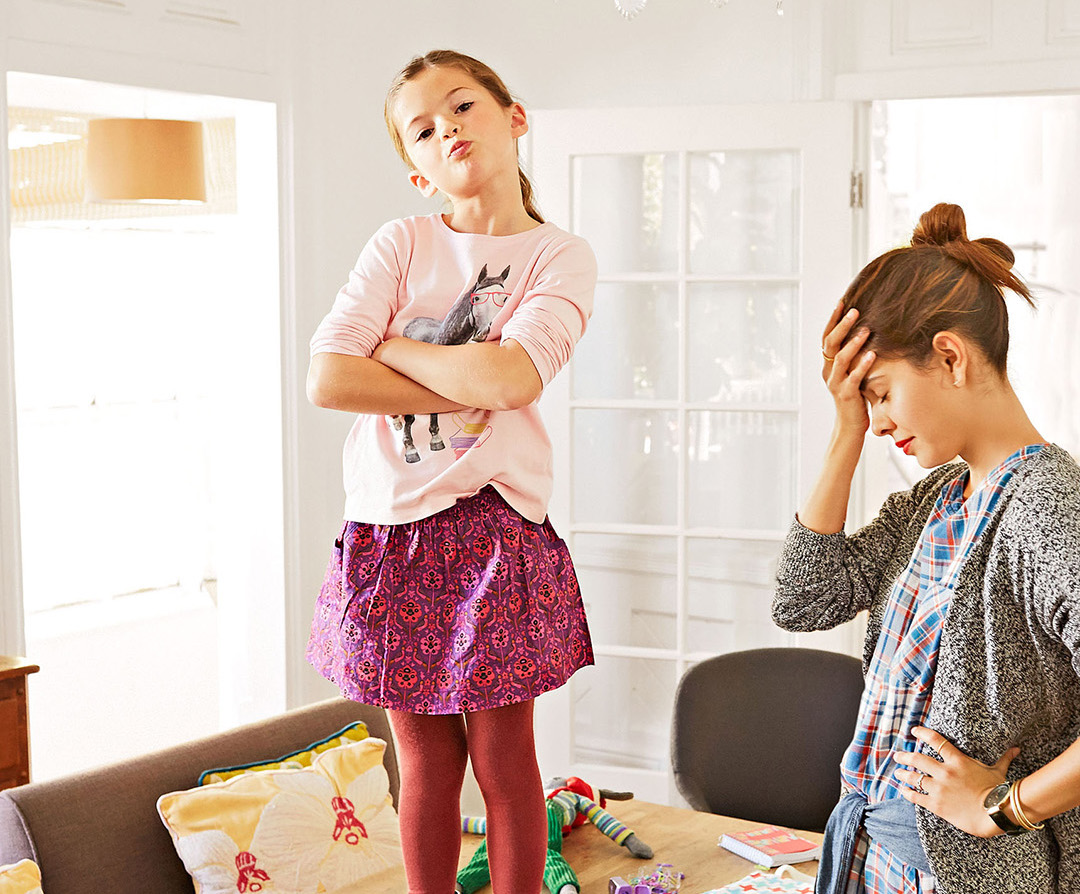
Has there ever been a time where you were judged, critized, and basically blamed for every tiny infraction as a mother? Is it not enough we judge ourselves and live in perpetual self-doubt? But what happens when other people – whether they know you or not – shake their heads when they feel you are not doing something right in their heads? It’s not easy being a parent, but being a mother carries far more weight than a father would.

Most people might agree that motherhood begins when the baby in your womb starts growing. The connection is almost instant for most women and after you feel that little kick in your stomach, your entire world aligns with the stars. Which is why when others start judging and critizing how moms should raise their own children, you realize that you live in a world of blame first; accept after.

I come from a family that is pretty accepting of me. While my own parents might have pushed me to go beyond my limits as they had with my siblings – the after effects of being Asian and living the stereotype – they were still able to let me be who I wanted to be, albeit some fighting and tears throughout the years. When I got pregnant with my son, after a miscarriage and more self-doubt, I heard practically every advice thrown at me. Most of them from other moms, but mostly enough where I really doubted whether being a mother was really worth it. Now, after many years of growing pains for both my son and I, I shudder to think how I could have ever doubted myself in the beginning. It hasn’t always been an easy and smooth road, but being a mother and parent will never be a dull job.

As I watch my son grow from a toddler to a preschooler to a pre-teen, I often reflect on why I listened so intently to other people’s advice. That old adage of not judging others lest you be judged yourself can come in handy whenever someone else criticizes how you should parent your own child. Goodness forbid they criticize your child in front of you! And as I parent my child through the joys and turmoils of our lives, I’ve come to appreciate my own mom even more. They say eventually you’ll become your own parent. While that may be a blessing for those who had GREAT parents, others might not see it as a benefit.

So what should we do when others deem it their personal responsibility to judge you for your motherhood? Etiquette leaders might tell you to just smile politely and accept their criticism. The more involuntary reaction might be to instantly oppose that judgment – and you have every right to since you are the parent – not the other person. But if these criticisms are done in front of your own children then you might need to take a step back and think how your answer will affect your child. They will see and hear your reaction and quite possibly learn from it and imitate the behavior later on.

During these uncertain times with the global pandemic, the intense climate fluctuations, police brutality brought to light, and ongoing injustices, being a parent is even harder than before. And now, with most states doing online distance learning, most parents have no other choice than to stay at home and monitor their children while learning through Zoom. And even moreso when you have children in similar age ranges, the chaotic lessons and keeping track of all their teachers can leave all of us wishing school wasn’t so hard. Essentially, we are attending school with our kids, making sure they are paying attention and doing their homework. But, it is a huge learning curve and the best we can do is adjust and grow.

Throughout the years I’ve learned as a mom, an educator, and a friend with kids close to my child’s age, that you’re going to undoubtedly get judged for who you are. Not everyone will accept you or your child. Not everyone will like what your children wears, how they talk, how they act, how they play, how they breathe. But I say to those who judge critically to please leave my child be. He might be odd at times, he might be angry, or he might be shy. But he is quintessentially my child and he will surely grow through all the awkardness and the self judgement as he gets older.

So, I’ll leave you with some tips I’ve learned throughout the years to combat “mom guilt”. We all feel guilty at times, but don’t let that guilt stem from someone else who judged you for packing only chips and cookies into your child’s lunch bag. We all falter here and there, and as long as we are doing the best for our children, who are others to judge? The most important thing is to show our children that as a mom, we can overcome the injustices that will surely rise in their own years.

  • Trust your heart. Look inside yourself and see how you are raising your child. If they are inevitably joyful and peaceful, then you’re doing great.

  • Trust your own instincts. I’ve learned to be in-tuned with my mind and soul at a very young age. And later on, when I needed it the most, my instincts have brought me out of a lot of scrapes and bruises.

  • Trust professionals. If you ever have doubts or just not sure of parenting tips, find professionals who have had years of training and clinical experience. Or search online for parenting advice sites. Finding unbiased advice can help you through your difficult decisions.

  • Listen to your children. You are their parent. You don’t have to listen to your family, relatives, friends, or even strangers on the street for advice. So often we forget to listen to what our own children need and want.

  • Tune out. Yes, you probably tell your own children to never tune you out. But that’s quite different from someone who is judging you or your child for something that they dislike for themselves.

  • Use words to prevent mom guilt. Remind yourself that you held that baby inside your stomach for 9 months. And you have been raising your child for all these years using your own talents and skills.

  • And most importantly – everyone is different. The sooner we all realize that, the sooner we can all be more accepting. *If anyone ever criticizes your child or you, say this very line to them.

*Photo credits to Parents magazine and RedTricycle.com


Disclaimer: The product(s)were sent to the author for review by the manufacturer/PR. All reviews on “Happymomblogger” remain unbiased and unpaid and are the sole decision of the author. The opinions of these product(s) were not influenced in any way, shape, or form. As always, please read the ingredients carefully when trying new products.

Please read the labels and ingredients carefully and follow all manufacturer’s instructions (if any). The products selected for the giveaway were generously donated by the companies/PR to help readers learn more about their products. The winner’s choice in using/consuming these products are entirely up to the winner and will not hold the author and her family liable nor the companies/PR liable. These products are made with non-toxic ingredients but always be safe with what you use and consume.

http://www.topmommyblogs.com/blogs/in.php?id=storm