What Is This Plastic Trickery?


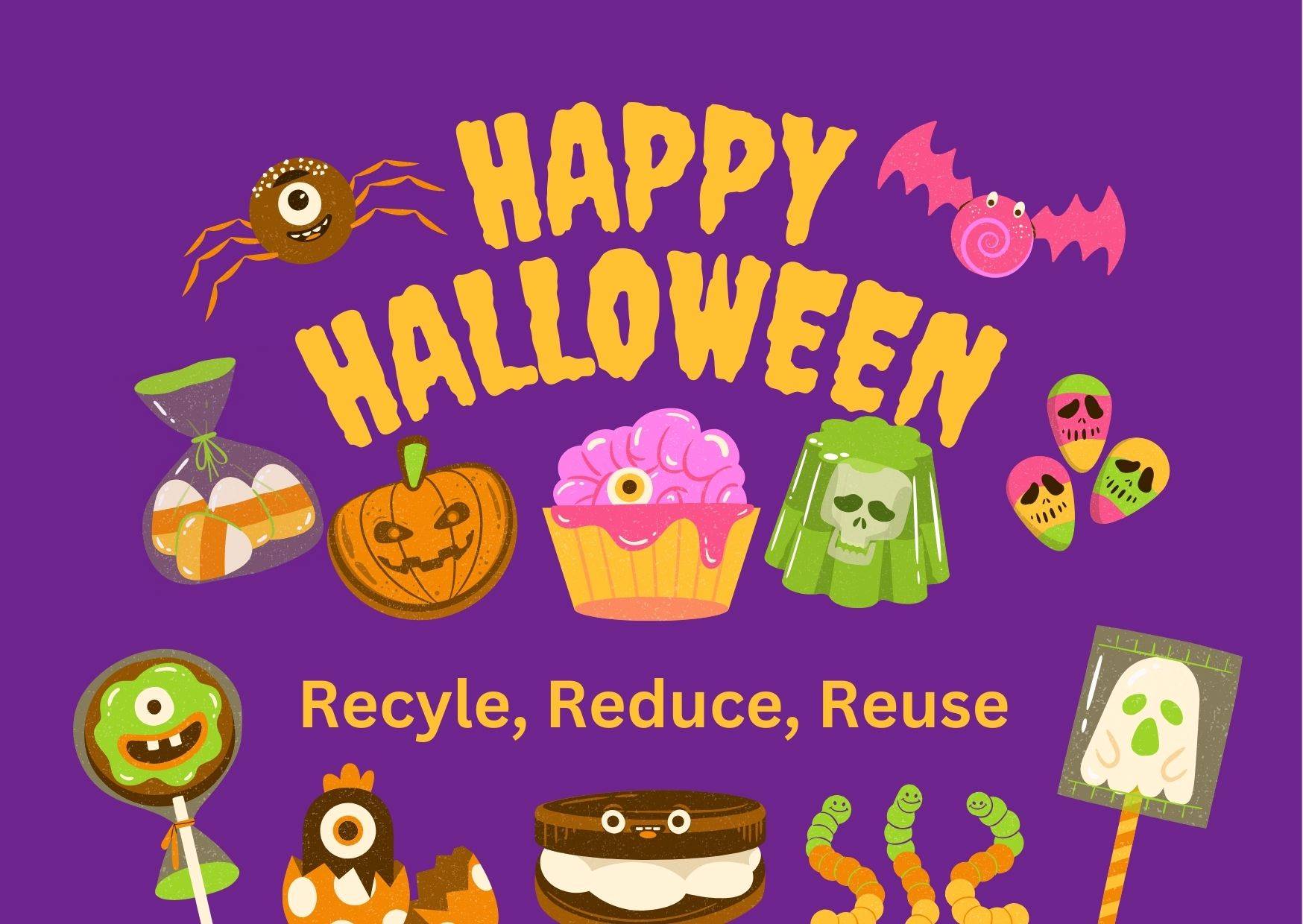
Halloween is just around the corner, and this fun and exciting event usually brings out all kinds of creativity and imagination. From the outrageous and adorable costumes parading down the streets, to the extravagant decorations, and of course the over abundance of candy and treats, it’s no wonder that Halloween is such a popular “holiday”.

I love Halloween and look forward to it each year. But I don’t love the excess candy waste and plastic waste that ends up in landfills. While Halloween is traditionally celebrated to ward off evil, society has made this event into a big extravaganza. Houses are decorated from top to bottom, parties and trunk-or-treats every weekend, and even “tricks” being played by kids and teenagers regardless of the reason. After the big day is over, streets are cluttered with candy wrappers, plastic toys, and extra waste.

So what can we do to prevent less waste on Halloween? I admit, it can be an incredibly fun event, especially for school-aged children. But we also have to consider what we buy and use during this holiday that puts a strain on our environment. Below I’ve listed some ways to reduce waste, and how you can prevent excess waste before and after Halloween.

mon and son getting ready for trunk-o-treat

TIPS TO REDUCE WASTE THIS HALLOWEEN:

  • Set up a recycling center at home, school, office, and neighborhood. During Halloween, and many days after when you’re trying to eat all the leftover candy, there will be lots of candy, chips, and cookie wrappers. Most of these wrappers are not readily recyclable, and they end up in the city’s landfill. But you can ship these wrappers to a dedicated facility, and the most popular one is called TerraCycle (https://www.terracycle.com/en-US/). They take back almost everything imaginable and find ways to either repurpose them or recycle the products. You can purchase their ZeroWaste boxes or mailer bags and send them your waste.

  • Reuse costumes from previous years, do a friends costume swap, or search for local free and inexpensive neighborhood costume exchanges.

  • Throwing away an old bedsheet? Make a traditional ghost costume by cutting out two holes for eyes and let your imagination go wild! Leftover delivery boxes? Make a robot out of the boxes or anything else that’s easy to make. You can find many ways to upcycle what you already have at home to make fun and unique costumes.

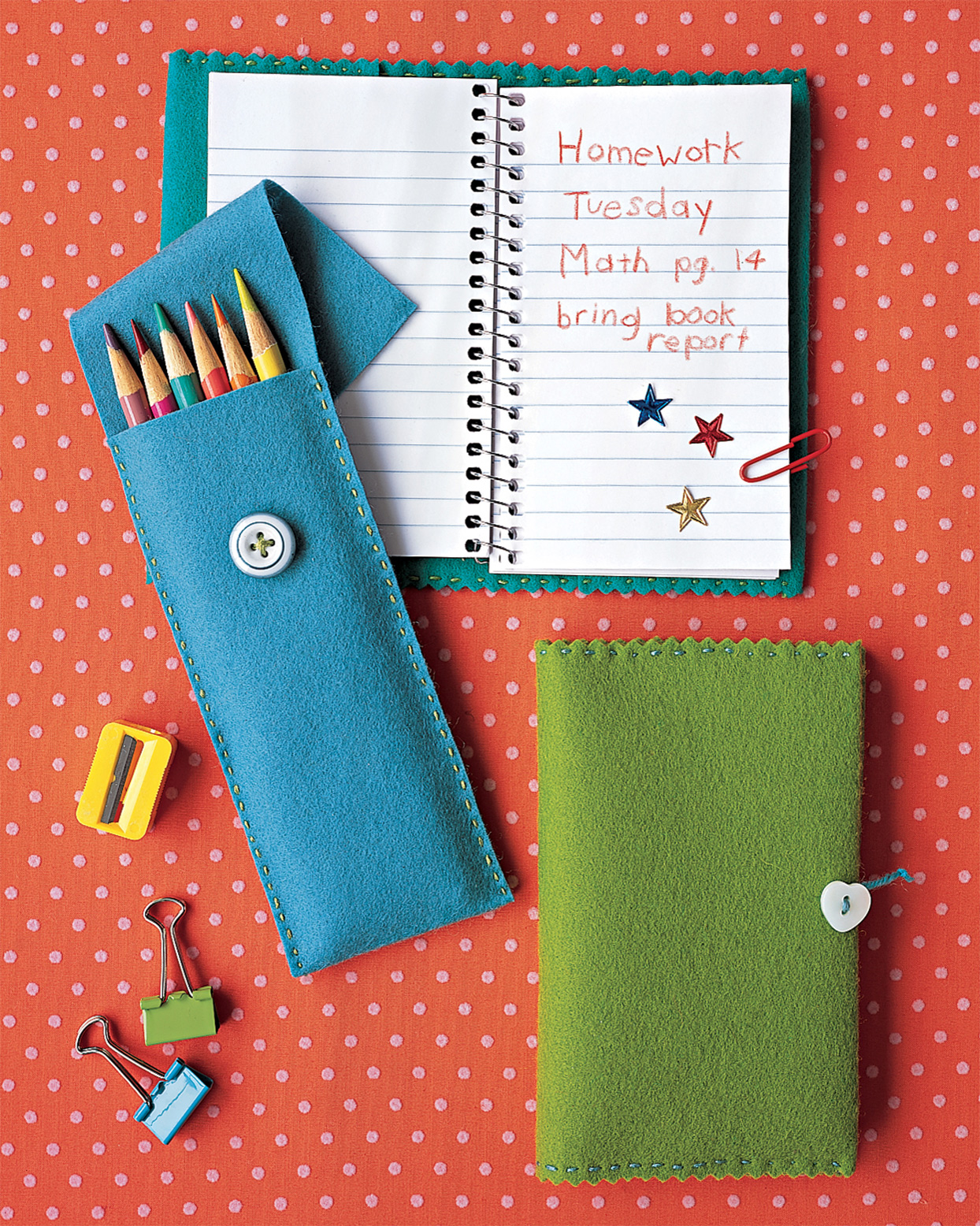
  • Instead of candy and the ominous candy wrappers, buy useful treats that kids of appropriate ages will use. Pencils, fun erasers, and notepads are just a few ideas. Giving out rolls of pennies or quarters are also a welcomed treat for little and big kids.

  • If you’re hosting a Halloween party, try to limit plastic waste. Use real glass, candlesticks, and dinnerware. If you must use disposable party decorations and dinnerware, try using paper products or items you can reuse for many years.

  • After the Halloween festivities are over, look for organizations that will take your excess candy. There are non-profit groups that will ship candy to the military, or donate to low income communities.

  • Compost your pumpkins after you’ve taken out the seeds. Use the seeds as a snack, or save them to plant for next year’s pumpkin harvest. Also, you can check local farms to see if they’ll take your leftover pumpkins to feed their livestock.

There are many ways to conserve this Halloween season, and to reduce overall waste. We can all have fun but still be mindful of the environment that we all share.

Have a happy and safe HALLOWEEN!!!

*photos courtesy of Ferry-Morse, and Parents magazine


Disclaimer: The product(s)were sent to the author for review by the manufacturer/PR. All reviews on “Happymomblogger” remain unbiased and unpaid and are the sole decision of the author. The opinions of these product(s) were not influenced in any way, shape, or form. As always, please read the ingredients carefully when trying new products.

Please read the labels and ingredients carefully and follow all manufacturer’s instructions (if any). The products selected for the giveaway were generously donated by the companies/PR to help readers learn more about their products. The winner’s choice in using/consuming these products are entirely up to the winner and will not hold the author and her family liable nor the companies/PR liable. These products are made with non-toxic ingredients but always be safe with what you use and consume.

http://www.topmommyblogs.com/blogs/in.php?id=storm

The Kindness Gene – January Kindness Month

The one thing about getting older is the ability to look back and see what kind of person you’ve become. Were we nice as children? Did we play fairly with other children and hardly argued with our parents and siblings? Were we kind to our teachers and school administrators? Did we say thank you and please and truly appreciated the people who helped us? Were all of these behaviors and attitudes learned and taught to us, or was there an inherent gene somewhere in our body that told us to naturally be nice and gracious?

As the saying goes, “nature over nurture”, sometimes I wonder why a person is kind or compassionate to another. I’ve certainly met my share of unkind people in my life and I can guess that they were not treated kindly or fairly in their formative years. For children, the innate ability to see the world as it is also gives them the ability to be less judgmental. But as we grow older and live life through good and bad experiences, our attitudes change and our views of the world and people change as well. But that should not be the excuse to be cruel or hurtful. No one has a perfect life, but our choices truly can define us when we’re older.

January is national Kindness Month and schools around the country are encouraging students, staff, and families to take this month to show some kindness. Would it be so wonderful if people were kind all the time. But alas, we do our best regardless of how people treat us. At my school, we are hosting a Kindness Week in January with each day of the week highlighting and fostering kindness, inclusivity, and compassion. Perhaps you can try doing this at your children’s school or your workplace. There are some great non-profit organizations that help build and spread kindness during Kindness Month as well as year-round. Check out some ideas below to foster kindness in your own home and community!


  • The Random Acts of Kindness Foundation ( https://www.randomactsofkindness.org/) – a website full of wonderful, easy, and age-appropriate ideas for kids and adults. I’ve applied a lot of these ideas for school and work and they’re super easy and creative.
  • The Great Kindness Challenge (https://thegreatkindnesschallenge.com/) – fun and inspirational activities and ideas for all ages. You can also order some Kindness gifts on their website for gifts to students and teachers.
  • Donations to non-profit organizations. These organizations are similar to charities where your monetary or in-kind donations help them with fundraising, food for shelters, building maintenance, free health care, and so forth. 
  • Plant trees. Help plant trees at your local parks, schools, or national forests. Trees are incredible resources for providing oxygen, and the power to remove harmful gases like carbon dioxide making the air we breathe healthier. Always check with locations before planting trees on your own. To find a national park in your state, visit: https://www.nps.gov/findapark/index.html
  • Community cleanups. You can be a party of two or twenty if you want to help clean up your community and local beaches. Start small or join organizations like Keep America Beautiful (https://kab.org/) where you can find local chapters in your area. Join their groups or start your own. Cleaning up your neighborhood and community fosters a healthy and happier environment for all.

Do you have other ideas for promoting kindness and compassion? All it takes is one kind act, and a ripple effect will take place.

Disclaimer: The product(s)were sent to the author for review by the manufacturer/PR. All reviews on “Happymomblogger” remain unbiased and unpaid and are the sole decision of the author. The opinions of these product(s) were not influenced in any way, shape, or form. As always, please read the ingredients carefully when trying new products.

Please read the labels and ingredients carefully and follow all manufacturer’s instructions (if any). The products selected for the giveaway were generously donated by the companies/PR to help readers learn more about their products. The winner’s choice in using/consuming these products are entirely up to the winner and will not hold the author and her family liable nor the companies/PR liable. These products are made with non-toxic ingredients but always be safe with what you use and consume.

http://www.topmommyblogs.com/blogs/in.php?id=storm

Easy-breezy, Eco-friendly Back to School

It’s that time of year again where kids are dreading going back to school, while parents are eagerly pushing them out the door. As parents we do what we can to help our children have a successful and valuable school life experience. Helping our kids make healthy life choices early on ensures they’ll take those important lessons with them into adulthood.

My son is starting high school and it’s bittersweet for me because soon we’ll be thinking about college applications. But I still try to teach him to make healthy habits that I hope he’ll carry into adulthood. I try to instill values of the importance of a healthy school life balance. That includes eating well, getting enough sleep, and doing things that limits stress. But admittedly, school has become extremely stressful for children over the years. Too much competition within schools, peers, and even homelife. When I’m too stressed, I harken back to my younger years living at home with my folks and remember the balance that my own mom tried to teach me.

I’m going to list some of my tried and true, and favorite back to school tips and hacks. I wish I had more time during the day to make lavish breakfasts and lunches for my teenager, but most days that just won’t work out. Being a parent is one of the toughest jobs in the Universe, and we can all pretty much agree that we want the best for our kids, no matter their ages.

SCHOOL VS. HOME:

  • To save time and money, try to reuse what you have. If their backpacks are still in great working order, doesn’t have ripped seams, and still have all the zippers and pockets in tack, then clean up the backpack and reuse it. Unless your child has really outgrown their backpack, reusing them from year to year is a great way to save money, time, and produce less waste in the landfill. If unable to reuse, you can always donate the backpack or do a trade with a friend.

  • To keep school work separate, give your kids their own work station. Create a box, crate, or cabinet just for their school work. This will help you and your child find things a lot easier. Rotate throughout the years with things you want to keep and toss.

  • Create a lunch station. This can easily be done in any household and will save you a lot of time in the morning. Depending on the ages of your children, gather snacks that are healthy, delicious, and easy to eat. See below for easy lunch station snacks and ideas.

  • Buy bulk when possible. Buying bulk helps reduce extra waste and saves time. But, buy only bulk items your family constantly uses. Separate the items into the lunch station and school work station.

  • Healthy school lunches is crucial for maintaining your child’s energy throughout the day. Depending on their ages, children’s lunches should include a balanced meal, especially if they don’t eat breakfast. Some schools throughout the US offers free lunch but not all of them offer a healthy lunch. See below for healthy and delicious lunch ideas.

  • Create a winding down time before bedtime. The first couple of weeks of school can be exciting and stressful so setting a bedtime routine early will help your child get back on track. Turn off electronics at least one hour before bedtime, try not to drink any beverages at least one hour before bedtime, and take a soothing shower or bath before going to bed.

  • Have some wholesome and delicious afterschool snack. Kids are tired, grumpy, and most likely hungry after school, so having some snacks at home ensures they’re eating healthy while relaxing. See below for yummy afterschool snack ideas.

EASY, HEALTHY, AND DELICIOUS LUNCH AND SNACKS FOR KIDS:

Lunch from home should be quick, delicious, and healthy. Most students don’t have a lot of time to eat during lunch and recess because of the limited time for eating and playing. While you might be tempted (or insisted by your child) to pack conveniently bagged snacks you’d find in the supermarkets, they’re not all that healthy. It’s okay to include them once in awhile or limit to just one item in their lunch bag.

  • Yogurt squeeze – these yogurt squeezers or tubes are convenient and pack some needed nutrition and energy. They might not always be easy to open, so younger kids would need help opening them at school. Try to purchase yogurt squeezes that are low in sugar and fat as some brands hide the true value of nutrition by adding tons of sugar and artificial flavors and colors.

  • Cut or sliced fruits – fruits are nature’s best sugar so pack easy to eat ones such as grapes, sliced apples, sliced oranges, and berries such as strawberries, blueberries, and raspberries. Kids love to hold things in their hands so berries and sliced fruit are fun, delicious, and healthy!

  • Crackers and cheese snacks – choose whole wheat crackers and low sodium cheese. Cut cheese into cubes or thin slices so kids can make them into finger sandwiches if they want.

  • Yogurt Parfaits – a delicious, fun, and cute way of serving yogurt with fruit. Make it extra fancy by layering the yogurt, fruit, and any other toppings you have at home. Try these as a delicious after school snack for your kids.

  • Hummus and vegetables – these are great for school lunches or afterschool snacks. You can make homemade hummus or buy them at stores. Sliced vegetables such as carrots, radishes, and cucumbers pair well with hummus. Add fancier vegetables such as Haricot Verts, red and white carrots, asparagus, and endive for a special treat.

  • Hard-boiled eggs – most kids enjoy eggs whether they’re scrambled, fried, or hard boiled. Plus, they’re fun to peel and easy to eat. If you’re adding them to a school lunch, make sure you peel them first if your kids are little. This will save them time and frustration if they’re not used to peeling eggshells.

Try to avoid overly sugared lunch food. Kids will get that “sugar high” which isn’t beneficial to them or their teachers. Pack lunches that don’t spoil or keep an ice pack with their lunch containers. Be sure to pack them a reusable water bottle as schools should have a water refill station. Reusable utensils, and a sturdy lunch bag are necessary to create a safe and friendly environment for your child and everyone around them.

Best of luck for your school-aged children!

*photos courtesy of Martha Stewart Living

Disclaimer: The product(s)were sent to the author for review by the manufacturer/PR. All reviews on “Happymomblogger” remain unbiased and unpaid and are the sole decision of the author. The opinions of these product(s) were not influenced in any way, shape, or form. As always, please read the ingredients carefully when trying new products.

Please read the labels and ingredients carefully and follow all manufacturer’s instructions (if any). The products selected for the giveaway were generously donated by the companies/PR to help readers learn more about their products. The winner’s choice in using/consuming these products are entirely up to the winner and will not hold the author and her family liable nor the companies/PR liable. These products are made with non-toxic ingredients but always be safe with what you use and consume.

http://www.topmommyblogs.com


Easy Ways for Kids to Start a Summer Garden

Summer is a great time to start a garden with children. With some free time before school starts, children can get a good harvest going before the fall and winter seasons. While temperatures are conflicting around the world, you can still find the right type of plants to grow in the summer and be ready for a hearty harvest in a couple of months.

My love for gardening and nature developed at a very young age. I thank both my parents for that because now I teach gardening to children at an elementary school and hope to instill in them a love of nature too. Whether you’re a beginner or an avid gardener, getting kids started at a young age gives them a chance to learn and grow at their own pace. Nature has no judgement and will in fact, bring you an abundance of joy and satisfaction for many, many years.

To get kids started in gardening, you must know the basics. The fundamentals of gardening helps develop good habits that leads to better understanding and less frustration. If you and your children already have a garden full of lovely plants, then that’s awesome. If not, or you’re just starting out, check out some easy tips to get you started on a lifetime of healthy living.

10 BASIC GARDENING TIPS:

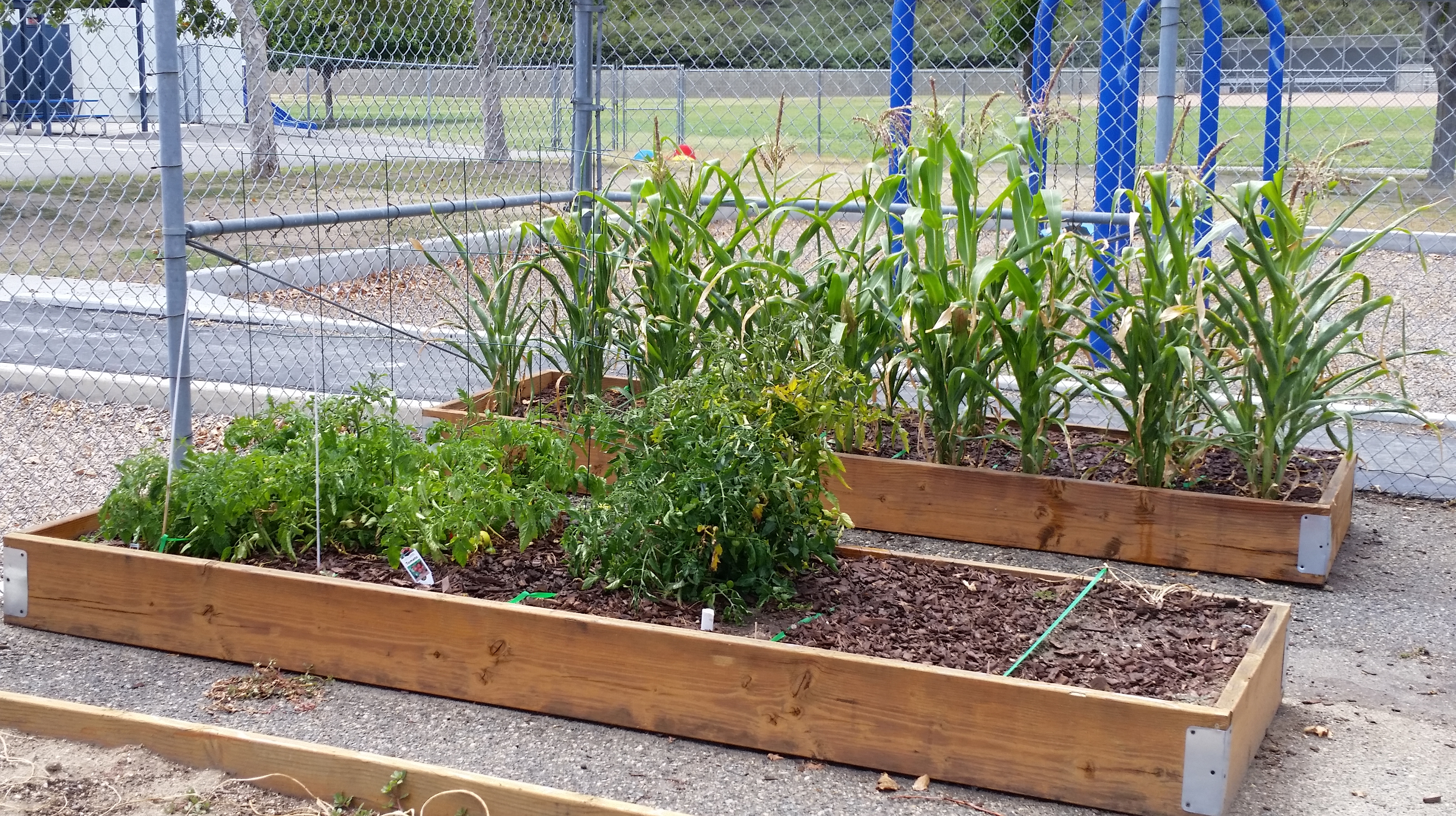
1 – Decide on your garden space. Do you want a small patch of land in your yard? Do you want only planters?Or do you want a mixture of ground and raised? Once you decide on the type of garden you want, you can start planning!

2 – Decide on how much you want to invest in your garden. If you’re just starting out, it’s easier to start on a small budget. Any range between $50-$100 is a good starting point.

3 – Have your kids research on the type of plants they want to grow. Depending on their age, they can start with very basic and easy to take care of plants. I will list the type of plants below.

4 – Visit a garden center or big box stores like Home Depot and Lowe’s that has a garden center. Take some time to walk around and learn about the various types of plants. Touch the plants and smell them to see what you like.

5 – While at the garden center, pick up some easy to grow plants: mint (any type), tomatoes, cucumbers, cabbage, radish, sweet snap peas, bell peppers, daisies, sunflowers, and hibiscus (seasonal).

6 – Have your kids pick out basic garden tools: small hand shovel/spade, small hand rake, gloves, bucket, watering can, and gardening soil. Many gardening tools are made for children but I recommend getting them medium sized tools so they can eventually grow into them. Check out this one-for-all tool set: https://amzn.to/43bxRJS (sponsored).

7 – Find the right spot in the garden. Most plants can take full sun up to 6 hours, depending on where you live. For easy to grow plants such as the ones mentioned above, try to grow them where there’s sun for most part of the day. If you plant in planters, they are easy to move around according to the position of the sun.

8 – Don’t over or under water your plants. How do you know if you’re over watering or under watering? Check the top soil. Place 2 fingers into the soil of where you plant is. If it’s moist, then you don’t need to water the plants yet. If it’s dry or not moist, then water them immediately. Over watering plants can kill them or cause plant diseases. Under watering plants can make it difficult for them to flourish again. An easy way to manage water is with an irrigation center: https://amzn.to/3NC6mUg (sponsored).

9 – Buy high quality planting soil. Once you’ve decided if you’re planting directly in ground or in planters, make sure you buy higher quality soil to give your new plants a chance to grow and flourish.

10 – Tag and monitor your plants. If you’re growing from seeds, it’s very simple to watch your seeds grow from seedlings to full plants. If planting seedlings that you got from the store, place markers in the soil with the name of the plant and the date it was planted.

A few other things to note as your child starts his/her journey into becoming a gardener. Besides doing the basics of gardening, invest in composting and upcycling. I use this Compost Bin at home and at school: https://amzn.to/44uL3dV (sponsored).

Being a gardener or just having a love for gardening is also being a steward of the planet. We garden because we appreciate nature and the love of living a healthy lifestyle. Gardening is therapeutic and resourceful. You can plant a bounty of delicious and healthy food to last you for many years or you can grow a garden just for show. All it takes are some simple steps to begin your garden and your kids will grow into a love for nature and making healthy choices.


*photo courtesy of Martha Stewart magazine


Disclaimer: The product(s)were sent to the author for review by the manufacturer/PR. All reviews on “Happymomblogger” remain unbiased and unpaid and are the sole decision of the author. The opinions of these product(s) were not influenced in any way, shape, or form. As always, please read the ingredients carefully when trying new products.

Please read the labels and ingredients carefully and follow all manufacturer’s instructions (if any). The products selected for the giveaway were generously donated by the companies/PR to help readers learn more about their products. The winner’s choice in using/consuming these products are entirely up to the winner and will not hold the author and her family liable nor the companies/PR liable. These products are made with non-toxic ingredients but always be safe with what you use and consume.
http://www.topmommyblogs.co


Moms Meet Virtual WOW Summit Wrap-up

On Friday, March 11, 2021, the Moms Meet WOW Summit wrapped up their first virtual tradeshow event. This 3-day online event held topics on parenting, food choices for children, and tons of sneak peeks at new products from well known brands.

While I would have preferred an in-person trade show, the WOW Summit virtual event was put together in a professional and engaging way. Perhaps this is the new form of trade shows? With the upcoming Natural Products Expo West going virtual, we’ll have to make a comparison.

I learned a lot from the Moms Meet WOW Summit. Not only as a mom, but as a blogger and business entity. One particular webinar really resonated with me and I hope it can help you too!

Dr. Laura Markham author or Peaceful Parent, Happy Kids gave a really important webinar on how to create a happy and peaceful atmosphere for your kids:

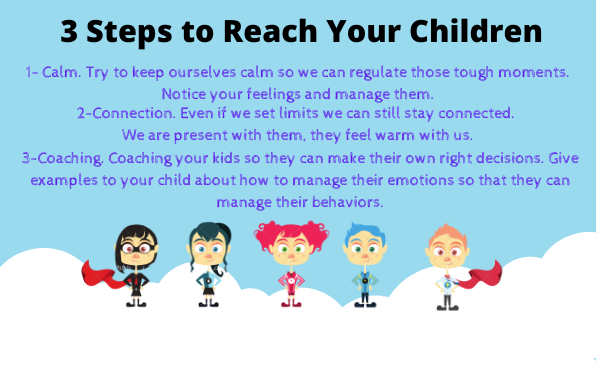
Stop. Drop. Breathe. Those are the 3 important words that parents must remember when dealing with a difficult situation with their children. Stop what you’re currently doing or saying. Drop your agenda for the moment: calm yourself first by taking deep breaths. Breathe by taking a deep breath before you start again.

I learned that children who are yelled at on a normal basis becomes angrier and more anxious. That’s something I definitely have to remember! When we’re angry and frustrated, we tend to let our that frustration on our loved ones. And when it comes to your kids, they are almost too easily triggered due to their immaturity levels. Therefore, don’t just gather kindling. Soon you will start a fire that will be difficult to distinguish.

Dr. Markham also indicated that kids need to be with us to calm down. If they run off alone, they wouldn’t know how to resolve their anger and it might fester and grow angrier. We need to continue with the connection so kids can learn “self regulation”.

I hope the steps above can help you when you’re feeling like you’ve just had it. I’m going to try the practices mentioned by Dr. Markham and hope I will remember them when I need it.

I was also gifted a Moms Meet WOW Summit gift bag with some awesome products from many brands:


A huge thank you to Moms Meet and the guest speakers and brands! Hopefully we’ll see you at next year’s WOW Summit in person!

Disclaimer: The product(s)were sent to the author for review by the manufacturer/PR. All reviews on “Happymomblogger” remain unbiased and unpaid and are the sole decision of the author. The opinions of these product(s) were not influenced in any way, shape, or form. As always, please read the ingredients carefully when trying new products.

Please read the labels and ingredients carefully and follow all manufacturer’s instructions (if any). The products selected for the giveaway were generously donated by the companies/PR to help readers learn more about their products. The winner’s choice in using/consuming these products are entirely up to the winner and will not hold the author and her family liable nor the companies/PR liable. These products are made with non-toxic ingredients but always be safe with what you use and consume.

http://www.topmommyblogs.com/blogs/in.php?id=storm


Get Ready. Set. Plant – 10 Ways to Get Kids to Enjoy Gardening

It seems like I’ve been gardening all my life. And teaching children the skills and love for gardening are what brings me joy in the gardening world. If you can see their huge smiles and excitement as they watch their plants grow, then you know you have instilled a love for nature.

I still remember as a young child, my parents would bring me out to their backyard to help plant pumpkin seeds. I then graduated to planting tree saplings to learning how to transplant, divide plants, and propagate. While not every child desires to learn about plants, most of them do however enjoy being outdoors and digging their fingers in the soil.

There are health benefits to growing your own garden or planting your own food. You get to be outside in fresh air, you decide on what you want to grow, you can see pollinators visit your garden, and you can enjoy the bounty of your fresh fruits and vegetables! And there are many easy to grow plants for children no matter their skill level.

With spring just around the corner, now is the best time to prepare for your spring planting. If you like to start with seeds, get them ready as most seeds take about 7-10 days to sprout and then 2-3 months for the plants to be fully grown. If you can’t wait for the seeds to sprout and transplant, then seedlings or small established plants might be a better choice.

Below are 10 ways of getting your child to grow their own garden. These are fairly easy steps and you can start small with just a few plants.

1 – Start off with easy to grow plants: beans, beets, carrots, peas, radishes, and tomatoes. Beans, carrots, and tomatoes can be easily grown in planters. Be sure to purchase organic whenever possible as these are edible plants.

2 – Decide on whether you want to grow in a planter or directly in ground. Planters are great for beginners or if you have a small space. Make sure planters have good drainage holes.

3 – Do you or your child have a favorite flower? Research whether the flower is in season. Check out planting seasons here: https://www.highcountrygardens.com/plant-finder/easy-to-grow-perennials

4 – Decide if you want to grow from seeds or seedlings. Most seeds take about 7-10 days to sprout. Seedlings are usually about 2-3 inches tall and can be planted directly into the ground or in a planter that can accommodate the size of a fully grown plant. Growing from seeds are particularly fun because your child can track the growth of the seed as it germinates into a seedling!

5 – Take your child to a garden center. Walk around the garden center to see what’s in season and get inspiration. Talk to a horticulturist while there to get some insider tips on growing a bountiful garden! And while you’re there, pick up some plants and start planting!

6 – Purchase basic garden tools: thick gloves, garden spade, garden hand trowel, small rake, garden shears, and watering can. Get either child size tools or smaller adult size so they’ll grow with your child.

7 – Go on a nature walk at a local park or arboretum. This will inspire both you and your child to appreciate and discover various plants. Many arboretums also sell native plants so it’s a great time for your kiddos to pick out some on their own.

8 – A plant journal. Depending on the age of your child, you can have them start a plant journal where they can draw or cut out pictures of what they’re planting. Then record the start date of planting and the growth period. This also helps develop good recording skills for future planting and gardening techniques.

9 – Grow specific plants for pollinators. Great plants to grow for butterflies and bees are native flowers or all-inclusive plants such as herbs, sunflowers, and daisies. Pollinators help increase the growth of your own plants as well as help them pollinate other plants. I love growing Milkweed for Monarch butterflies. These unique and beautiful pollinators are particularly attracted to this specific plant.

10 – Plant a hummingbird habitat garden. Once in awhile I will grow plants that hummingbirds love right in front of my front door. It’s so delightful to hear their little wings flap as they drink the nectar from my plants. Hummingbird plants include Butterfly Bush, Trumpet Vine, and Honeysuckles. Just think of anything in a tubular flower shape where their long beaks can reach into the flowers.

See below to print out a Spring Planting Calendar so you’ll know the best times to plant and harvest.

KidsGardening Interactive Spring Planting Calender

Click to access interactive-planting-calendar.pdf

Instill the love of gardening and being in nature when your child is young. Teach them basic gardening skills and they’ll soon want to grow a garden for you!

Happy gardening!

*photos courtesy of High Country Gardens and KidsGardening

Disclaimer: The product(s)were sent to the author for review by the manufacturer/PR. All reviews on “Happymomblogger” remain unbiased and unpaid and are the sole decision of the author. The opinions of these product(s) were not influenced in any way, shape, or form. As always, please read the ingredients carefully when trying new products.

Please read the labels and ingredients carefully and follow all manufacturer’s instructions (if any). The products selected for the giveaway were generously donated by the companies/PR to help readers learn more about their products. The winner’s choice in using/consuming these products are entirely up to the winner and will not hold the author and her family liable nor the companies/PR liable. These products are made with non-toxic ingredients but always be safe with what you use and consume.

http://www.topmommyblogs.com/blogs/in.php?id=storm