10 Ways to Live Sustainably

Growing up with my parents was a real eye opener. It wasn’t until later when I had my own child that all the things I did in my youth would later transfer to my role as a parent. Sometimes the most difficult lessons to learn isn’t until later on in life; rather, it’s through all the experiences you gained while growing through your own process.

My dad came from a farming and medical family so everything he learned was through hard labor and a thriving dedication to have food on the table. What he taught me in growing my own food to learning how to increase the harvest every year has helped me tremendously in my adult life. My mom came from a diplomatic family, and being resourceful and thorough taught me to be more conscientous and mindful of my choices.

We can all make choices in our daily lives to live more sustainably. But what does it really mean to live a sustainable life? We live in a world where convenience comes a close second to personal freedom. And while convenience is necessary in most instances, it is through these conveniences that we tend to forget how wasteful everything can be. If you look at worldwide pollution, you can see how wasteful this world has become. We live in a plastic world full of convenient and unnecessary packaging of products. And while we can get practically anything shipped to us from around the globe, we should really stop and think how much of these products affect our lives.

I fall prey to convenience as well as the next person. It’s easy to grab a bottled water at Starbucks or order takeout every day. Who doesn’t like convenience? But it’s exactly through these mundane acts that lead up to unnecessary waste and pollution.

Before the end of the year, let’s look at some ways our actions can impact less waste around the world, and most specifically in our community.

10 Ways to Live Sustainably:

1- Start at HOME – Find at least 3 things you can do to eliminate extra waste in your home. Small steps can lead to a bigger impact: 1- You can reduce your carbon footprint by buying a water filtration system instead of buying single use plastic water bottles. 2- Set a timer for showering to reduce your water consumption. Experts suggest at most 5 minute showers are enough for the average household. 3- Check your refrigerator and pantries for food before grocery shopping. It’s easy to forget we bought those extra bags of potato chips or those containers of strawberries that are hiding in the back of the fridge. Do a food checkup to determine what you really need and eliminate food that your family will not likely eat.

2 – Sustainable WORK PLACE – Whether you have your own office, work at home, or sit in a tiny cubicle, there are many ways to do sustainable acts at your work place. Choose reusable water bottles that are insulated for extra cold or hot beverages, walk to work or carpool as often as possible, and put in recycling bins in the offices/buildings and encourage people to recycle their aluminum cans, glass bottles, and plastic bottles. See if management will allow other ways of recycling such as paper recycling, ink and toner recycling, and so forth. Check out Plastic Free July for more inspiration: https://www.plasticfreejuly.org/resources/solutions/

3 – Do a WHOLE house audit – There’s no such thing as a perfectly sustainable house. If you live in a house, you’re going to use electricity, water, gas, and any other utility. But do you want to know how to reduce your utility bills? Try a whole house audit to find out where you can reduce, or eliminate unnecessary usages: https://earth911.com/home-garden/home-energy-audit-basics/

4 – Start a GARDEN – Gardening is truly one of the easiest ways to reduce waste and improve your carbon footprint. You don’t have to live on a 10-acre farm or have a green thumb. You can start a space-saving garden with planter pots or find a small patch in your backyard. Start off with starter plants to get your gardening groove going. Easy to grow plants are herbs, seasonal vegetables such as radishes, carrots, and beans, and small or dwarf citrus plants. Once you’re accustomed to growing your own food, you can escalate your skills by growing from seeds and propogating your plants. Find out your planting zone for best crop results: https://www.almanac.com/what-are-plant-hardiness-zones

5 – Reduce PLASTIC WASTE – While plastic has many benefits, they can also cause detrimental damage to our planet. You’ve probably already heard and seen plastic pollution waste in our oceans, our landfills, and even in your neighborhood. Single-use plastic waste is buying and using a product that can not and should not be reused, or more importantly, they are made to last through only one use. Their life cycles are tremendously long and do not break down easily. Plus the danger of microplastic leaking into your containers can be a health risk as well. You can reduce your plastic waste by bringing your own beverage containers at coffee shops, buy loose produce instead of ones already packaged, and bring your own reusable grocery bag or tote. These are all simple and effective ways of reducing plastic usage.
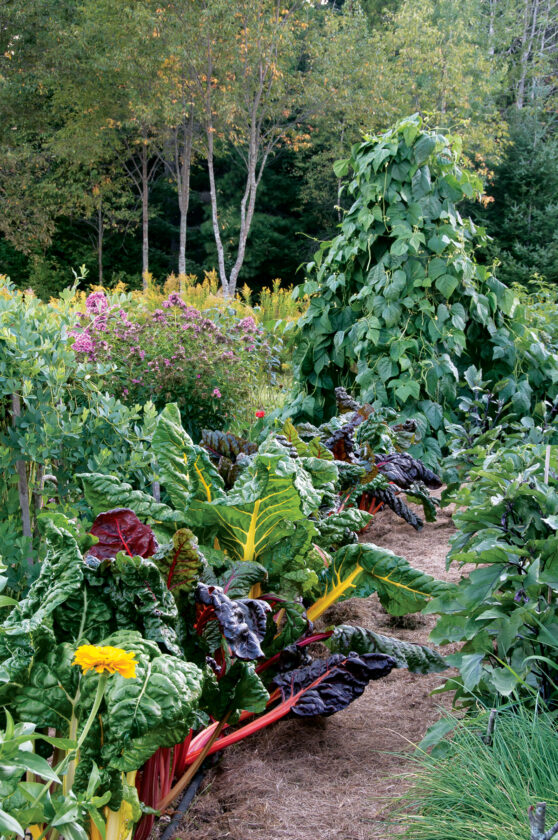
6 – Start a SCHOOL ECO CLUB – Young children have bright futures and big ideas. Give them the opportunity to help their planet by starting an environmental club. Whether it’s in elementary school, middle school, high school, or even college, kids can benefit by learning how to take care of the environment and teach others the same concepts and skills. A great place to start is with Grades of Green (https://gradesofgreen.org/who-we-are/), a non-profit, education and project based program that helps schools around the world become more eco-friendly.

7 – EMPOWER Yourself – If you encounter people who scoff at you bringing your own lunch instead of ordering takeout, or argue that global warming is a hoax, then it’s time to empower yourself. Fact-based data is one of the best ways in proving your stance, but you can also tell people to look around their own environment to see that waste and pollution is all around us. You can make your own choices in how you want to be more environmentally aware and in turn, help others understand the need to do so.

8 – Say NO to extra packaging – If you walk into a local grocery store you’ll most likely find fruits in plastic packaging, vegetables wrapped in plastic, and bags upon bags of convenient foods. It makes me sad when I see vegetable wrapped in plastic, because they are most likely shipped from somewhere far. Do we really need our cucumbers to be wrapped in plastic or bell peppers jammed inside a plastic container? We can easily pick our own fruits and vegetables in the produce section, and in doing so, it tells stores and manufacturers we don’t want our fresh produce to be unnecessarily wrapped. Be sure to bring your own cloth produce bags for fresh fruits and vegetables, and bulk bins whenever possible.

9 – UPCYCLE What You Have –  As consumers we have the power to choose what we want to buy and which brands to support. As convenience goes, it’s easy to throw something out and buy a new item the next day. But before you throw something out, think whether it can be upcycled. Upcycling is a form of repurposing what you have to give it a second or third life. Clothing are easily upcycled and swappable. For instance, you can turn your old t-shirts into tote bags and cleaning cloths. Other ways of upcycling include turning milk cartons and plastic containers into seed starters, or paint them to hold pens and pencils. If you’re a skilled crafter, you can upcycle old furniture into something new. You can find many things to upcycle if you just look around your house. For more upcycling ideas, be sure to check out Pinterest.

10 – RECYCLE and DONATE – The last resort to living a sustainable life is to recycle and donate what you have. Recycling isn’t always the best option, but it is one of the options to living a sustainable life. Check your local municiple to see where recycling centers are and find out what you can recycle there. You can also donate your gently used goods for others who might need them. The best places to donate your items are at school fundraiser drives, thrift stores, and non-profit charities who usually end up giving your donations away for free instead of selling them.

Living a sustainable life doesn’t mean giving up what you love. It’s about making responsible and conscientious choices that benefit yourself, your home, and the planet. Start with these simple 10 ideas and soon you’ll find other ways to increase your sustainability efforts.

*photos courtesy of Earth911.com

Disclaimer: The product(s)were sent to the author for review by the manufacturer/PR. All reviews on “Happymomblogger” remain unbiased and unpaid and are the sole decision of the author. The opinions of these product(s) were not influenced in any way, shape, or form. As always, please read the ingredients carefully when trying new products.

Please read the labels and ingredients carefully and follow all manufacturer’s instructions (if any). The products selected for the giveaway were generously donated by the companies/PR to help readers learn more about their products. The winner’s choice in using/consuming these products are entirely up to the winner and will not hold the author and her family liable nor the companies/PR liable. These products are made with non-toxic ingredients but always be safe with what you use and consume.

http://www.topmommyblogs.com/blogs/in.php?id=storm

Advertisements

Reimagining Food Waste

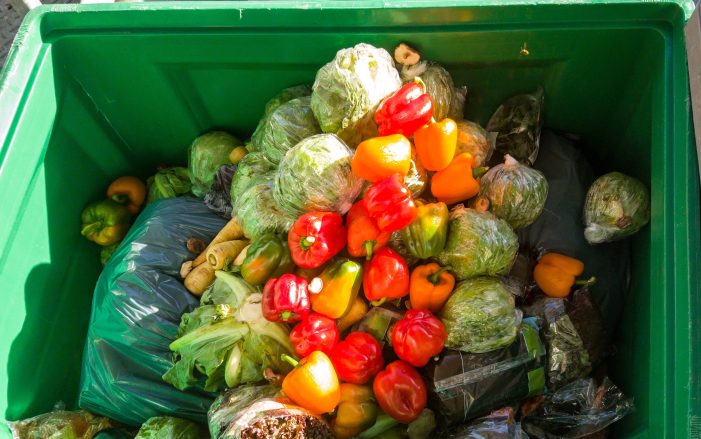
When we think about food waste, what do you imagine? An abundant heap of food tossed into the landfills or throwing out barely expired food from your own kitchen? Well, all of those factors contribute to excess food that gets thrown in the trash which inevitably ends up in our streets, oceans, and clogs up our planet’s resources. Food waste is one of the leading causes of environmental degradation in the world. In fact, excess food waste is an ongoing major global problem and it’s up to us to find solutions to prevent it.

As parents we laboriously cook meals for our children, whether it’s an extravagant meal or something quickly thrown together. We hope our children finish the food off their plates and appreciate what we provide for them on the dinner table. But what happens to all the food that don’t get eaten or cooked?

Why is food waste such a problem, especially in the United States?  According to Foodprint.org, the US accounts up to 40% of food wasted and up to 160 billion pounds of food that gets thrown away. Add in to food lost that happens with bad weather at farms, fisheries, and manufacturing facilities, it’s incredible how much valuable food gets lost in the system. Consider that food insecurity is also a major problem around the world, what can one individual do to help prevent food waste?

WHAT CAN YOU DO TO HELP PREVENT FOOD WASTE?

  • Create a Zero-Waste kitchen. Start with planning all your meals in advance and make shopping lists. Check your refrigerator and pantry before grocery shopping. Date certain foods on the containers or if you plan on freezing them. Cycle older foods to the front of the fridge so you can use them up first.

  • Compost. One of the easiest way of reducing your carbon footprint is to compost. While this may not be a miracle saver of preventing food waste, composting helps reduce waste in the landfills and can benefit the plants in your garden.

  • Check the “best by” date, rather than the “expired date”. Many companies have changed their labeling to indicate a best by date since households around the world have various food preservation methods. In the past, food were wasted because consumers were afraid of eating food past the expiration date. Most food can last several days past the expiration date but to be sure, check for any type of mold, discoloration, or foul smell before consuming.

  • Eat out less. Eating out is convenient and easy, but is also a big contributor to food waste. Consider that we don’t necessarily finish everything on our plates or want to take food home to eat later. Even taking food home doesn’t always equate to eating the leftovers. Restaurants waste a lot of food on a regular basis and we can do our best to eat out less whenever possible.

  • Preserve food scraps. What happens to all the scraps of vegetable skins, fruit cores, and excess bones? Try making broths or stock from leftover meat, vegetables, and make jams from fruit skins and cores.

  • Cook proportionally. Oftentimes families cook big meals because they want leftovers. While that may work for some families, for others cooking large portions end up wasted because food gets forgotten in the fridge or children decide they don’t want to eat the same food again. Cook according to your family size and proportion meals to age of your children. Younger children tend to eat less so big portions don’t really work for them.

  • Support local and farm-to-table establishments. Many local eateries are small businesses who thrive on making fresh food and providing local options. Plus, in order to keep their finances in check, these small business restaurants and eateries are careful with what they purchase and produce.

  • Donate. If you do end up with more food than you can eat, consider donating unopened food to food rescue centers. Food rescue center (or commonly known as food shelters) rely on donated food items. If you have canned food that are near the expiration dates, you can donate them to your local food rescue centers. Check ahead if they also take fresh produce as sometimes unpackaged food are not accepted.

  • Grow your own food. The benefits of growing your own food are abundant. You are in control of what you grow, how you eat what you grow, and also giving them away to friends, family, and neighbors. It’s also a much healthier option than store-bought food.

  • Don’t throw away unnecessarily. School-aged children might bring food from home for snacks and lunch. But I’ve witnessed tons of uneaten food thrown away or thrown in the trash after a couple of bites. Teach your children to bring home any leftovers, and pack accordingly to portion size. Remember that school-aged children don’t get a lot of time to eat during school hours, so they don’t need a five-course meal to take to school.

There are many ways to prevent food waste and food lost. Support local farms, contact city and state officials, grow your own food, and talk about the harmful effects of food waste with family and friends. Not only are you helping to prevent food waste, but also preventing wasting money on food that gets tossed out or you changed your mind on. The more we are aware of this devasting concern, the sooner we can help clean up our planet.

***photos provided by Foodprint.org and Shutterstock

Disclaimer: The product(s)were sent to the author for review by the manufacturer/PR. All reviews on “Happymomblogger” remain unbiased and unpaid and are the sole decision of the author. The opinions of these product(s) were not influenced in any way, shape, or form. As always, please read the ingredients carefully when trying new products.

Please read the labels and ingredients carefully and follow all manufacturer’s instructions (if any). The products selected for the giveaway were generously donated by the companies/PR to help readers learn more about their products. The winner’s choice in using/consuming these products are entirely up to the winner and will not hold the author and her family liable nor the companies/PR liable. These products are made with non-toxic ingredients but always be safe with what you use and consume.
http://www.topmommyblogs.com/blogs/in.php?id=storm


Week 4: 2017 Healthy Start – Reducing Food Waste

FOOD

During Earth Month I feel like I need to be extra diligent in protecting the environment. While I try to do my best every day, sometimes it’s good to take a deeper look into what I actually do to help the environment and how I can improve the results. One of the biggest concerns that have been forefront in my mind is food waste – or being wasteful in general. Each year at least 40% of food is wasted in the US, according to the NRDC database. Consider how many hungry people there are in our country alone, that’s a phenomenal amount of quality food that could feed those hungry mouths. Many of  these hungry people are children who if lucky, will get a nutritious meal once a day.

Besides all the other things people waste in general, food waste is really unnecessary when you factor in how food end up in our landfill and accumulates illnesses and unhealthy habits. With too much waste, our world creates an influx of diseases through improper disposal of food thus leading to toxic air quality and pollutants. Wasting food is such a major problem in the US that there are hundreds of organizations – private and government – dedicated in reducing food waste through education, proper food distribution, and proper disposal. It doesn’t take much for everyone to reduce their impact on food waste and increase their efforts in cleaning up the environment.

So what should we do to eliminate food waste? There are some simple and basic steps that you’re probably already doing right now. Bear in mind that landfills fill up and eventually must be closed down due to overflow. Just imagine if a new one opens up in your neighborhood or city. How do you think it will affect your air quality, your health, and your children’s health? Below I’ve outlined some basic steps you can take to reduce your food waste. It may take a few days or even a few months to get a good system set up and to make it a natural everyday habit. But diligence and compassion with how food works will eventually pay off for your health and the health of our planet.

STEPS TO REDUCING FOOD WASTE:

REDUCE AT THE GROCERY STORES – Some may live on very limited monetary budgets while others have more money than they can use. But that doesn’t mean we shouldn’t be careful when we’re grocery shopping. Grocery stores need to make money off of us therefore stores will line their shelves with thousands of types of food that we don’t really need. Factor in the food they place at checkout counters and stands, it’s no wonder that America waste so much food every year and gain unnecessary weight. Do we really need that extra pack of chips or cookies? Most likely not if you’re just buying for the sake of buying. In order to reduce waste in grocery store shopping, make a list of what you plan to buy based on what you want to cook during the week. Find creative recipes if you’re stuck on what to make for dinner. Don’t buy groceries on an empty stomach as feeling hungry can send visual signals from your sight to your brains leading you to want to buy more food. Turn on your “blinders” so that you are only buying what is on your list and what your family truly needs. Consider how much money you can save by only buying what you need and not what looks good at the moment in the grocery stores.

PLAN MEALS AHEAD OF TIME – Whether you are a one-person household or a family of ten, planning your meals throughout the week not only saves money but your insanity during those busy weekdays. This step goes along with reducing at grocery stores because if you make a surefire plan on what you want to cook during the week, your grocery bill will also be rewarding. Here are the basics: Start by cooking what you’re good at and what you know. You can try new recipes later when you’re getting the hang of reducing food waste. Then check what’s already in your refrigerator and pantry and add only what you’re missing. Learn about portion sizes and whether you’re feeding for one person or just a few. Stock up on key essential kitchen items such as grains (rice, quinoa, barley, etc.), spices such as salt, pepper, and garlic, dried herbs such as thyme, basil, and cinnamon, and common sauces and oils including ketchup, olive oil, and vinegar (balsamic vinegar has a wide variety of culinary uses). Next, be sure to incorporate two types of protein, one or two grains, and a vegetable medley to make at the beginning and work into the rest of your meals. For instance, sauteed medley of broccoli and peppers can be used as a side dish for one meal, then incorporated into enchiladas for the next, and then added into soups or stews later in the week. Next, double duty your ingredients. If you’re using tortillas, start off with some quesadillas for the whole family. Then save the rest for Asian wraps or something else that’s creative. When you have no choice but to buy certain food items in bulk, such as bread and rice, find clever and delicious ways to stretch them out during the week. One of my favorite uses for rice is to make fried rice where I can add as many ingredients into it as I’d like. The next two steps are buying frozen ingredients. Frozen food are flashed-frozen to retain nearly all or most of their fresher counterparts. If you live in climates where certain fresh fruits and vegetables are hard to come by, rely on frozen foods since they last longer and you can easily use only the portions you need. The final step in meal planning is cook and freeze. Freeze in the portion sizes you’ll want to defrost later so that frozen food stays fresher longer instead of having to refreeze the portions you don’t need. Soups, stews, and lasagna for example are great to make in larger batches and freeze for later consumption.

REVIVING FOOD – Sometimes food may be stale, wilted, or badly seasoned and we feel inclined to toss them into the trash. But most oftentimes these types of food can be saved and revived to taste better. For wilted fruits and vegetables, a quick soak in ice water for five to ten minutes can revive their appearance and taste. Or, chop them up and add them into soups and stews and no one will know the difference. Stale bread and crackers work really well when toasted and crisped. You can even turn old bread into delicious and nutritious croutons for your salads. Small bits of crumbs in bags can be sprinkled over salads or baked into casseroles. If your food is too salty, add vinegar, lemon juice, or brown sugar to dilute the dish or simply add more water. You can also pop in a raw, peeled potato in soup to absorb some of the salt and save the potato for another dish. Burned food can be scraped away and if you still have some of that leftover burnt taste, add in something sweet or spicy such as hot sauce or barbecue sauce. And for those overcooked dishes you can easily puree them into soups or sauces. Add in some milk base, fresh or frozen vegetables and you get instant and yummy soups and sauces.

FREEZING FOOD – Freezing food is perhaps one of the oldest trick in the book when it comes to saving food. While we generally use the freezer to keep ice cream and frozen vegetables in their natural state, did you know that you can freeze cooked food for up to three months depending on the type of food? But just putting cooked food into the freezer isn’t really proper as most of them can still end up being wasted. Here is a guideline to proper food freezing techniques: 1- Freeze in portions to keep your frozen food as fresh as possible. If you don’t plan on eating that entire loaf of bread then freeze only the slices you don’t plan on eating. Use muffin tins to freeze soups or stews so they can easily pop out for a quick lunch or dinner. Freeze berries separately on a cookie sheet and then transfer to a plastic bag so they’re not stuck together when you pop them in the freezer. You can freeze practically anything as long as you know what you want to eat throughout the weeks. 2- Keep frozen food airtight to prevent freezer burns. Remove meat from supermarket trays and wrap well with plastic wrap or freezer paper before storing in zip-top bags. Squeeze excess air from plastic bags and containers, and avoid opening the freezer door unnecessarily. 3- Leave room for liquids as most liquids expand in the freezer, so leave about half an inch at the top of containers to account for this. 4- Blanch certain foods before freezing in order to preserve quality, color, and vitamin content. To blanch food, clean your produce, pop it in a pot of boiling water, then cool in ice water. 5- Label and organize your frozen food so it’s easier to see what’s inside and how long you’ve kept it in the freezer. Large plastic bags are great for soups and purees as they can lay flat in the freezer to save space. Be sure to label the date your food is put into the freezer and what type of food it is. 6- Defrost safely to prevent food contamination and food waste. Defrost properly by allowing it to thaw in the refrigerator portion and not on the kitchen counters. You can microwave most frozen foods by using the proper settings on your microwave.

TEACHING KIDS ABOUT WASTING LESS – Kids learn naturally by what they see so it’s up to parents to teach by example (good examples of course!). While we may be inclined to teach our kids to finish their food, proper food consumption is equally important in maintaining the health of our children. Here are the steps in helping our kids be more mindful of food: 1- Feed them your food. Unless they’re infants or just starting to eat solids, children can eat the same food you eat. If you do plan on serving infants the same food, simply puree the food or cut it into smaller pieces. Serve yourself a smaller portion knowing that you’ll probably end up finishing what they don’t. 2- Serve tiny portions to ease your child into accepting new or unusual foods. Studies show many children have to try a food up to fifteen times in order to accept it. Start with small portions and minimize untouched food. You can always offer seconds when they’re interested. 3- Save tiny portions for the next day or the next meal or incorporate them into something else. Use leftover milk for your coffee or tea. 4- Limit snacks. Teach children early on to eat during regular meal times instead of snacking in between. This prevents unhealthy eating habits, saves money, and reduce waste from packaging and wrappers. 5- Prevent food fights. Kids of a certain age will test their limits by throwing food during mealtimes. Stay nearby young children to intervene and to make sure they are eating and handling their bite-sized food properly. 6 – Packing lunch for school-aged children can be quite daunting at times. You may end up with a lot of leftover food that if your child is diligent enough, might bring them back home. Start by packing their lunch in reusable containers and ask them to bring home any leftovers. Ask them why their food aren’t eaten and you can plan better for their future lunch. Give smaller portions and always include healthy foods in their lunch bags. It’s perfectly okay if your kids don’t finish everything in their lunch containers now and then as long as they’re not sneaking food from their friends or if there might be some other hidden food issues. 7- Have your kids help you with the preparation and cooking during mealtime. Involving your kids in the preparation and cooking process gives them ownership and teaches them how much time and effort is made into cooking. Teach them how to serve themselves (within limits) so that they learn proper table etiquette at a young age. 8- Garden at home is a wonderful way for kids to learn about the farm to table method. Give your child his/her own garden area to plant easy to grow fruits and vegetables and herbs. They will learn to appreciate nature and how food is a valuable asset to the world.

DECIPHERING DATES ON PRODUCTS – Food expiration dates are quite mysterious. Decades ago, food in cans were discovered to contain their original taste and quality. Yet often we throw away perfectly edible food just because the stamped date on the product tells us to do so. According to SaveTheFood.com, food expiration dates have nothing to do with safety, and are only loosely related to quality. They’re the manufacturer’s best estimate of when the product is at its freshest or “peak quality.” Many foods will still be good to eat days, weeks, or months after those dates, depending on the food. So why do we automatically throw food away after the expiration date? Well, because we are mostly programmed to think that certain foods are “bad” for you after the expiration date. While that may be true for certain types of food and how you store them, most products are still edible and remain in their original quality. If the expiration date doesn’t tell you when food goes bad, then how do you know if it’s still good? The difference is between contamination and spoilage. Most of the microbes that spoil food are harmless for humans. In fact, some favorite foods and beverages, like yogurt, cheese, and wine, are made using controlled spoilage. However, contamination is due to a pathogen – a microbe that can make us sick. Poor handling of food is a common culprit in food contamination. Here is a breakdown of the date labeling: “Best before” dates refer to quality rather than food safety. It’s the date before which the brand stands by its product (unless it’s been opened or left out in warm temperatures). Foods with a “best before” or “use by” date should be safe to eat after the date has passed, but they may no longer be at their very best. This is true for “best by,” “best if used by,” “enjoy by,” and other similar expressions. “Sell by” dates are meant for store staff. They actually build in quality so that if the food is sold by that date, you can still get it home and have top-quality shelf life for some time. “Freeze by” is a good way of preserving food past its “best before” dates. Almost any type of food can be frozen if done properly – meat, milk, cheese, eggs, bread, unused pasta sauce are just a few. For a directory of food storage, click on this link for more info: https://www.savethefood.com/food-storage. When it comes to expiring food, you can always rely on your eyes and nose. For most food, your senses can tell you when it’s time to toss the food or salvage as much as possible. For slightly molded fruits, you can cut out the offensive part as the rest of the fruit are safe to consume. Milk, yogurt, juice, and sauces can be sniffed or take a small taste test to know if they’re edible or not. Of course food left out in certain temperatures should always be questioned especially if left out in warm temperature or in the “danger zone” between 40-120 degrees Fahrenheit.


COMPOST – Composting is one of the easiest and most efficient way of reducing food waste. While we should strive to not have too much food to waste in the first place, instead of throwing out food, we can compost certain types of food to create natural fertilizers and nutrients for our garden and for the environment. Many companies naturally compost their food waste as a way of giving back to the planet. Composting benefits agriculture, reduces our reliance on synthetic fertilizers, diverts methane-producing organic materials from landfills, and improves soil’s water retention capacity so you won’t need to water as much. For easy steps, follow the guidelines from NRDC: https://www.nrdc.org/stories/composting-way-easier-you-think.

DONATE TO FOOD BANKS – Food banks are there to help those who really need it. But most of these food banks or food pantries are non-profit organizations that rely on the generosity of people to donate food or money. If you do have an abundance of food leftover and after you’ve tried all of the steps above, consider donating your food to a local food bank. Most food pantries accept canned goods because they last longer and they’re easy to store. But there are also others that take in perishables and unused food from restaurants and grocery stores. Food banks help those who can’t afford enough food so it helps them and you as well.

Food waste shouldn’t have to be a problem in the US but because convenience often wins over common sense, oftentimes we toss out food without thinking about it first. Consider that wasting food uses up precious resources such as water, fuel, labor, and money, reducing food waste should be one of the most important tasks we take on to help improve our world. Try these techniques above to help you reduce food waste. It could be anything as simple as saving fresh fruits and vegetable scraps to be made into broths. Or buying less food at grocery stores and restaurants. Or taking leftovers home from restaurants and making sure to eat them within the next couple of days. Any small step towards saving food and wasting less can make a bigger impact for the future.

*resource – SaveTheFood.com

Disclaimer: The product(s)were sent to the author for review by the manufacturer/PR. All reviews on “Happymomblogger” remain unbiased and unpaid and are the sole decision of the author. The opinions of these product(s) were not influenced in any way, shape, or form. As always, please read the ingredients carefully when trying new products.

Please read the labels and ingredients carefully and follow all manufacturer’s instructions (if any). The products selected for the giveaway were generously donated by the companies/PR to help readers learn more about their products. The winner’s choice in using/consuming these products are entirely up to the winner and will not hold the author and her family liable nor the companies/PR liable. These products are made with non-toxic ingredients but always be safe with what you use and consume.

http://www.topmommyblogs.com/blogs/in.php?id=storm