

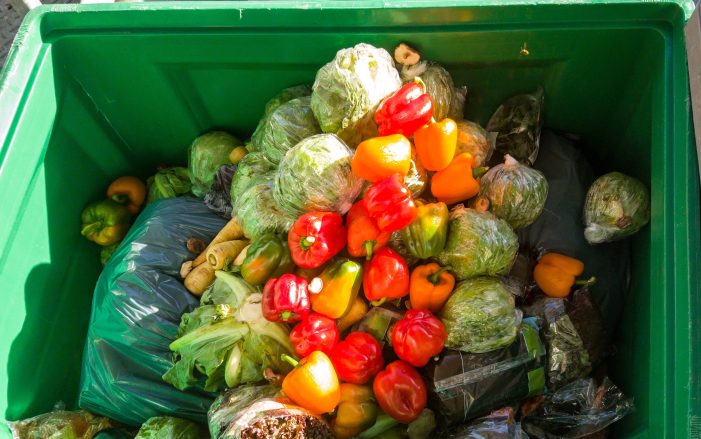
When we think about food waste, what do you imagine? An abundant heap of food tossed into the landfills or throwing out barely expired food from your own kitchen? Well, all of those factors contribute to excess food that gets thrown in the trash which inevitably ends up in our streets, oceans, and clogs up our planet’s resources. Food waste is one of the leading causes of environmental degradation in the world. In fact, excess food waste is an ongoing major global problem and it’s up to us to find solutions to prevent it.
As parents we laboriously cook meals for our children, whether it’s an extravagant meal or something quickly thrown together. We hope our children finish the food off their plates and appreciate what we provide for them on the dinner table. But what happens to all the food that don’t get eaten or cooked?
Why is food waste such a problem, especially in the United States? According to Foodprint.org, the US accounts up to 40% of food wasted and up to 160 billion pounds of food that gets thrown away. Add in to food lost that happens with bad weather at farms, fisheries, and manufacturing facilities, it’s incredible how much valuable food gets lost in the system. Consider that food insecurity is also a major problem around the world, what can one individual do to help prevent food waste?
WHAT CAN YOU DO TO HELP PREVENT FOOD WASTE?
-
Create a Zero-Waste kitchen. Start with planning all your meals in advance and make shopping lists. Check your refrigerator and pantry before grocery shopping. Date certain foods on the containers or if you plan on freezing them. Cycle older foods to the front of the fridge so you can use them up first.
-
Compost. One of the easiest way of reducing your carbon footprint is to compost. While this may not be a miracle saver of preventing food waste, composting helps reduce waste in the landfills and can benefit the plants in your garden.

-
Check the “best by” date, rather than the “expired date”. Many companies have changed their labeling to indicate a best by date since households around the world have various food preservation methods. In the past, food were wasted because consumers were afraid of eating food past the expiration date. Most food can last several days past the expiration date but to be sure, check for any type of mold, discoloration, or foul smell before consuming.
-
Eat out less. Eating out is convenient and easy, but is also a big contributor to food waste. Consider that we don’t necessarily finish everything on our plates or want to take food home to eat later. Even taking food home doesn’t always equate to eating the leftovers. Restaurants waste a lot of food on a regular basis and we can do our best to eat out less whenever possible.
-
Preserve food scraps. What happens to all the scraps of vegetable skins, fruit cores, and excess bones? Try making broths or stock from leftover meat, vegetables, and make jams from fruit skins and cores.
-
Cook proportionally. Oftentimes families cook big meals because they want leftovers. While that may work for some families, for others cooking large portions end up wasted because food gets forgotten in the fridge or children decide they don’t want to eat the same food again. Cook according to your family size and proportion meals to age of your children. Younger children tend to eat less so big portions don’t really work for them.
-
Support local and farm-to-table establishments. Many local eateries are small businesses who thrive on making fresh food and providing local options. Plus, in order to keep their finances in check, these small business restaurants and eateries are careful with what they purchase and produce.
-
Donate. If you do end up with more food than you can eat, consider donating unopened food to food rescue centers. Food rescue center (or commonly known as food shelters) rely on donated food items. If you have canned food that are near the expiration dates, you can donate them to your local food rescue centers. Check ahead if they also take fresh produce as sometimes unpackaged food are not accepted.
-
Grow your own food. The benefits of growing your own food are abundant. You are in control of what you grow, how you eat what you grow, and also giving them away to friends, family, and neighbors. It’s also a much healthier option than store-bought food.
-
Don’t throw away unnecessarily. School-aged children might bring food from home for snacks and lunch. But I’ve witnessed tons of uneaten food thrown away or thrown in the trash after a couple of bites. Teach your children to bring home any leftovers, and pack accordingly to portion size. Remember that school-aged children don’t get a lot of time to eat during school hours, so they don’t need a five-course meal to take to school.
There are many ways to prevent food waste and food lost. Support local farms, contact city and state officials, grow your own food, and talk about the harmful effects of food waste with family and friends. Not only are you helping to prevent food waste, but also preventing wasting money on food that gets tossed out or you changed your mind on. The more we are aware of this devasting concern, the sooner we can help clean up our planet.
***photos provided by Foodprint.org and Shutterstock
Disclaimer: The product(s)were sent to the author for review by the manufacturer/PR. All reviews on “Happymomblogger” remain unbiased and unpaid and are the sole decision of the author. The opinions of these product(s) were not influenced in any way, shape, or form. As always, please read the ingredients carefully when trying new products.
Please read the labels and ingredients carefully and follow all manufacturer’s instructions (if any). The products selected for the giveaway were generously donated by the companies/PR to help readers learn more about their products. The winner’s choice in using/consuming these products are entirely up to the winner and will not hold the author and her family liable nor the companies/PR liable. These products are made with non-toxic ingredients but always be safe with what you use and consume.
 http://www.topmommyblogs.com/blogs/in.php?id=storm
 Happymomblogger