
Growing up with my parents was a real eye opener. It wasn’t until later when I had my own child that all the things I did in my youth would later transfer to my role as a parent. Sometimes the most difficult lessons to learn isn’t until later on in life; rather, it’s through all the experiences you gained while growing through your own process.
My dad came from a farming and medical family so everything he learned was through hard labor and a thriving dedication to have food on the table. What he taught me in growing my own food to learning how to increase the harvest every year has helped me tremendously in my adult life. My mom came from a diplomatic family, and being resourceful and thorough taught me to be more conscientous and mindful of my choices.
We can all make choices in our daily lives to live more sustainably. But what does it really mean to live a sustainable life? We live in a world where convenience comes a close second to personal freedom. And while convenience is necessary in most instances, it is through these conveniences that we tend to forget how wasteful everything can be. If you look at worldwide pollution, you can see how wasteful this world has become. We live in a plastic world full of convenient and unnecessary packaging of products. And while we can get practically anything shipped to us from around the globe, we should really stop and think how much of these products affect our lives.
I fall prey to convenience as well as the next person. It’s easy to grab a bottled water at Starbucks or order takeout every day. Who doesn’t like convenience? But it’s exactly through these mundane acts that lead up to unnecessary waste and pollution.
Before the end of the year, let’s look at some ways our actions can impact less waste around the world, and most specifically in our community.
10 Ways to Live Sustainably:
1- Start at HOME – Find at least 3 things you can do to eliminate extra waste in your home. Small steps can lead to a bigger impact: 1- You can reduce your carbon footprint by buying a water filtration system instead of buying single use plastic water bottles. 2- Set a timer for showering to reduce your water consumption. Experts suggest at most 5 minute showers are enough for the average household. 3- Check your refrigerator and pantries for food before grocery shopping. It’s easy to forget we bought those extra bags of potato chips or those containers of strawberries that are hiding in the back of the fridge. Do a food checkup to determine what you really need and eliminate food that your family will not likely eat.
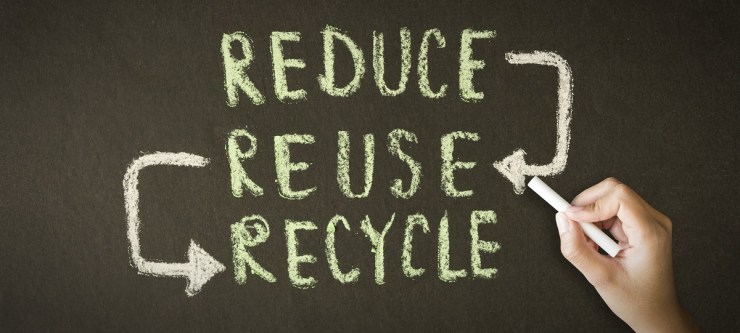
2 – Sustainable WORK PLACE – Whether you have your own office, work at home, or sit in a tiny cubicle, there are many ways to do sustainable acts at your work place. Choose reusable water bottles that are insulated for extra cold or hot beverages, walk to work or carpool as often as possible, and put in recycling bins in the offices/buildings and encourage people to recycle their aluminum cans, glass bottles, and plastic bottles. See if management will allow other ways of recycling such as paper recycling, ink and toner recycling, and so forth. Check out Plastic Free July for more inspiration: https://www.plasticfreejuly.org/resources/solutions/
3 – Do a WHOLE house audit – There’s no such thing as a perfectly sustainable house. If you live in a house, you’re going to use electricity, water, gas, and any other utility. But do you want to know how to reduce your utility bills? Try a whole house audit to find out where you can reduce, or eliminate unnecessary usages: https://earth911.com/home-garden/home-energy-audit-basics/
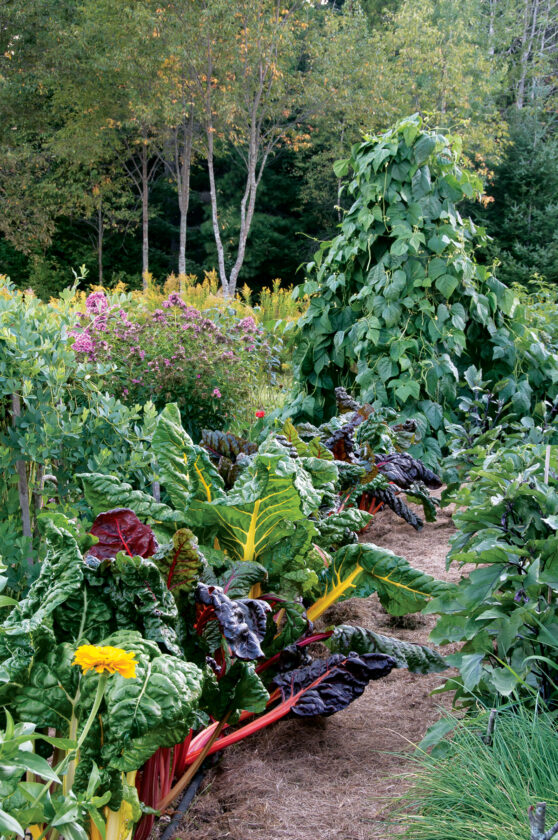
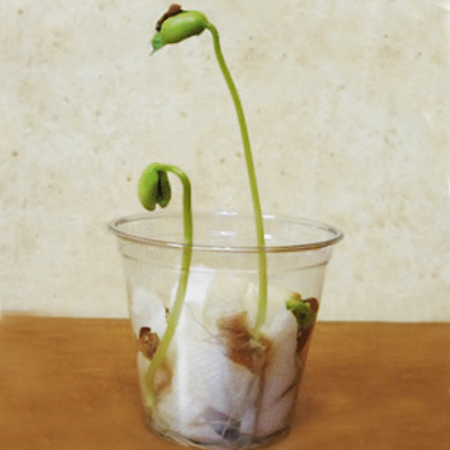
4 – Start a GARDEN – Gardening is truly one of the easiest ways to reduce waste and improve your carbon footprint. You don’t have to live on a 10-acre farm or have a green thumb. You can start a space-saving garden with planter pots or find a small patch in your backyard. Start off with starter plants to get your gardening groove going. Easy to grow plants are herbs, seasonal vegetables such as radishes, carrots, and beans, and small or dwarf citrus plants. Once you’re accustomed to growing your own food, you can escalate your skills by growing from seeds and propogating your plants. Find out your planting zone for best crop results: https://www.almanac.com/what-are-plant-hardiness-zones
5 – Reduce PLASTIC WASTE – While plastic has many benefits, they can also cause detrimental damage to our planet. You’ve probably already heard and seen plastic pollution waste in our oceans, our landfills, and even in your neighborhood. Single-use plastic waste is buying and using a product that can not and should not be reused, or more importantly, they are made to last through only one use. Their life cycles are tremendously long and do not break down easily. Plus the danger of microplastic leaking into your containers can be a health risk as well. You can reduce your plastic waste by bringing your own beverage containers at coffee shops, buy loose produce instead of ones already packaged, and bring your own reusable grocery bag or tote. These are all simple and effective ways of reducing plastic usage.
6 – Start a SCHOOL ECO CLUB – Young children have bright futures and big ideas. Give them the opportunity to help their planet by starting an environmental club. Whether it’s in elementary school, middle school, high school, or even college, kids can benefit by learning how to take care of the environment and teach others the same concepts and skills. A great place to start is with Grades of Green (https://gradesofgreen.org/who-we-are/), a non-profit, education and project based program that helps schools around the world become more eco-friendly.
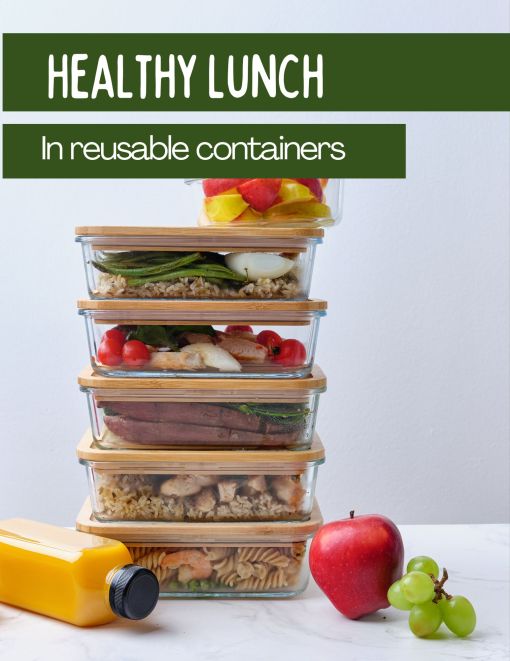
7 – EMPOWER Yourself – If you encounter people who scoff at you bringing your own lunch instead of ordering takeout, or argue that global warming is a hoax, then it’s time to empower yourself. Fact-based data is one of the best ways in proving your stance, but you can also tell people to look around their own environment to see that waste and pollution is all around us. You can make your own choices in how you want to be more environmentally aware and in turn, help others understand the need to do so.
8 – Say NO to extra packaging – If you walk into a local grocery store you’ll most likely find fruits in plastic packaging, vegetables wrapped in plastic, and bags upon bags of convenient foods. It makes me sad when I see vegetable wrapped in plastic, because they are most likely shipped from somewhere far. Do we really need our cucumbers to be wrapped in plastic or bell peppers jammed inside a plastic container? We can easily pick our own fruits and vegetables in the produce section, and in doing so, it tells stores and manufacturers we don’t want our fresh produce to be unnecessarily wrapped. Be sure to bring your own cloth produce bags for fresh fruits and vegetables, and bulk bins whenever possible.
9 – UPCYCLE What You Have – As consumers we have the power to choose what we want to buy and which brands to support. As convenience goes, it’s easy to throw something out and buy a new item the next day. But before you throw something out, think whether it can be upcycled. Upcycling is a form of repurposing what you have to give it a second or third life. Clothing are easily upcycled and swappable. For instance, you can turn your old t-shirts into tote bags and cleaning cloths. Other ways of upcycling include turning milk cartons and plastic containers into seed starters, or paint them to hold pens and pencils. If you’re a skilled crafter, you can upcycle old furniture into something new. You can find many things to upcycle if you just look around your house. For more upcycling ideas, be sure to check out Pinterest.
10 – RECYCLE and DONATE – The last resort to living a sustainable life is to recycle and donate what you have. Recycling isn’t always the best option, but it is one of the options to living a sustainable life. Check your local municiple to see where recycling centers are and find out what you can recycle there. You can also donate your gently used goods for others who might need them. The best places to donate your items are at school fundraiser drives, thrift stores, and non-profit charities who usually end up giving your donations away for free instead of selling them.
Living a sustainable life doesn’t mean giving up what you love. It’s about making responsible and conscientious choices that benefit yourself, your home, and the planet. Start with these simple 10 ideas and soon you’ll find other ways to increase your sustainability efforts.
*photos courtesy of Earth911.com
Disclaimer: The product(s)were sent to the author for review by the manufacturer/PR. All reviews on “Happymomblogger” remain unbiased and unpaid and are the sole decision of the author. The opinions of these product(s) were not influenced in any way, shape, or form. As always, please read the ingredients carefully when trying new products.
Please read the labels and ingredients carefully and follow all manufacturer’s instructions (if any). The products selected for the giveaway were generously donated by the companies/PR to help readers learn more about their products. The winner’s choice in using/consuming these products are entirely up to the winner and will not hold the author and her family liable nor the companies/PR liable. These products are made with non-toxic ingredients but always be safe with what you use and consume.








 Happymomblogger