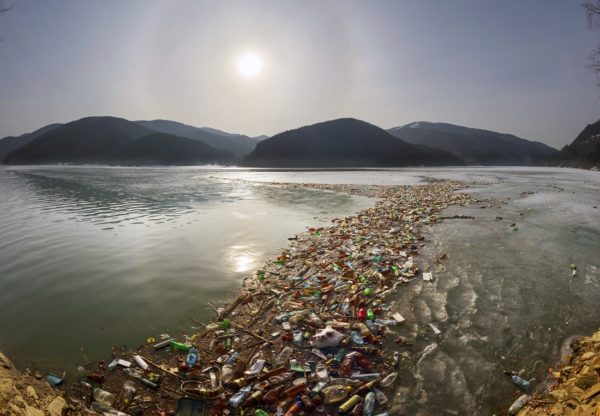
Weatherproof Your Lifestyle: Tips for Remote Workers Navigating Climate Change

From time to time I post guest articles with interesting topics related to my blog. Today’s guest article is written by Larry Waters, owner of the gardening and horticulture website called Sow Sustainability (https://sowsustainability.com/).

Climate change is one of the most pressing issues of our time, and it’s having an increasingly large impact on humans around the globe. For some, this may mean relocating due to climate change-related events like rising sea levels or extreme weather. If you’re a remote worker considering a move for these reasons, Happymomblogger has some tips that can make the process easier.

Make Immediate Lifestyle Changes

As part of your relocation process, start making immediate lifestyle changes to reduce your environmental impact. This can be as simple as using carcinogen-free cleaning products or replacing incandescent light bulbs with energy-efficient LEDs. These small steps can make a big difference in preserving the environment while also saving you money in the long run.

Research Potential Locations and Their Respective Climates

Research potential locations and their respective climates before making any final decisions on where to relocate. Consider factors such as average temperatures, access to natural resources like lakes and mountains, and whether or not any extreme weather events occur regularly in the area. All of these components should be taken into account when deciding where to move.

Convert All Real Estate Information as PDFs and Use Free Online Tools To Edit Them

If you’re in the real estate industry, you know how crucial it is to keep track of all the information related to your properties. A great way to do this is by converting all real estate information into PDFs. With PDFs, you can easily store, manage, and share information with your team and clients. Plus, PDFs are compatible with most devices, making them convenient for everyone involved. To take it a step further, try using free online tools to edit your PDFs — click for info. These tools make it easy to update and revise your documents in real-time, without the need for expensive software. Click for info on how to start converting and editing your real estate PDFs today.

Network with Current Residents

Networking with current residents is a valuable source of information for those planning to move to a new place. They can provide insights on local recommendations, schools, job opportunities, and climate change-related events that they have experienced first-hand. This information can help one prepare for their move and make better decisions.

Forming Your Own LLC

Establishing an LLC in California can help reduce taxes and control your workplace carbon footprint while providing more business stability than freelance work. This provides an advantage during uncertain times like those caused by climate change-related events such as flooding or hurricanes. Overall, an LLC can offer significant benefits for those looking to maintain a sustainable and stable business.

Analyze Cost of Living

Analyzing the cost of living should include considering various expenses such as housing costs, public transportation fees, and food expenses. The assessment should cover daily life expenditures that may have an economic impact on an individual. This research aids in assessing the total cost associated with relocation if the need arises due to climate change-related events occurring near the current place of residence or workplace.

Look For Homes With Energy Efficient Appliances

One way to promote sustainability in a new home is by looking for energy-efficient appliances when searching for homes. Energy-efficient appliances can reduce electricity bills and overall environmental footprint. Newer designs offer better insulation and reduced electrical usage, resulting in lower costs while still providing the same level of functionality.

Look For Public Transportation That Helps Cut Down On Emissions

To help reduce emissions and contribute to the preservation of the environment, it is important to consider public transportation options available in the area. Using buses or trains instead of private vehicles can significantly decrease the number of pollutants entering the atmosphere. One can plan accordingly to ensure one can get around town while prioritizing environmentally-friendly transportation options.

Weatherproofing your lifestyle as a remote worker is crucial in navigating the impacts of climate change. By implementing the tips provided in this guide, such as preparing for power outages and investing in appropriate weather-resistant gear, remote workers can minimize disruptions to their work and maintain productivity. Ultimately, adapting to changing weather patterns is essential to a successful and sustainable remote work lifestyle.

*images provided by Pexels

Editor’s note: opinions, views, and stats are provided by Larry Waters and are not directly affiliated with Happymomblogger’s website. This article was written without monetary compensation.

Disclaimer: The product(s)were sent to the author for review by the manufacturer/PR. All reviews on “Happymomblogger” remain unbiased and unpaid and are the sole decision of the author. The opinions of these product(s) were not influenced in any way, shape, or form. As always, please read the ingredients carefully when trying new products.

Please read the labels and ingredients carefully and follow all manufacturer’s instructions (if any). The products selected for the giveaway were generously donated by the companies/PR to help readers learn more about their products. The winner’s choice in using/consuming these products are entirely up to the winner and will not hold the author and her family liable nor the companies/PR liable. These products are made with non-toxic ingredients but always be safe with what you use and consume.

http://www.topmommyblogs.com/blogs/in.php?id=storm

EARTH MONTH 2023 – Ditch Perfection and Embrace Action

April 22, 2023 is officially Earth Day. However, during the month of April you’ve probably heard the phrase, “Earth Day is Every Day” throughout social media, news outlets, and so forth. Well, no truer words can be said than how we embrace Earth Day, or Earth Month. Each year we learn something new, something that enlightens us on how we can help this beautiful planet and all the living things on it. While there are still skepticism on whether climate change is real, the bold truth lies in what you see around you and the environment you live in. Why there are fluctuating climate changes year after year is an indication that Earth is shifting and changing from the actions of her inhabitants. But there is also good news! According to an United Nations report, Earth’s ozone layer is slowly healing itself, due to drastic climate actions taken all over the world. It is estimated to heal in about 43 years as long as we continue on the path of restoring our precious planet.

You might wonder…well, how can I save the planet? I’m here to tell you…no one person can do that job. And no one can do it perfectly either. All it really takes is one small action, which will eventually lead to many small actions. We don’t have to spend tons of money buying an eco-friendly product, or ditch our gas powered cars to buy electric. We don’t even have to spend any money to be more environmentally friendly. We just have to take ACTION!!!


For some, being environmentally aware is a journey. For others, it’s a fast action, momentary clarity. Where you might fall in between is probably the easiest and most accessible to everyone. We can start our journey with a couple of earth saving tasks, such as using reusable grocery bags instead of store plastic bags. Then, as we see the changes that could make, we can add a couple more tasks. Below, I’ve listed 10 ways one can begin their journey. We don’t have to do things perfectly. We just have to take action with one small step.

DITCH PERFECTION AND EMBRACE ACTION:

1 – Look around you as you begin your journey. Do you live in an area where litter is practically everywhere? Or are your city workers diligently and regularly cleaning up litter and debris? It doesn’t matter where you live – there will always be trash and litter left on the roads, in beaches, and business areas. Strive to pick up litter when you see it. You don’t have to tour the whole city to do so – you can start with your area and instantly see the changes.

2 – Start within your Community. The best place to start is where you live. Gather your friends, family, and co-workers and choose places where you can do cleanups. Make it a weekly activity and help your community be more aware of climate action.

3 – Start at home. Your home is probably where you have the most control…and the most challenges. Getting your whole family on board to be more environmentally aware can be a challenge if anyone has opposing views. But keep it simple – start by recycling your plastic and aluminums. Sort your food waste from your regular waste. Some cities throughout the US has strict rules on how to recycle and what to recycle, so check with your city’s municipal and/or trash services.

4 – Choose to buy responsibly. Where you put your money can determine how businesses will act. Don’t want to spend money on plastic waste? Support businesses that create products meant to help the environment. Not sure what to do with a closetful of clothes you’ll never wear again? Think about what to purchase the next time you want a new shirt or pants. 

5 – Choose organic. The word “organic” has been around for many years and there were some ambiguity in the beginning. People thought they were being “green-washed” into buying organic while not really knowing where the products were made or how they were made. Companies were jumping on the bandwagon with easy terms such as “made with organic ingredients” or “all-natural”, and inevitably caused confusion for real brands who were producing responsibly. Always check the labels and ingredients and better yet – do some research on the brands you buy from.

6 – Grow your own food. You don’t need a green thumb to grow food at home. There are many easy to grow plants that can be grown in pots or the smallest of gardens. Growing your own food reduces the carbon footprint of food shipped to stores. Your food is right in your own home, so you can choose what you want to grow based on what your family eats. The easiest plants to grow for food are: radishes, snap peas, cucumbers, lettuce, beans, and carrots. Start off with seeds to sow in your garden or planter, or buy organic and locally grown seedlings at garden centers. Growing your own food is also healthier and create an eco-system that helps pollinators and biodiversity.

7 – Zero waste/Less Waste. You don’t have to go completely off grid to be more eco-conscious. Being zero waste isn’t achievable for everyone, but reducing waste can be achievable for almost everyone. Consider what you’re buying and why you’re buying it. If you have children then that can be difficult to do, but not unattainable. The next time you buy something, seriously think about the absolute need for it. Can it be recycled or reused? Can you keep it for many, many years?

8 – Contact your lawmakers. Government who makes laws to help or hinder the environment needs to hear your voice. After all, we elect these officials and help pay their paychecks, why not make them work for us? Contact your legislators, congress, and your governors. Write letters, make phone calls, and attend public hearings when possible.

9 – Reduce Waste at school and workplace. Besides being more eco conscious at home, take on climate action at your school and workplace too. Check to see if your school and workplace recycles bottles and cans, recycle paper, reuse paper, and have a trash sorting program. 

10 – Teach your children. Kids are the future and their actions to help the planet can start as young as possible. Ideas to get your kids and whole family on board:

  • start a trash sorting system where you sort food for Compost, regular trash, and any recyclable bottles and cans. Then be sure to dump them correctly and/or take them to recycling centers.

  • pack school lunches in reusable containers and make a habit to do so each time.

  • teach your children that it isn’t necessary to have new toys all the time. Trade toys with their friends or family members, buy gently used toys, or buy from brands that use recycled materials.

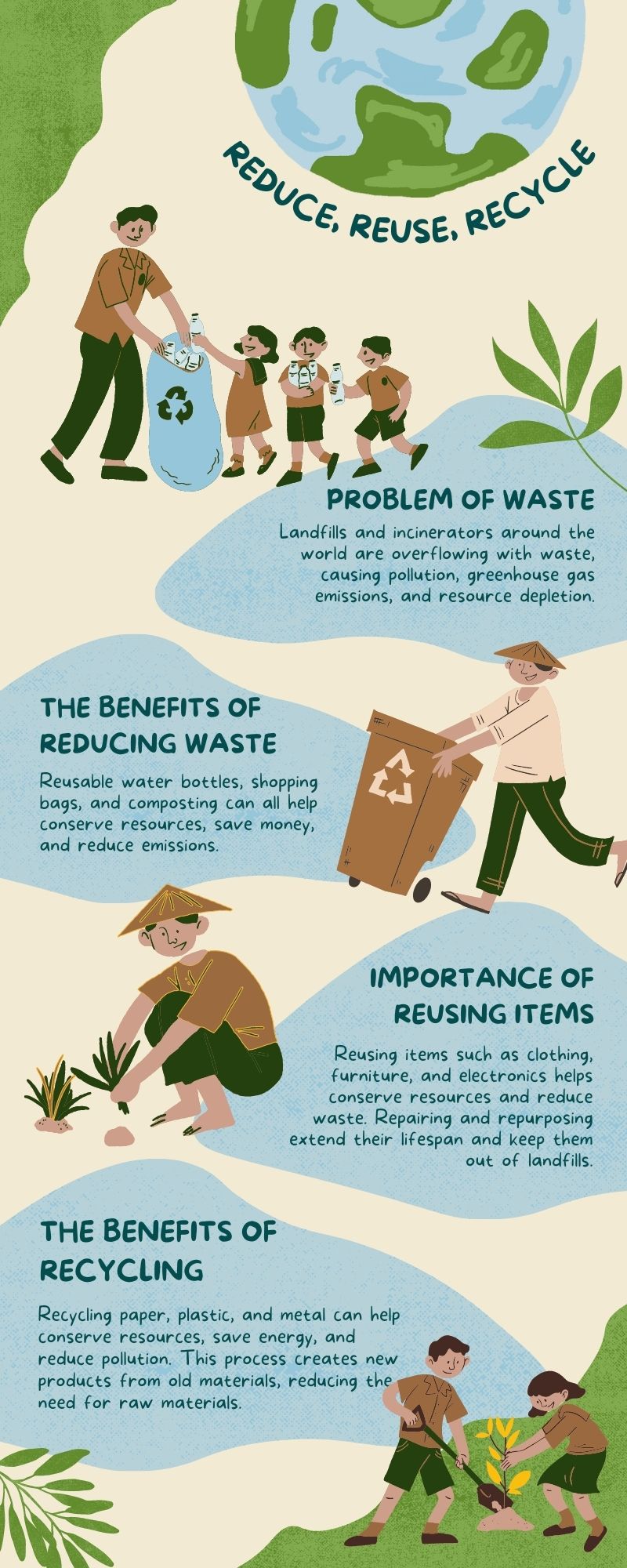
When it comes down to reality – it truly isn’t difficult to help the planet. The 5 words you can remember when you’re stuck in a situation are:

  • REDUCE, REUSE, REFUSE, RECYCLE, REPURPOSE

Happy Earth Month and let us know how you’ve helped the planet!!!

The Top 10 Earth Day Events of 2023

Disclaimer: The product(s)were sent to the author for review by the manufacturer/PR. All reviews on “Happymomblogger” remain unbiased and unpaid and are the sole decision of the author. The opinions of these product(s) were not influenced in any way, shape, or form. As always, please read the ingredients carefully when trying new products.

Please read the labels and ingredients carefully and follow all manufacturer’s instructions (if any). The products selected for the giveaway were generously donated by the companies/PR to help readers learn more about their products. The winner’s choice in using/consuming these products are entirely up to the winner and will not hold the author and her family liable nor the companies/PR liable. These products are made with non-toxic ingredients but always be safe with what you use and consume.
http://www.topmommyblogs.com/blogs/in.php?id=storm


From my lips to your heart

There comes a time in our lives when we have sort of have an awakening, of sorts. It might be when you’re driving during heavy traffic or even sitting on the couch watching TV. Some call it an epiphany, some call it an eye opener. But however you come upon something, it’s like a whole new chapter is revealed.

In my many years of experience working with children, I’ve come across various personalities and characters. There are kids who are loud and confrontational, to the ones who will sit there quietly and stare at you until one of you blinks – and most of the time it’s you, the adult. But perhaps the most delightful characteristic of children is their ability to absorb everything around them. I call them sponges because they can soak up almost anything that they see and hear. 

With all that has been going on in the world, in particular the awakening of injustices, do children really understand what is happening? Depending on the age, they might see it on TV, hear it from their friends, and even see it on social media. And while we can’t protect our children forever, we can only hope to guide them into making the right choices when they’re older and living on their own.

Working at an elementary school has really helped me learn more about myself. Because I work with young children, I have learned to speak slowly and really pay attention to what they’re saying and doing. Education in early childhood can only take you so far, because the personal experiences you receive teaches you so much more.

How do we teach our children to be more accepting of others and of themselves? How can we be more accepting of ourselves and others? Inevitably, the path to teaching kids to be more acceptive starts within ourselves. Yes, it might not always be easy or feasible, but the whole point is to start the conversation with our kids and perhaps, have that same conversation with ourselves.

Allyship – the state or condition of being an ally. You’ve probably been hearing this uncommon word being used more often of late. The awakening of the police injustice, the social injustice, and the climate change all led us to see what has been happening around us. But how do we become an ally? In simple terms – ally is the base word for friendship. Kids have allies their entire childhood. So teach them while they’re still young, that being an ally to someone is the first step to understanding the other side of an opinion.

Words to use for being an ally: friend, kind, like, protect, care. 

Educate – give intellectual, moral, and social instruction to someone. The word educate is all-encompassing. When we educate ourselves or others, we are either giving them information that could hurt or help them. When it comes to education in school, our kids are learning as much as they can with what is given them. But we also depend a lot on teachers and administrators to provide the skills necessary to succeed in future careers. Oftentimes however, parents also depend on teachers to teach their kids how to be human beings. I know that sounds odd, but we shouldn’t solely rely on educators to teach our kids about morals and ethics.

Words to use when educating: learn, teach, grow, adjust, expand, patience.

Justice – the quality of being just; righteousness, equitableness, or moral rightness. Lawfullness. Moral principal. When we think of justice, are we thinking of the opposite of that? Or are we so strung onto the word “justice” that we might forget that the act of justice might directly oppose what we are fighting for? You might hear the word, “social justice warrior” on the internet. That’s actually a derogatory statement as if inferring that those who fight for social justice need be labeled. We want our children to learn the true meaning of justice. It isn’t going onto TikTok and making a meme of the word. It isn’t going on Instagram and hashtagging the word “justice” just to get likes. It is the belief that when we inherently feel something isn’t right we must do something about it. It doesn’t have to be a dangerous act or even a brave one. Just the start of realizing the injustice of something is a good beginning.

Words to use for justice: peace, equal, fair, guidance, morals, lawful.

Climate Change – a change in global or regional climate patterns, largely from increased levels of atmospheric carbon dioxide produced by the use of fossil fuels. Climate change, or the newest term – climate crisis – is something everyone who lives on this planet should take note of. But far too many people use the term for political gains or arguments. Why are we even arguing about the planet we live on when we are actually living on it? It’s not your neighbor’s problem. It should be everyone’s problem. It’s not just refusing single-use plastic straws. It’s refusing to allow companies to provide us with unnecessary attachments to convenience. The effects of climate change can go on for many years until something even more drastic will happen. That’s why our kids are the best to learn about climate change and help to reverse the detrimental damages. How do we do that? By allowing them to be the change. To be aware of how Earth is being affected. To see how the Earth’s atmoshere is also affecting the planets surrounding it. One of my most favorite website to learn more about our planet is Earth911 (www.earth911.com)

Words to use when talking about climate change: environment, earth, protect, heat, ice, critical, injustice, animals.

Social Justice – the concept of fair and just relations between the individual and society. Examples of social justice are discrimination, ageism, and homophobia. In order to have social justice in our world, we must all work towards understanding and accepting diversity in our communities and country. We all face social injustice at one point in our lives. Whether it’s our gender, our age, our race, or even what clothes we wear. But it doesn’t have to become a fight or turn into hatred. If you look at very young children, you’ll notice that they don’t inheritantly discriminate against someone. That is because most discrimination is taught or learned. If we lived in a just society, then we would most likely all be happier. But human nature prevents us from doing so and that whole debate of whether a behavior is genetic or learned can speak so true in human behavior. 

Words to use when talking about social justice: equality, peace, understanding, fair, opportunities.

The real factor in all of this is to start a conversation with our children or even our adult friends and relatives. In order for there to be positive changes, we must allow our children to believe in what is right and just. We must let them see the dangers of exclusivity. And we must show children that we can use fair judgement and integrity when we act upon something.


Disclaimer: The product(s)were sent to the author for review by the manufacturer/PR. All reviews on “Happymomblogger” remain unbiased and unpaid and are the sole decision of the author. The opinions of these product(s) were not influenced in any way, shape, or form. As always, please read the ingredients carefully when trying new products.

Please read the labels and ingredients carefully and follow all manufacturer’s instructions (if any). The products selected for the giveaway were generously donated by the companies/PR to help readers learn more about their products. The winner’s choice in using/consuming these products are entirely up to the winner and will not hold the author and her family liable nor the companies/PR liable. These products are made with non-toxic ingredients but always be safe with what you use and consume.

http://www.topmommyblogs.com/blogs/in.php?id=storm