

Summer vacation is quickly coming to an end and while kids throughout the world are screaming, “Noooooooo!”, their dramatic display of dismay and disappointment evident on their sad little faces. Perhaps it’s the realization that they could no longer stay up to whatever time they want or the trepidation of a new teacher and new classmates. Regardless of their sheer terror, there is hope for a fearless and fun new school year.
Okay, maybe not so dramatically played out, but all the kids my son knows are trying to soak up as much of the lasting rays of the sun as they could. I, myself, hanker to stay outside as late as possible for once school starts, it’s back to bustling morning to night until we count down the days till the next vacation break.
As we prepare for getting back to school – from shopping for supplies and food to getting our bedtime schedule back on routine – there are ways to make this transition smoother and healthier. Below are some ideas and tips for a healthy and happy new school year, for both kids and parents.
Smart foods = Smart students:
Food is one of the most important aspect in being healthy and staying healthy. For kids especially, eating the right kinds of food is essential to a healthy mind and body. While a majority of whole foods are important for a developing mind and body, there are specific types that are extra helpful for children. Here are the following types:
Berries – Berries are full of healthy antioxidants, vitamins, minerals, and fiber that are essential for a growing body and mind. Plus, most of them are super sweet (naturally of course!) so they are an easy snack for kids to choose and eat. Best berries include blueberry, blackberry, goji berry, and raspberry. Try berries as toppings for yogurt, ice cream, waffles/pancakes, blended into smoothies, and just by themselves. When possible, buy berries organically as their tender fruit and skin are susceptible to insects and might be sprayed with toxic pesticides.
Eggs – Eggs don’t get as much accolade as they should. But eggs are full of healthy and yummy benefits that anyone can enjoy. Plus, eggs are considered one of the most nutritious and cleanest form of protein available. Top health benefits for eggs include Vitamins A&B, Folate, and Selenium, as well as other important vitamins such as D,E, and K, and a good amount of Calcium. Eggs can be eaten and prepared in many ways such as fried, hard-boiled, in salads, scrambled, and any way your child would eat them.
Nuts – Nuts contain a good amount of healthy fats that are essential for the heart, blood, and brains of a growing child. Certain types of nuts are easier for kids to eat so keep in mind which ones they like and give them tons of them! Almonds are popular and very versatile and contain calcium and Vitamin E so they’re great for kids who don’t eat a lot of milk dairy. Try almond milk or crushed almonds sprinkled over food. Other nuts that are fun to eat are walnuts and pecans as they are great in baking recipes.
Rest is Best:
My child hates to sleep. Or rather, he loves to stay up as late as possible, smashing our buttons until we finally have to “threaten” him to go to sleep. If your kid is adamant about staying up instead of going to bed, then know that school-age children need at least 9-11 hours of sleep each day. Proper sleep is needed for a child’s mind to grow properly and to prevent sicknesses and irritability. Consider that having less than 9 hours of sleep for a 9-year old can make him extra cranky as his body is still adjusting to time changes, shift in moods, and growing hormones. Stick to the bedtime routine so that kids can learn the importance of a good nights rest. For an updated recommended sleep chart, check out the CDC website: https://www.cdc.gov/sleep/about_sleep/how_much_sleep.html
Healthy Play:
We all know that playtime is important for kids. It gives them a chance to grow their brains and their bodies. And it gives parents a much needed breather. But sometimes having too much of one activity can overwhelm a child’s brain, sort of like eating only one type of food or liking only one movie and nothing else. It’s good for kids to expand their horizons a bit and depending on the age, find activities that suit their growing needs and interests. Plus, extra curricular activities help boost a child’s confidence as it teaches them control and self-awareness. For children ages 3-5, try enrolling them in a fun dance or gym class; for ages 6-8, sports for both individual or groups help define their motor skills; for ages 9-12, music, science, engineering, art, and any other activity that can increase their interests and challenges them to learn more than what’s taught in school; ages 13-16, after school neighborhood jobs such as yardwork for a neighbor or dog-sitting involves the kids to learn about human interaction and giving their time and attention to others.
If you don’t want your child to be stuck behind a screen right after school however (unless it’s part of their school work), then involve their help in prepping and making dinner. If they have a lot of free time, set time limits on screen time, as electronic activities do not generally have their own time stamp. You can literally be on the internet for hours or play video games without knowing how much time has passed.

De-cluttering for You and Me:
A very wise teacher of my son’s once told me that the minute school ends, go through all of the leftover papers that your child brings home and start clearing away the clutter. If you hold onto all the homework, artwork, and anything else they bring home thinking it’s nostalgic, then consider that by the time your child reaches high school, you’d have collected hundreds of paper from school.
Schoolwork – Keep last year’s school work organized by categories. Keep awards and certificates as they are memorabilia of their personal achievement and determine whether 100% test scores and A+ papers are necessary. If you do need to keep them, then take photographs of these excellent papers and store them on a Cloud or a flash drive. Artwork can get overwhelming depending on the age and grade, so keep only a few that have special meaning to your child (and you) and photograph the others. Or, you can turn them into photo journal books from sites such as Shutterfly.
Toys – Kids will inevitably tell you that no, they do not want any of their toys thrown away! But as children grow older, so do their interests. Before school starts, go through all the toys that your child doesn’t want or need and either donate them, sell them, or throw them away (depending on the condition). Or, you can pull off the old trick that most (moms) do, and that’s throw away the “forgotten” toys while the kids are at school. Believe it or not, your child probably won’t even remember that old stuffed animal that’s buried underneath her toy chest or the missing pieces of a puzzle.
Clothing – My most favorite thing before school starts is to shop for clothes. Mostly for my son of course, but heck, I like to shop for back to school mommy clothes too! The fun part of back to school clothes shopping is seeing all the new styles and excited (yet melancholy) that your child is growing up. But what about all the clothes that no longer fit? Sort through ones that don’t fit but are still in good condition to donate away. If there are pieces that still fit and just missing buttons or so, fix them right away so they don’t become an eye sore or a chore. Throw away clothes that have holes or have been washed too many times and lost their color and fit.
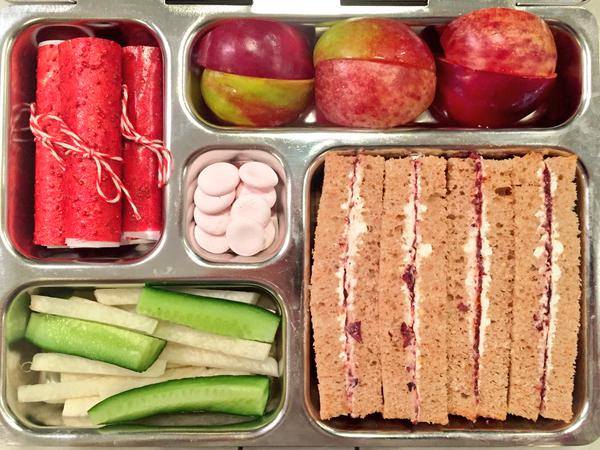
Lunch Sanity:
If your kids are still at the age where they can’t pack their own lunch, then making lunches every day can be quite daunting. Red Tricycle has some great tips on lunch hacks that I’m going to be using this school year: http://redtri.com/lunchbox-hacks-to-help-parents-survive-the-school-year. And check out Weelicious: https://weelicious.com/
If your child is tired of the same go-to lunches (like mine is), then change it up every week. If you simply don’t have the time/money/resources, then have your child buy school lunches now and then, or bring them a special lunch from their favorite restaurant.
Keep in mind that for the sake of the environment, the school, and health safety, pack your child’s lunch in reusable lunch containers (such as glass or stainless steel, or even BPA-free plastic) and buy various sizes and shapes for different types of food.
If lunch food is a constant battle then bring your kids grocery shopping where they can choose what they’d like to eat for lunch. Lunch at school doesn’t have to be a struggle or daily argument or even wasted. If your child eats a big breakfast or dinner then most likely he doesn’t need as big a lunch. Pack some lighter snacks to keep his energy up until pick up time. Just remember to pack healthier snacks so that unnecessary sugar and sodium don’t give them false energy.
Homework:
Some schools in certain countries have integrated the no-homework policy. While I have mixed feelings about that, it’s still important that children grasp what they are learning at school. You could be the parent that insists their child have extra tutoring after school to help them exceed in class, or you could simply just let them do what they brought home from school so they can play until bedtime. Depending on your own child of course, homework can either be a battle or a joyous event. I’ve listed a few tips that teachers have told me throughout the years that hopefully you can incorporate:
– Create a homework station for your child. This would be somewhere quiet but not too far away from the main hub of the house that you don’t know if they’re goofing off or truly studying. The station should include a desk (or enough desk space if you’re using your dining table), extra pencils, pens, and erasers. Blank pieces of paper or notebook, and enough lighting so they don’t strain their eyes.
– Sometimes a healthy and delicious snack could be the motivation to get them started on their homework. This could be sliced fruit, yogurt, or granola bars. Just be sure to keep it simple and not too filling so they aren’t tired from too much food before dinnertime.
– Whatever works best in your household is fine for your child, but some teachers suggest starting homework before dinnertime. This gives them time to relax after school or if they have an after school activity and leaves them enough time for play and relaxation before bedtime and after dinnertime. When kids start their homework after dinnertime, they can be too tired or high strung and wishes to push off their homework.
Going back to school should be an exciting adventure for your child. It can be hard to get back to the flow of things of course, but when you have a plan and set a routine, then the transition from summer time to school time will be a lot easier for you and your child.
Disclaimer: The product(s)were sent to the author for review by the manufacturer/PR. All reviews on “Happymomblogger” remain unbiased and unpaid and are the sole decision of the author. The opinions of these product(s) were not influenced in any way, shape, or form. As always, please read the ingredients carefully when trying new products.
Please read the labels and ingredients carefully and follow all manufacturer’s instructions (if any). The products selected for the giveaway were generously donated by the companies/PR to help readers learn more about their products. The winner’s choice in using/consuming these products are entirely up to the winner and will not hold the author and her family liable nor the companies/PR liable. These products are made with non-toxic ingredients but always be safe with what you use and consume.
 http://www.topmommyblogs.com/blogs/in.php?id=storm
 Happymomblogger