We can accept your child now

Has there ever been a time where you were judged, critized, and basically blamed for every tiny infraction as a mother? Is it not enough we judge ourselves and live in perpetual self-doubt? But what happens when other people – whether they know you or not – shake their heads when they feel you are not doing something right in their heads? It’s not easy being a parent, but being a mother carries far more weight than a father would.

Most people might agree that motherhood begins when the baby in your womb starts growing. The connection is almost instant for most women and after you feel that little kick in your stomach, your entire world aligns with the stars. Which is why when others start judging and critizing how moms should raise their own children, you realize that you live in a world of blame first; accept after.

I come from a family that is pretty accepting of me. While my own parents might have pushed me to go beyond my limits as they had with my siblings – the after effects of being Asian and living the stereotype – they were still able to let me be who I wanted to be, albeit some fighting and tears throughout the years. When I got pregnant with my son, after a miscarriage and more self-doubt, I heard practically every advice thrown at me. Most of them from other moms, but mostly enough where I really doubted whether being a mother was really worth it. Now, after many years of growing pains for both my son and I, I shudder to think how I could have ever doubted myself in the beginning. It hasn’t always been an easy and smooth road, but being a mother and parent will never be a dull job.

As I watch my son grow from a toddler to a preschooler to a pre-teen, I often reflect on why I listened so intently to other people’s advice. That old adage of not judging others lest you be judged yourself can come in handy whenever someone else criticizes how you should parent your own child. Goodness forbid they criticize your child in front of you! And as I parent my child through the joys and turmoils of our lives, I’ve come to appreciate my own mom even more. They say eventually you’ll become your own parent. While that may be a blessing for those who had GREAT parents, others might not see it as a benefit.
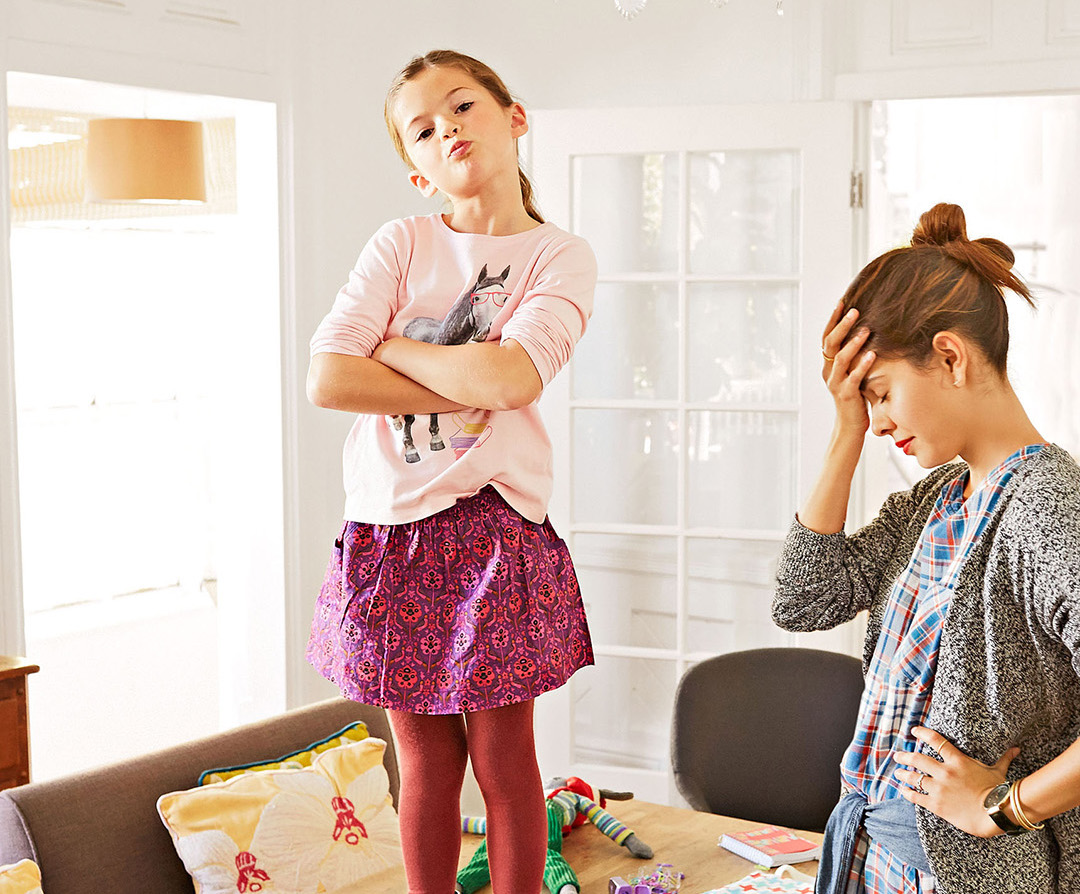
So what should we do when others deem it their personal responsibility to judge you for your motherhood? Etiquette leaders might tell you to just smile politely and accept their criticism. The more involuntary reaction might be to instantly oppose that judgment – and you have every right to since you are the parent – not the other person. But if these criticisms are done in front of your own children then you might need to take a step back and think how your answer will affect your child. They will see and hear your reaction and quite possibly learn from it and imitate the behavior later on.

During these uncertain times with the global pandemic, the intense climate fluctuations, police brutality brought to light, and ongoing injustices, being a parent is even harder than before. And now, with most states doing online distance learning, most parents have no other choice than to stay at home and monitor their children while learning through Zoom. And even moreso when you have children in similar age ranges, the chaotic lessons and keeping track of all their teachers can leave all of us wishing school wasn’t so hard. Essentially, we are attending school with our kids, making sure they are paying attention and doing their homework. But, it is a huge learning curve and the best we can do is adjust and grow.

Throughout the years I’ve learned as a mom, an educator, and a friend with kids close to my child’s age, that you’re going to undoubtedly get judged for who you are. Not everyone will accept you or your child. Not everyone will like what your children wears, how they talk, how they act, how they play, how they breathe. But I say to those who judge critically to please leave my child be. He might be odd at times, he might be angry, or he might be shy. But he is quintessentially my child and he will surely grow through all the awkardness and the self judgement as he gets older.

So, I’ll leave you with some tips I’ve learned throughout the years to combat “mom guilt”. We all feel guilty at times, but don’t let that guilt stem from someone else who judged you for packing only chips and cookies into your child’s lunch bag. We all falter here and there, and as long as we are doing the best for our children, who are others to judge? The most important thing is to show our children that as a mom, we can overcome the injustices that will surely rise in their own years.

  • Trust your heart. Look inside yourself and see how you are raising your child. If they are inevitably joyful and peaceful, then you’re doing great.

  • Trust your own instincts. I’ve learned to be in-tuned with my mind and soul at a very young age. And later on, when I needed it the most, my instincts have brought me out of a lot of scrapes and bruises.

  • Trust professionals. If you ever have doubts or just not sure of parenting tips, find professionals who have had years of training and clinical experience. Or search online for parenting advice sites. Finding unbiased advice can help you through your difficult decisions.

  • Listen to your children. You are their parent. You don’t have to listen to your family, relatives, friends, or even strangers on the street for advice. So often we forget to listen to what our own children need and want.

  • Tune out. Yes, you probably tell your own children to never tune you out. But that’s quite different from someone who is judging you or your child for something that they dislike for themselves.

  • Use words to prevent mom guilt. Remind yourself that you held that baby inside your stomach for 9 months. And you have been raising your child for all these years using your own talents and skills.

  • And most importantly – everyone is different. The sooner we all realize that, the sooner we can all be more accepting. *If anyone ever criticizes your child or you, say this very line to them.

*Photo credits to Parents magazine and RedTricycle.com


Disclaimer: The product(s)were sent to the author for review by the manufacturer/PR. All reviews on “Happymomblogger” remain unbiased and unpaid and are the sole decision of the author. The opinions of these product(s) were not influenced in any way, shape, or form. As always, please read the ingredients carefully when trying new products.

Please read the labels and ingredients carefully and follow all manufacturer’s instructions (if any). The products selected for the giveaway were generously donated by the companies/PR to help readers learn more about their products. The winner’s choice in using/consuming these products are entirely up to the winner and will not hold the author and her family liable nor the companies/PR liable. These products are made with non-toxic ingredients but always be safe with what you use and consume.

http://www.topmommyblogs.com/blogs/in.php?id=storm


An Eco-Friendly Back-to-School


The first week of September was when my son started 100% online learning and I returned to work at my elementary school. I have to admit that, back in March when school campuses were closed and we went to distance learning, those months were a lot easier. There were hardly any homework and grading changed to credit or no credit. Now, with 2020-2021 school year starting off with online learning and grading is back to normal, it is becoming a huge learning curve for the both of us. But, just like life, we all have to learn to adjust. And I honestly believe that kids having to adjust to something this new and unusual will be a great learning lesson for them.

However, as the pandemic is still going around the US and other countries, convenience has also become the new norm. That is, the convenience of plastic bags, store bought chips and cookies in bulk, and dumping masks and gloves all over the streets, beaches, and parks. We still have to be responsible for the environment because we still need to be responsible adults (and children).

So how do we continue to care for the planet? I could give you tons of data and research on how oceans and landfills are overflowed with trash. But I think we all know that there are already tons of trash in our oceans and landfills. But if you do want to know the shocking and sad data, here are some very interesting info:

More than 8 MILLION TONS of plastic is dumped into our oceans every year! This number continues to grow because of how many single use plastic items are used in the US every year. Here are some of the top contributors:

500 Million
40 Billion
100 Billion
 100 Billion

Those are catastrophic numbers! And it’s no wonder that diseases and illnesses run rampant in certain areas of the world where trash is more prominent. But we can do something about it! And this year’s back to school is the perfect time to start if you haven’t already started to reduce your single-use plastic dependency. With most schools going online, you can still perform the following steps to live a life less plastic. There is really not much to lose when you reduce the intake of single-use plastics. Single-use plastics are plastic products that you use only once and throw away. Most of the times, these plastic entities end up in the landfill instead of properly recycled or sorted. We might even have high hopes that our careful recycling efforts are being met appropriately. But when our landfills are already filled up, we can see that our recycling efforts aren’t really being met. 

If you consider that in the US alone, every American sends 1,646.15 pounds of solid waste to landfills annually, that’s astronimically higher than the data from 20 years ago. Or even 5 years ago. It seems the trend to creating more waste only gets higher with big oil companies and the plastic industry making false claims to consumers. According to Scrap Metal, a materials collecting platform, the US generates nearly 7.3 billion pounds of PET containers and packaging every year, out of which only around 1.9 billion pounds are recovered for reclamation. And considering we live in a wasteful society, we must really do better for now and for the future.

I always say let’s start in our own homes and let’s teach our children, who are the future generations, to care more about what we buy, what we use, and what we support as a community. It’s easy to turn a blind eye to what we don’t see or hear about. It’s easy to just say,”well, that’s someone else’s problem.” And it’s easy to ignore the scientific data that is carefully researched and compiled every year. Consider that what we buy affects everything in our lives. Consider that what we eat affects our own health. And consider that what we do now will greatly affect our future generations. 

This year, let’s take some extra steps for back to school learning. The tips below can be beneficial for remote learning (online learning), on campus learning, and a hybrid learning sytem.

Tips for back-to-school eco-friendly style:

  • Make a list of school supplies that you need. Check off what you already have saved over from the previous year. There are many supplies you can reuse.

  • Buy quality supplies. Even if you’re trying to save money on supplies, buying generic, cheaper quality products will result in them breaking sooner and end up in the trash. Check out these wonderful companies that makes high quality products and gives back to the planet: www.plaineproducts.com, www.mermaidstraw.com, www.lunchskins.com

  • Buy a few high quality back to school clothes. Better materials and construction results in longer lasting wear.

  • Choose companies that give back to the planet. Look for labels such as: 1% for the PlanetBeauty without bunnies, Leaping Bunny, Plastic Pollution Coalition, and Certified B Corporation

  • Choose organically grown and made products. Certified organic ensures that the raw ingredients and materials are not treated with toxic chemicals or pesticides.

  • Buy locally whenever possible. This reduces your carbon footprint and helps with the circular economy.

  • Look to support environmentally and socially responsible companies. 

  • Don’t buy bulk when you don’t need to. We all want to save money and reduce waste, but unless you plan on using these bulk products right away or are donating them, they will likely end up forgotten or wasted.

  • Buy a few daily use resuable products. These include a glass or stainless steel resuable bottle, glass or stainless steel lunch container, reusable straws in glass, stainless steel, or bamboo, and reusable lunch bags.

  • Reduce your intake of conveniently made food. While at home, we can actually be more conscious of what we eat. Make fresh food and snacks to munch on throughout the day rather than depend on convenient snacks packaged in single-use plastics. Try fresh fruit, fresh sanwiches, and fresh veggies with healthier dips.

For more in-depth resources on the environment, data collecting, and everyday eco-living tips, be sure to check out Earth911.com’s website: https://earth911.com/

Hope you all have a very successful school year!

The Nourished Festival – all things allergy-friendly and good for you

A couple years ago I had the pleasure of attending a live gluten-free and allergen friendly event in San Diego. There were tons of exhibitors from famous well-known brands to emerging companies ready to help you learn more about being gluten intelorant or having certain food allergies. With the ongoing crisis of food intolerances that could start as young as infancy, it’s no wonder that the gluten-free and allergy-friendly industry has quickly risen to the top.

But being intolerant or deathly allergic to certain ingredients and food is no joking matter. There are serious health consequences to those who can not abide with any kind of allergic ingredient. Add to that years ago when gluten intolerance was looked upon by medical professionals as merely just a “reaction”, the life saving new technology used by companies to detect certain food allergies has really helped many people. 

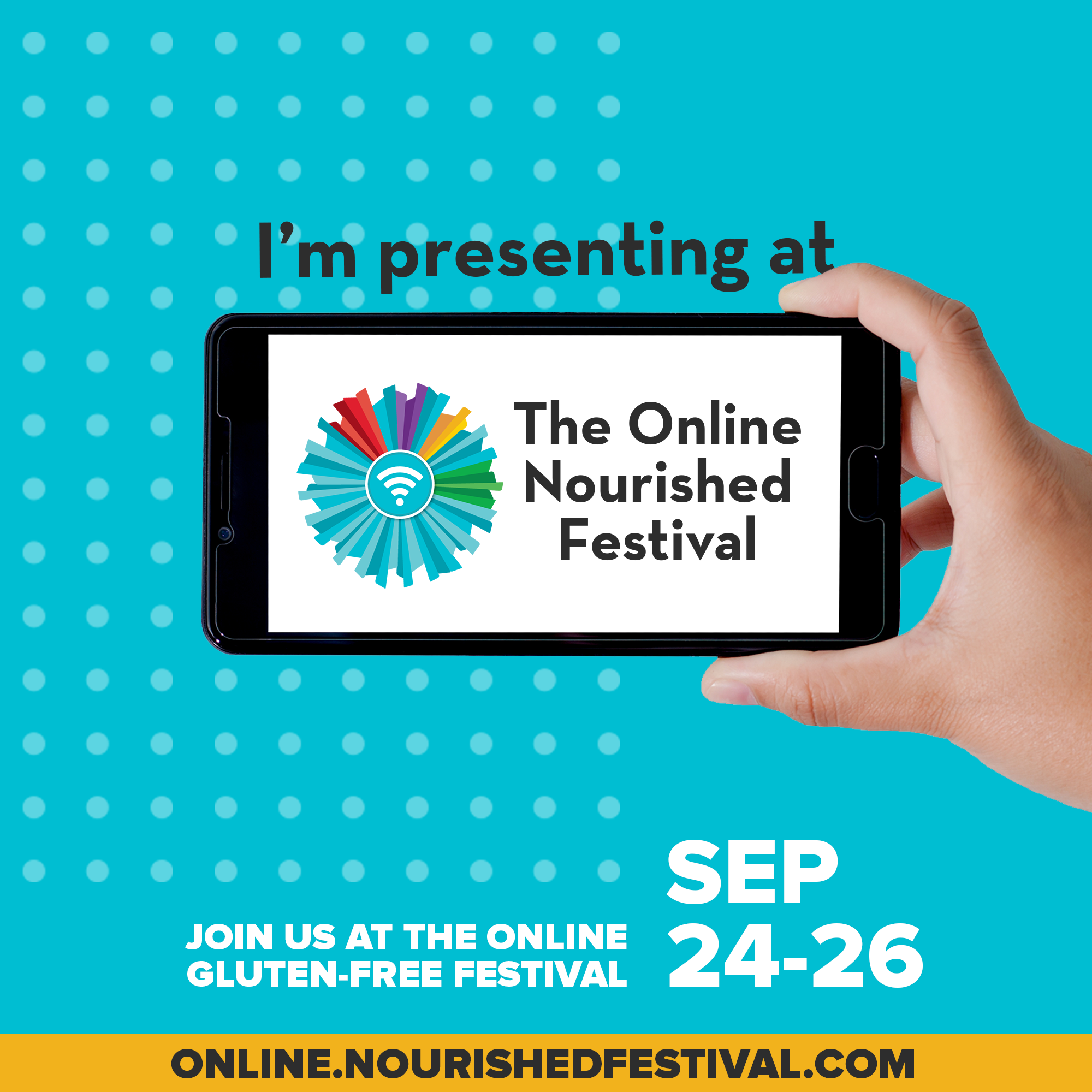
This year, due to the COVID-19 pandemic, people and businesses are hesitant about hosting large events such as the Nourished Festival. Most events and festivals have become virtual events which give companies and customers a chance to still engage and learn from them. As with The Nourished Festival, this year will be completely online and will go live starting September 24, 2020.

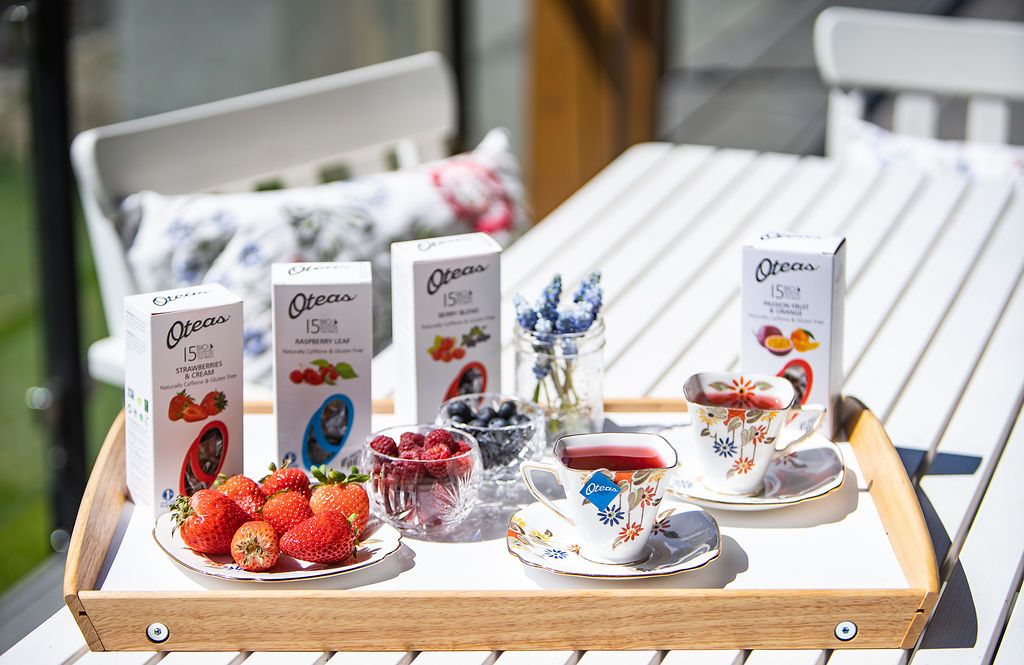
This year, the virtual show will host live cooking demos, live chats with companies, and tons of fun prizes, coupons, and surprises. Here are just a few examples of exhibitors: BFree Foods, Bio-K Plus, Brazi Bites, Chomps, Enjoy Life Foods, Flax4Life, Gem City Fine Foods, Grab The Gold Inc., Jovial Foods, Love Corn, MYBREAD Gluten Free Bakery, Oteas, Peeled Snacks, RW Garcia, San-J, Simply Gluten-Free, Smart Chicken, Spinato’s, Swerve Sweetener, Taste Republic, The Soulfull Project, Yumbutter, and many more!

Even if you don’t have any known food allergy, The Nourished Festival is still a wonderful place to find new companies, new products, and learn how to live a healthier lifestyle. 

Register for The Nourished Festival (previously known as The Gluten Free & Allergen Friendly Expo): https://online.nourishedfestival.com/


Disclaimer: The product(s)were sent to the author for review by the manufacturer/PR. All reviews on “Happymomblogger” remain unbiased and unpaid and are the sole decision of the author. The opinions of these product(s) were not influenced in any way, shape, or form. As always, please read the ingredients carefully when trying new products.

Please read the labels and ingredients carefully and follow all manufacturer’s instructions (if any). The products selected for the giveaway were generously donated by the companies/PR to help readers learn more about their products. The winner’s choice in using/consuming these products are entirely up to the winner and will not hold the author and her family liable nor the companies/PR liable. These products are made with non-toxic ingredients but always be safe with what you use and consume.

http://www.topmommyblogs.com/blogs/in.php?id=storm

Is it okay for my child to be a vegetarian?

When I was around nine years old, I was playing in the front yard of my home when I noticed a big, fluffy dog jogging around the neighborhood. Having seen the dog for several days, I wondered if he belonged to one of the neighbors.

I remembered playing with him and giggled at his jolly demeanor and excited slobbering. I already had a loving family dog but this lone dog was a complete joy. As a young child, you don’t think much about who the dog belongs to or if they are dangerous. But I remember looking into his big brown eyes and instantly knew he wasn’t dangerous at all. In fact, his overexuberance of friendliness might have been his own downfall.

After several days, the inevitable finally came. I was once again playing outside and the adorable dog ran towards me, all excitement and carefree. However, just as he was about to reach me, a white truck pulled up beside him, parked, and the driver got out. Looking at the name on the side of the truck, I knew eventually someone from the animal shelter would come out. I had high hopes that the dog actually belonged to someone, but who could ever leave their darling dog to roam free every day?

The injustice to the both of us came when the driver came up to me while I was holding onto the dog. He asked if the dog belonged to anyone. I was faced with a difficult decision but fear at what would happen to the dog took over and I immediately nodded and said, “Yes, the dog belonged to a neighbor up the hill.” The driver looked at me for a moment and then asked if I could return him to its owner as someone had reported a stray dog matching his description. I quickly nodded again, afraid that he would think I was lying. But, perhaps he believed a young child, or perhaps not. Whatever the reasons, he got back into his car and drove off. I brought the dog back to my house, gave him some water and food, and went inside the house to tell my mom what happened.

It was moments after the incident, while my mom gave me a snack, that I suddenly realized I could no longer eat meat. Something just snapped inside me when the driver of the truck took out a stick with a loop at the end and the dog looked innocently between me and the stranger. Somewhere deep inside my heart, I couldn’t bear the thought of eating meat and thinking of the dog being captured and who knew what would happen to him. The connection was almost immediate and from that day forward, I told my mom I was going to stop eating meat. My mom related that seeing the dog almost being captured must have sparked some compassion inside me.

I was around nine when I had single-mindedly decided to just stop eating meat and become a full-time vegetarian. As loving as my parents were, they weren’t exactly sure how to handle a nine-year-old vegetarian. Was that even possible for a young child? My parents were accepting of course, though they were afraid not eating meat protein would hinder a growing child. I went back to eating chicken on the behest of my parents but after I went off to college, I reverted back to being a vegetarian.

I know many vegetarians and vegans will agree to this single reason: that they became vegetarians out of compassion for animals. It is truly a humane thing to do but it doesn’t work for everyone. I did my fair share of research and even spoke to pediatricians and doctors. Some were skeptical about any health benefits and some were encouraging. But in all honesty, you should do what is best for your own body and lifestyle.

So should children become vegetarians? Well, my nephew became a vegetarian at the age of seven. He just decided to stop eating meat out of compassion. His parents were supportive and later became full-time vegetarians too. My nephew is now fifteen years old and five-feet-nine. I think he’s doing pretty well in the growing aspect as a vegetarian.

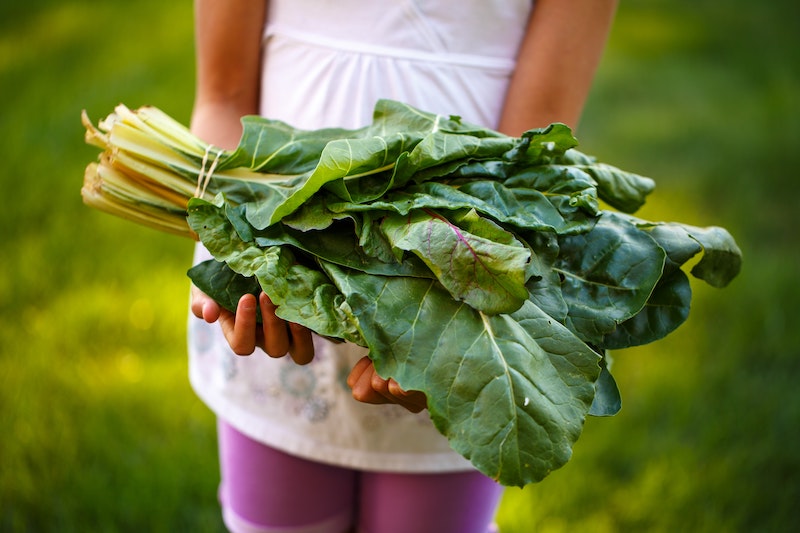
Here are some tips if your child decides to go vegetarian. Keep in mind that vegetarians eat only plant-based food. Not seafood, and not “sometimes” a vegetarian. 

  • Determine why your child wants to be a vegetarian. Is it for humane reasons, a picky eater, or their friends are doing it?

  • Decide on the right age. A pediatrician told me that children younger than five years old should not become full-time vegetarians unless there are health reasons. Up until the age of five, most children’s bodies are fast developing and they need the full spectrum of vitamins as long as they eat a balanced diet. 

  • Vegetarians usually eat healthier. Don’t be a “junk food” vegetarian. That is, a vegetarian by name only and eats junk food instead of a healthy plant-based diet. Check out this delicious, nutritious, and easy to make pasta salad: https://wildmadesnacks.com/blogs/the-go-life/easy-pasta-salad

  • Start off slowly. The transition to full-time vegetarian is not easy. Your body will most likely go into shock at the sudden change of diet. Gradually decrease the consumption of animal meat each day up until two weeks for your body to adjust.

  • Take your child grocery shopping with you so they can see the various fruits, vegetables, and nuts available to them. The more informed they are of their food choices, the better it is for them to decide.

  • Don’t be too harsh or judgemental. Deciding not to eat animal meat when other family members do can be confusing for everyone in the household. Listen to their reasons and support them as much as possible. Remember that there is a great assortment of plant-based food available.

Regardless of the choice, it’s never too late to make an important food change out of health and compassion.

*Photo credit and original article through Red Tricycle Spoke Contributor Network.

*Photo credit through Martha Stewart Blog.

Disclaimer: The product(s)were sent to the author for review by the manufacturer/PR. All reviews on “Happymomblogger” remain unbiased and unpaid and are the sole decision of the author. The opinions of these product(s) were not influenced in any way, shape, or form. As always, please read the ingredients carefully when trying new products.

Please read the labels and ingredients carefully and follow all manufacturer’s instructions (if any). The products selected for the giveaway were generously donated by the companies/PR to help readers learn more about their products. The winner’s choice in using/consuming these products are entirely up to the winner and will not hold the author and her family liable nor the companies/PR liable. These products are made with non-toxic ingredients but always be safe with what you use and consume.

http://www.topmommyblogs.com/blogs/in.php?id=storm

The New Norm of School – How We Adjust Helps Us Overcome the Difficulties

image

There once was a time when school-aged children would wake up groggily in the early morning only to get excited at the prospect of seeing their friends on their school’s playground. Even the knowledge of after school homework didn’t deter children from wanting to go to school. Now, with the global pandemic leaving all of us virtually defenseless, our children are left with very little options in the fall: return to school with the possibility of contracting the virus, 100% online learning, or a hybrid learning curriculum.

Gone are the days of sitting with their friends at lunch time or skipping on the blacktop while playing made-up games with their buddies. Now, with the fear of COVID-19 spreading to children, their families, and school staff, going back to school can look quite different this year. And depending on which state or country you live in, varying styles of back to school leaves us all scratching our heads on what is the best way to send our kids back. If you’re in one of the higher cases states, forget about going back to public school in person. These states just don’t want to risk anyone’s health.

So what can a family do at a time of crisis? Back in March, when we were all deciding on what to do with school admist the rising cases throughout the US, most school districts adopted a “crisis” learning where districts did not punish those who were having a hard time adjusting to suddenly learning everything online, instead of in a traditional classroom. As a mom, I have to tell you that the “crisis” learning was a huge adjustment. But now, just a couple weeks until school resumes, I find that crisis learning was probably a lot easier. Because now with the start of the new school year, our kids have to actually learn while staring at a computer all day and virtually interact with their teachers. This is going to be extremely difficult for those who have learning difficulties and those with several siblings near the same age. We as parents (and if you’re not already a teacher) have to basically monitor our children in front of their computers making sure they are actually paying attention and not falling off the grid. But what other choices do you have, really?

Like most parents, we all want our children to succeed in school and life in general. We want them to learn all that they can while at school and enrich themselves with new and interesting ideas and prospects. But when you’re stuck at home learning via a computer, kids just don’t get the same kind of excitement as they would on campus. It’s just how most kids are hardwired and how they’ve come to recognize as how a school environment should be. But, as a parent, the best we can do at the moment is to teach our kids to believe in themselves and that perhaps the hardest lesson in life is to… adjust. Yes, because while our kids are going to school at home, we also have to adjust to this new norm of school.

There are a couple of bright sides to this new norm of school. For one, you don’t have to worry about buying any new back-to-school clothes and supplies for awhile. And second, if you’re able to stay at home with your kids all day or work from home, you can visit your kids any time throughout the day. However you look upon to this new style of school, there are bound to be more positive aspects to staying at home. Rather than look for the downfalls or hindrances, we can find alternatives and make new strategies.

Below I’ve listed some easy transitions for back to school this school year. If your school district is waiting on the go-ahead for on campus learning, then you need to be extraordinarily prepared for when and if that happens. We know that eventually schools will resume on campus, but meanwhile, let’s make some positive steps to “home” schooling.

EMOTIONAL AND MENTAL WELL-BEING:

– Recognize the language. Oftentimes when asked how we are feeling, we might be inclined to answer simply with “fine” or “I’m okay.” But there could be underlying emotions and issues that we don’t know how to properly express or say out loud. Recognize that simple “I’m fine” answers could really mean:

  • I don’t know

  • Not fine

  • I don’t want to tell you

  • You don’t really want to listen

  • Leave me alone

  • Please ask me more

Just like we might check our temperatures to see our physical health, we also need to check our emotional health. Emotions can be so personal that we often do not wish to share them for fear that others don’t understand. Try some of these ideas when you are going through emotional stress:

  • Take a short walk and appreciate all around you

  • Step outside for a few moments where you can just be by yourself. Recognize that this is okay and you need a few moments to just regroup.

  • Close your eyes and take deep breaths. Breathe in and out slowly until you can calm yourself.

  • Speak to someone you can trust and let them know how you are feeling at the moment or have continuously felt.

  • If it’s difficult to speak to a loved one, then find professional resources such as your hospital, local clinic, or a school’s outreach center. Check with your school to see what they offer.

IN-PERSON SCHOOL LEARNING:

If you’re in a state or district where on-campus learning is allowed, then you’ll need to take further precautions.

  • Follow school guidelines for safety – both personal and physical

  • Schools should follow their state’s guidelines for physical distance learning. For example, desks are spaced accordingly apart, Personal Protection Equipments for staff and students, hand washing stations in designated areas, hand sanitizers when hand washing is unattainable, and temperature checks if necessary.

  • Remind children not to share food and school supplies with others.

  • Lunch and breaks are limited to grade level and whether indoors or outside.

  • Masks or face shields for students when necessary.

ONLINE SCHOOL LEARNING:

If you’re in a state or district where 100% online learning is necessary, then the following are some suggestions for learning at home.

  • Follow school guidelines for online learning. Your school should have already sent you a schedule for 100% online learning.

  • Get your technology equipment ASAP! The sooner you get a laptop or desktop, the better you can to familiarize yourself with your new equipment. If your school offers a rental, be sure to get it as soon as they are offering it.

  • Set aside a specific area for your home learners. Depending on the age and grade, students learn best when they are away from distractions such as TV, video games, and toys.

  • Take frequent breaks. Most schools would have a schedule that includes frequent breaks and at least half hour lunches.

  • Get your supplies ready. If your student requires textbooks, be sure to pick them up at your school when ready. You can always reuse your supplies from last school year such as pencils, coloring markers, erasers, notebooks, etc. For older students, their lessons will most likely occur to be completed online rather than on paper. But keep paper handy for taking notes, etc.

  • Get to know your teachers and school administrators (if possible). Your teachers are your number one source when it comes to getting answers to your questions. Get their contact info and be sure to keep their info ready.

  • Update your child’s data on your school’s website. The more info you input, including health info, the more you can help your school to provide and give pertinent information.

Regardless of where you’re at this school year, school will eventually resume to its normal routine. While 100% online learning can be a tremendous learning curve for both your child and yourself, know that teachers are going through similar feelings and emotions. Most teachers also have children in school, so while they have to teach your child, they still have to find ways for their own children to learn.

Let’s try to keep everything in perspective and not overact. It is easy to feel distressed or worried about how the new school season will be. Most school activities are on hold such as school sports as well as popular school programs. But that doesn’t mean you can’t do something at home or online. Check with your schools in regards to the school programs and if they are on hold, then find out when they will resume.

Take deep breaths, be kind to yourself, and know that it’s absolutely okay to feel frustrated at the beginning.

Hope you all have a great new school year!

*Resources taken from PYLUSD, Edmentum, and Parents magazine.


Disclaimer: The product(s)were sent to the author for review by the manufacturer/PR. All reviews on “Happymomblogger” remain unbiased and unpaid and are the sole decision of the author. The opinions of these product(s) were not influenced in any way, shape, or form. As always, please read the ingredients carefully when trying new products.

Please read the labels and ingredients carefully and follow all manufacturer’s instructions (if any). The products selected for the giveaway were generously donated by the companies/PR to help readers learn more about their products. The winner’s choice in using/consuming these products are entirely up to the winner and will not hold the author and her family liable nor the companies/PR liable. These products are made with non-toxic ingredients but always be safe with what you use and consume.

http://www.topmommyblogs.com/blogs/in.php?id=storm


10 Easy Ways to Help Your Kids be More Plastic Free – Plastic Free July Month

If you’re reading this, then maybe you’re wondering what the title of this article really means. It sounds almost contradictive – how can kids be waste free? Aren’t they notorious for leaving LEGO on the floor or begging for a snack one minute then turn their noses up the next? How can the capricious moods of children make a difference when it comes to reducing waste?

The term “zero waste” is really a philosophy that started decades ago in an effort to make the world more aware of product consumption. Purchasing something just because you think you have to have it has contributed to overabundance of things in our lives that we don’t really need. But we can teach our children (and perhaps ourselves) that consumerism leads to lots of waste in our lives. These waste, such as single use plastics, end up in our pollution waste stream.

We can teach our kids to reduce waste and maybe eventually, when they become more experienced, to eliminate the need for single-use plastics overall. Below I’ve listed 10 steps you can take to help reduce plastic waste and learn to Live a Life Less Plastic!

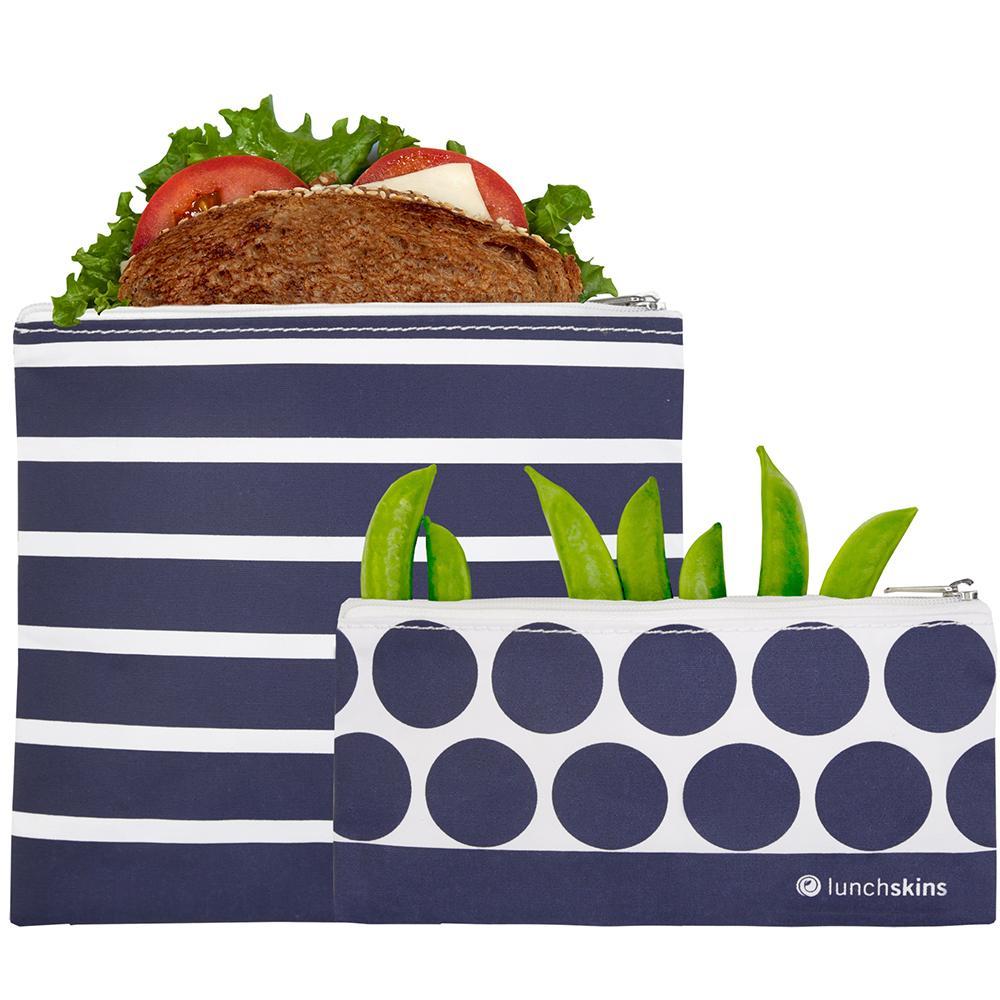
1- Buy consciously. Think about how many times you’re going to use that product. If it’s a plastic sandwich bag, skip it and buy reusable bags such as ones made from silicone, paper, or a stronger plastic that will last for many years. Paper sandwich bags are great in that they will break down when wet and can be disposed into your recycling bin. Try Lunchskins – they’re durable and reusable(https://www.lunchskins.com) *right now if you sign up for their SMS program you’ll get 30% off!

2 – Use natural materials. Natural materials and materials that are sustainable include bamboo, organic cotton, wood, and glass. Natural materials are a lot safer for children as they are usually manufactured without toxic by-products.

3 – Bring your own lunch containers. There are tons of cool looking lunch containers for your kids. Best materials are stainless steel and glass.

4 – Reusable straws. Reusable straws are great for reducing plastic waste. Reusable straws can be stainless steel, glass, or made from sustainable materials such as bamboo, wheat, and non-gmo corn.

5 – Reusable beverage bottles. You can find reusable bottles almost anywhere. Pick some up made from stainless steel, glass, or BPA and lead free plastic.

6 – Bring your own utensils. When packing lunch for your child, be sure to pack reusable utensils. They can easily put their used utensils back into their lunch bags/containers to bring home.

7 – Look at brands and websites that offer sustainable products. Check out websites such as this for ideas: https://www.nbcnews.com/better/lifestyle/8-simple-ways-reduce-your-plastic-use-ncna984396

8- Upcycle. Upcycling is a fun and clever way of turning something old into something new and delightful. What happens if you’re tired of your old shoes? Turn them into planters! And those plastic laundry containers? They’re truly such a waste especially when you’re constantly doing laundry. But you can turn them into planters as well, or upcycle them into holders for your magazines, coloring pencils, toys…there are endless ways! 

9 – Look to support brands that care for the environment and provide products and services that benefit our planet instead of adding more destruction. Try brands such as: EC30 (https://ec30clean.com/) which promises that no plastics are used in the production of their products as well as lower emissions, and Plaine Products (https://www.plaineproducts.com/ref/Suzan%20C./) which uses natural ingredients, aluminum packaging, and a subscription service where you can return your bottles for refills. Use discount code: HappyMom to get 20% off total purchase!

10 – Switch to non-plastic products slowly. You might feel at a loss in how to reduce your plastic use. You don’t have to throw away all of your single-use plastics or plastic containers just to buy sustainable ones. Use them up as much as possible, or donate them, and then slowly integrate sustainable materials such as glass, aluminum, and wood. Better yet, the next time you buy something at the grocery store, look only for sustainably made containers which you can use infinitely.

Depending on the age of your children, these are all fairly easy for them to try. You can even ask your children for ideas on how to be less wasteful and to reduce plastic use. Most importantly, make it fun and make it worthwhile.

Disclaimer: The product(s)were sent to the author for review by the manufacturer/PR. All reviews on “Happymomblogger” remain unbiased and unpaid and are the sole decision of the author. The opinions of these product(s) were not influenced in any way, shape, or form. As always, please read the ingredients carefully when trying new products.

Please read the labels and ingredients carefully and follow all manufacturer’s instructions (if any). The products selected for the giveaway were generously donated by the companies/PR to help readers learn more about their products. The winner’s choice in using/consuming these products are entirely up to the winner and will not hold the author and her family liable nor the companies/PR liable. These products are made with non-toxic ingredients but always be safe with what you use and consume.

http://www.topmommyblogs.com/blogs/in.php?id=storm


*photo of Goby Fish in India