Gearing Up for Back to School – Important Tips to Know

The screaming. The crying. The begging. No, it’s not your kids at a Taylor Swift concert, it’s them having to go back to school in a few weeks. With summer vacation just rounding up towards late August, some school districts are gearing up for your students to head back to class. Whether your child is getting ready for college or just starting their first year, being ready and prepped makes a successful and less tearful school year.

For some students going back to school after a summer full of late nights and endless playtime can be dreadful. No longer are they staying up late to chat with friends or hanging out all day at the mall or beach. Once school starts, it’s back to homework, early nights and mornings, and getting ready to pass quizzes and tests. But returning to school doesn’t have to be fearful if we help our children understand that school is a great place to learn and grow.

Before school starts, let’s look at some important tips to help your students succeed.

WHAT YOU NEED TO DO BEFORE THE SCHOOL YEAR STARTS:

  • It’s important to enter all the data requested by your child’s school. Most school districts offer an online student information system. If you’re already registered into the system, many schools require updated information such as immunization records, emergency contacts, and any changes from the previous school year. Updating and entering accurate info helps the school keep students data accurate and concise.

  • Start shopping for school items now. While some schools offer a school supply list, know that those are suggestions only and can vary by grade and teacher. At most, be prepared with a school backpack or school tote, lined or ruled papers, notebooks, pencils, calculator, and a folder or binder. Shopping early for the essentials can prevent last minute panic when stores have sold out most supplies by the end of August.

  • Decide on transportation. Depending on the age of your child – whether they can drive on their own or are too young to walk to school – plan ahead on who’s going to drop off and pick up your children from school. If you are doing the driving every day, then great! If not, arrange with friends, relatives, school bus transportation, and even a carpool group.

  • Get all of your immunization ready. Depending on what state or country you live in, schools require some kind of immunization before heading back into class. Be prepared to get the list from your child’s doctor or contact the school for an updated immunization requirement list. Most schools will not allow your child back to school until they’ve fulfilled the necessary immunization.

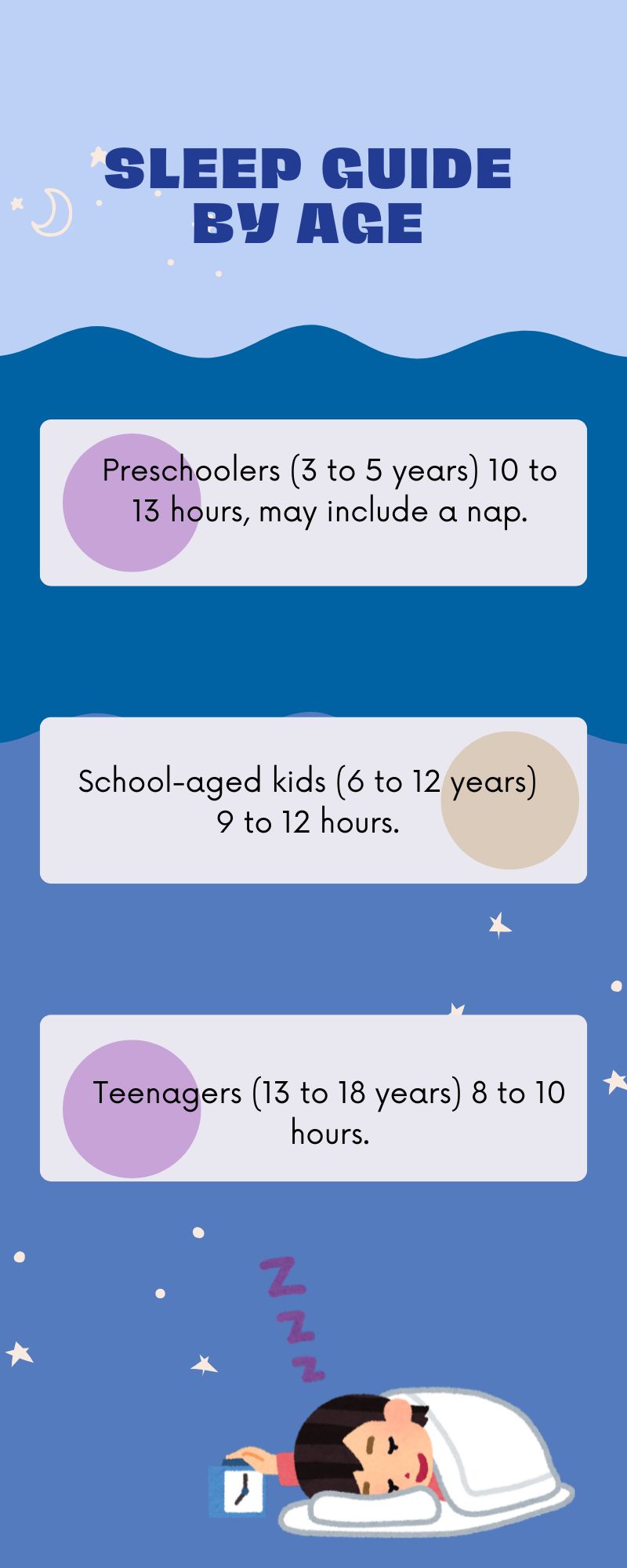
  • Practice getting to sleep early enough to rise in the morning. If your child has been enjoying the late night freedom, then now is the time to get them ready to go to bed early enough to get enough sleep. According to the American Academy of Sleep Medicine, the amount of sleep correlates with your child’s age. Sleep is an essential function to good health for everyone, but especially for school-aged children. We all know the cranky child that doesn’t get enough sleep, and loosing quality sleep can lead to unhealthy habits.
  • Decide on lunch plans. Most states offer free or reduced lunch for public schools. But if they don’t, or if your child refuses school lunches, then plan ahead what to pack for them. Most schools offer at least 30 minutes for lunch (not counting recess playtime), so packing a boxed lunch can be quite daunting. How can you make sure your child will eat enough of your packed lunch, not throw them away, and still have enough time to enjoy some fun before going back to class? One important thing to remember, as someone who has worked in the education industry for a long time, is to make sure your child knows how to open and close their lunch box. While staff would be available to help open packages and so forth, they’re most likely watching a large group of students at lunch and won’t necessarily have time to open your child’s lunch box. Find lunch boxes that are easy to snap open and close, or if all else fails, put their lunch items in brown paper bags. For fun and clever lunch ideas, check out Weelicious.

WHAT HAPPENS DURING SCHOOL TIME:

  • You’re sending your children to school, trusting them with adults at school, and hoping they learn and absorb all they can. You can’t always be at their school to watch them or help them so the best you can do is familiarize yourself with your child’s school. Get to know the school Principal, administrative staff, support staff, and of course, your child’s teacher or teachers. Let them know you are there to support your child’s school journey as well as support the teachers and school’s goals. My most important advice is to let your child’s teacher know that you can be cooperative and supportive throughout the school years. This makes a smoother and easier time for your child and teacher.

  • Depending on your child’s age and maturity, teach them how to handle difficult situations at school. While we all wish we can hide inside our child’s backpack to fight off any dangers that might arise, in reality, we can only depend on our child and the school administration to make good choices. Teach your children that bullying isn’t okay, regardless of who’s doing it. And teach them that it’s okay to speak to a school staff if they are being bullied or harassed in any way.

  • Understand how schools handle emergencies. School districts will have implemented policies for most emergencies, or at best, the individual school site will have their own emergency protocols. While schools don’t necessarily have to reveal when an emergency arises, they will do their best to protect everyone inside the school. You can always visit the school’s website, or contact the school administration (Principal or secretary) and see how they handle emergency situations such as possible fire or police activity. It is also a school requirement to practice emergency drills throughout the school year to better prepare the students.

  • Get familiar with homework and during school work. Not all students are fans of homework, nor are their parents. Homework is usually assigned if a student or class couldn’t complete the work during school hours. Or if a class or student need to practice a lesson or study for an upcoming quiz or test. Your school site or district should indicate how much homework is required by grade. Your child’s teacher will usually announce homework expectations in their class packets or during back to school days. Students taking advance courses such as Honors or AP (Advanced Placement) will require extra work to be done at home. These classes are usually taught to prepare students for college or higher learning. As long as your child knows the expectations and requirements for homework, they can stay on top of their school work and hopefully not fall behind.

DURING THE SCHOOL YEAR:

  • Now that you’ve gained a bit of understanding and preperation for back to school, continue with your best practices throughout the school year. Situations can change, but having plans ahead of time and knowing what to expect can help alleviate pains and frustrations.

  • Set realistic goals for your children. I’ve seen many students struggle with their school work, have bad attitudes, and just general non interest while in class. Are your children involved in too many after school activities? Are they staying up late struggling with homework? Or are they being pushed to be the top student in the school? When you set realistic goals and expectations, then your children will have a better chance to be a well-rounded person.

  • Participate or volunteer whenever possible. As a parent, or guardian, it’s crucial to know what happens at your child’s school. Some school Principals or administrators will send out newsletters or communication regarding school events, activities, and so forth. It’s important to know what extracurricular activities and events are offered at the school so that when your child asks, you are not registering them at the last minute and risk not getting accepted.

  • Check in with your child’s teachers throughout the school year. Most older students will already have a routine set up with their teachers or classes. This entails knowing what happens if they turn in homework or projects late, or who to turn to help for tutoring or extra lessons. But what if your child doesn’t normally reveal what happens at school? If you’re not checking in with your child or checking in with their teachers on occasion, then it can get difficult to get help when situations arise. Think of it this way – your child’s teachers are in charge of your child for at least 6 hours of the day. Teachers have huge responsibilities and have to be monitor their students everyday. Keep in touch with your child’s teachers by volunteering, donating when asked, and participating in school events and activities when possible.

  • Don’t be afraid to ask for help as a parent. Parenting can be tough, and being a child can be even tougher. Your children can be struggling in school or excel in every subject. I don’t know any parent who wishes to see their child struggle in school. We all want our children to learn as much as they can, grow as positively as possible, and become great individual adults. But if you’re also struggling to parent or find that life balance, don’t hesitate to get support. Support can come from your own family, your friends, school staff, co-workers, and professional counselors. If you are struggling somewhere, most likely your children will notice it too and it can also affect them.

I wish you all a happy, healthy, and prosperous school year!


Disclaimer: The product(s)were sent to the author for review by the manufacturer/PR. All reviews on “Happymomblogger” remain unbiased and unpaid and are the sole decision of the author. The opinions of these product(s) were not influenced in any way, shape, or form. As always, please read the ingredients carefully when trying new products.

Please read the labels and ingredients carefully and follow all manufacturer’s instructions (if any). The products selected for the giveaway were generously donated by the companies/PR to help readers learn more about their products. The winner’s choice in using/consuming these products are entirely up to the winner and will not hold the author and her family liable nor the companies/PR liable. These products are made with non-toxic ingredients but always be safe with what you use and consume.

http://www.topmommyblogs.com/blogs/in.php?id=storm


Eatin’ Clean in the Summertime

Is the weather driving you crazy over the summer? You’re either melting away from the scorching heat in one area, or suffering through severe storms in other areas.

It’s mid-July in California and we are right smack in the middle of a hot summer. However, right now is the best time to get your health on track before the busy school days start again in the fall. Fresh and seasonal fruits and vegetables are abundant at this time of year, and it’s a great opportunity to get important nutrients in your body. Typically around the months from May-August, the sweetest fruits and the crispiest vegetables are in season, and eating clean is a wonderful way to get your health back in gear.

In the west coast with the sweltering heat it can get difficult to cook a homemade meal. I’m not a fan of grilling outdoors or even cooking over a hot stove when it’s over 85 degrees. I don’t even try to plan meals during the summer because we’re either working, traveling, or getting ready for school. But one thing I try to keep on track is eating healthy. It doesn’t really matter what time of year or the season, because eating healthy helps keep my energy up and running. If I can dedicate just 5 meals in the week to eating healthy, I’m aligned to my personal health goals. It might not be easy to eat clean and healthy when you’re busy, but it’s crucial to maintaining a healthy lifestyle.

So what exactly does clean eating mean? Simply defined, clean eating is eating food that is unprocessed, preservative-free, and made with as few ingredients as possible. While many foods in the markets today are processed, the key is to avoid or limit overly processed foods as much as possible. Below are some steps to eating clean in the summertime and beyond. Keep track of what you eat in the summer so you can continue with a clean and healthy journey through all seasons.

Baked Falafel Sandwiches

5 steps to eating clean in the summer:

1- Buy fresh produce – organic and locally grown when possible. Fresh produce is the number one rule to eating clean and simple. Check out EWG’s Dirty Dozen and Clean Fifteen on the most and least toxic produce: https://www.ewg.org/foodnews/dirty-dozen.php

2- Buy whole grains and lean protein. Whole grains are still intact with all of their nutrients ensuring you’ll get all of the health benefits. Lean protein with little to no fat are not as taxing on your body when digesting and processing through your system.

3- Make meals and snacks from scratch at home. When you start with ingredients that you are in control of, you know what you’re putting in your food.

4- Use as few ingredients as possible. The risk of eating out or buying cooked food in stores is because of all the ingredients in there that companies need for flavor and preserving. When you make your own food, use just the basics – lean protein, vegetables, and seasonings that fit your lifestyle.

5- Limit sugar or cut it out entirely. While cutting out sugar entirely might be hard to do, try eating more fruits and using fruit-based sweeteners to sweeten your food.

Teach your children to eat clean and healthy:

1- Take your child to the grocery store with you. Let them start by learning about all the fresh produce that are available. If the stores have samples of the produce, encourage your child to try it out if it’s a fruit or vegetable that they typically don’t eat.

2- Depending on the age, have your child help you prepare the meals at home. Teach them and let them help you cut up from the fresh produce you just bought at the store. When children are involved in making meals from scratch, they feel a connection to the food they eat.

3- Serve up fresh fruits and cut them up in cute shapes if necessary. Mix it up once in awhile by including honey (for children over age 2) or plain yogurt for kids to dip their fruit in. Continue with this style of snacking so kids can learn to grab fresh fruits instead of an overly processed sugary snack.

4- Teach your kids to be mindful of what they eat. Don’t be distracted by the TV, tablet, or phone while you’re eating. Being mindful is an ancient practice to be more aware of what you are eating and how food should taste. It also helps with proper digestion of food.

5- Use simple recipes when it comes to teaching kids to eat clean. The less ingredients used, the more their taste buds can distinguish between processed food and food made with less ingredients.

6- Teach your children to read labels. If your child likes a certain store bought food, let them read the ingredient label as well as the labels on the packaging. If it’s a snack that isn’t all too healthy, let them see how many unpronounceable words there are in the ingredients list. You’d be surprised at their reactions to all the ingredients that they don’t recognize.

How to eat clean and healthy in restaurants:

1- If you can choose the restaurant, then choose one you regularly frequent. This way you already know what’s on the menu and how the restaurant and staff works.

2- If you know the name of the restaurant you’re attending (but you didn’t choose it), look at the menu online so you can get an idea of what’s available.

3- Get to know your server. The servers at restaurants are usually very accommodating. Peruse the menu first and ask the server ahead of time if they allow changes or alterations to the menu items. If they do, then know ahead of time what you’d like to order. If they don’t then just stick with the basics, such as a fresh salad, dressing on the side, and a fruit plate if it’s available. Then if the server brought out your dish accurately, be sure to tip well as they usually have to be specific with the chefs and food preps.

Whether you’re just starting to eat more clean or you’re a seasoned pro, remember to have a plan on how you want to eat clean. Make grocery lists, search online for ideas and tips such as mine, and have self control over what you eat.

Here’s to eating clean in the summer and beyond!

***photos courtesy of EWG, MarthaStewart.com, Pinterest

Disclaimer: The product(s)were sent to the author for review by the manufacturer/PR. All reviews on “Happymomblogger” remain unbiased and unpaid and are the sole decision of the author. The opinions of these product(s) were not influenced in any way, shape, or form. As always, please read the ingredients carefully when trying new products.

Please read the labels and ingredients carefully and follow all manufacturer’s instructions (if any). The products selected for the giveaway were generously donated by the companies/PR to help readers learn more about their products. The winner’s choice in using/consuming these products are entirely up to the winner and will not hold the author and her family liable nor the companies/PR liable. These products are made with non-toxic ingredients but always be safe with what you use and consume.

http://www.topmommyblogs.com/blogs/in.php?id=storm

Take the 30-Day Zero-Waste Earth Month Challenge!

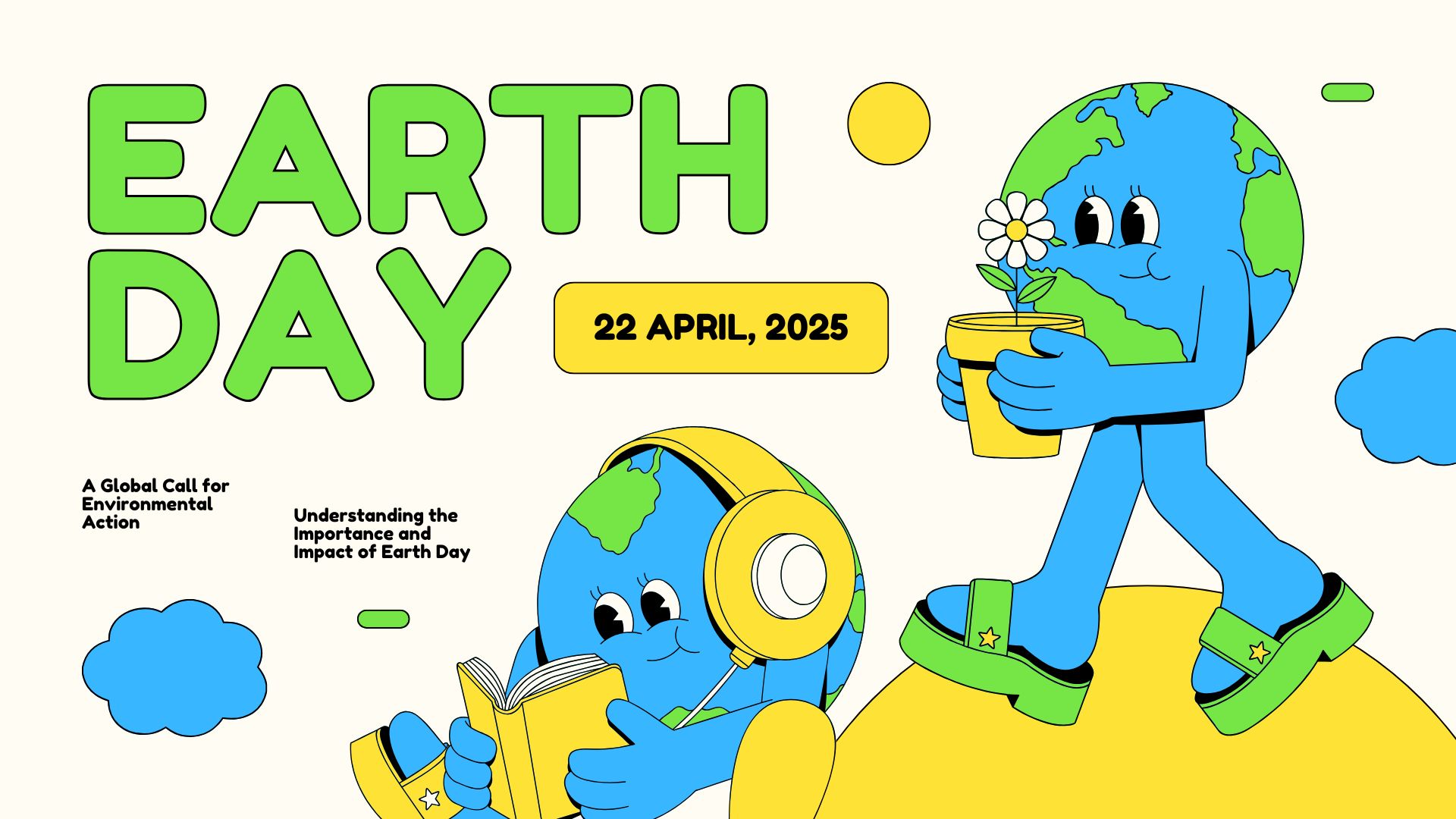
Every year Earth Day is celebrated on April 22. People and businesses all over the world perform acts of kindness towards the planet. As awareness of climate change and devestation brought forth by unprecedented natural disasters around the world, Earth Day quickly grew into Earth Month as the need to take on environmental actions became more prevelant.

Since its conception over 50 years ago, Earth Month is a time to show just how important our planet is to us. People from the smallest areas to larger organizations bring awarenss to the forefront, enabling and encouraging people to take action. We are all habitants in this big, beautiful world and it’s up to us to make sure she stays beautiful and clean for future generations.

This Earth Month, let’s take action in how to protect our planet. No small act goes unnoticed. No big act is too magnanimous.

HOW YOU CAN CELEBRATE EARTH MONTH:

  • Go Plant-Based during Earth Month. Plant-based foods are essentially food that comes from plants, such as legumes, soybeans, and any type of vegetables and fruit that can complete a meal. When you hear plant-based, you’re probably thinking of the term, “vegetarian” or “vegan”. But you don’t have to be either of those to enjoy a plant-based meal. If you’re new to the plant-based scene, try adding more beans, peas, lentils to your meals which replaces animal meat. Legumes are rich in protein and essential nutrients for a healthy body. Did you know, that eating just one plant-based meal for the week equals to planting 70,000 pine trees a yeaer?

  • Switch to reusable products. We are already beyond trying to reduce single use plastics. Why? Because manufacturers will continue to produce single use plastics based on what the consumers buy. The trickle down effect from big businesses to consumers leaves us with millions in tons of plastics being used throughout the years. We can still do our part in reducing plastics that end up in our oceans, our landfills, and eventually in our food. Switch from single use plastics (plastic containers that should only be used once and thrown away), to materials that can be reused many times and can also be easily recycled and reproduced. Materials such as aluminum, glass, and products made from sustainable resources such as bamboo, palm leaves, and reclaimed wood are better choices.

  • Buy Less, Save More. The need to buy, buy, and buy stems from the desire of thinking we want more than what we already have. Consumerism is a huge factor in what companies produce and sell. If they know we want their products – regardless of their need – they will produce them. But as consumers, we also have the strongest voice in what we buy. We don’t want the cheap quality products that break after a few uses. We don’t want products that are not safe for our families. And we certainly don’t want to support companies that don’t align with our values. In this sense, buy less of what you don’t need and you’ll actually end up saving more money. Pretty easy to understand and appreciate that your dollars speak volumes in sending out a message to these corporations.

  • Support eco-friendly brands. While we are trying to spend less, we can also support companies that are responsible with what they do with their products. Choose companies that are part of the circular economy, where they find ways to reduce their carbon footprint in the world. While most small businesses try to reduce their carbon footprint, there are some larger brands that are going the way towards more sustainable practices.

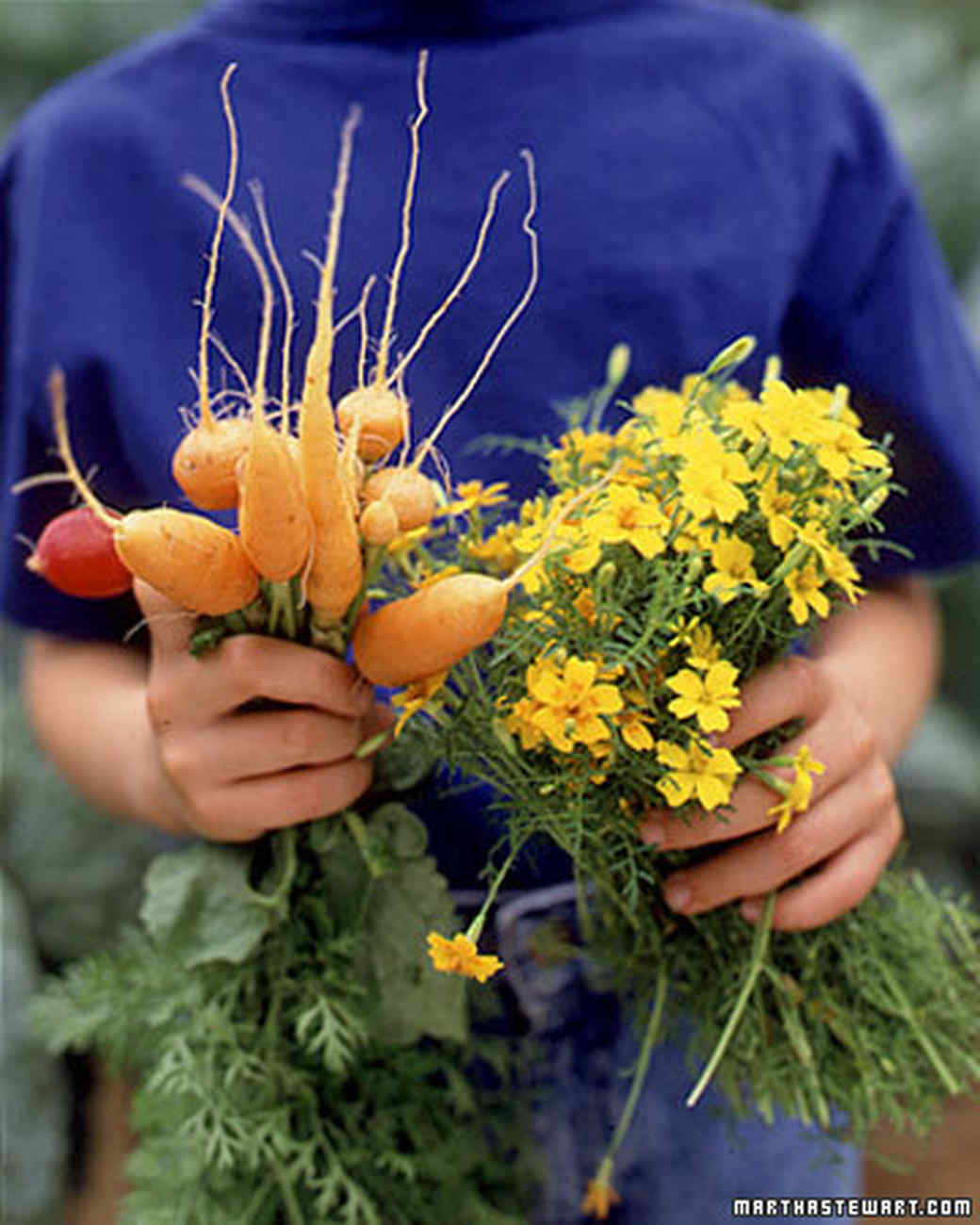
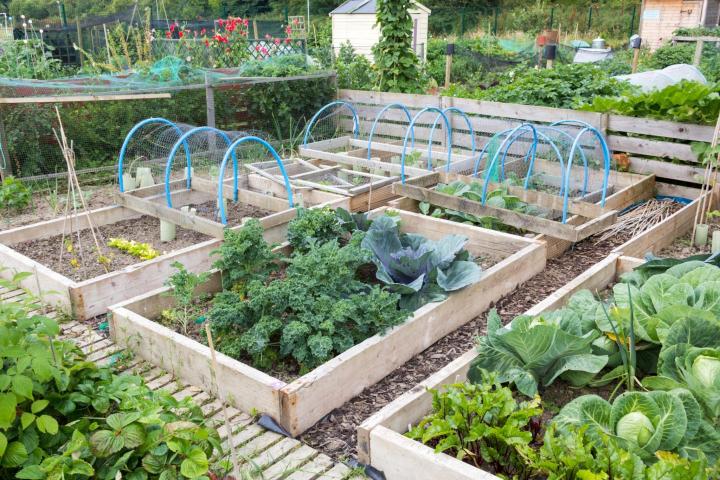
  • Grow a victory garden. Gardens whether big or small creates a natural environment for all living beings. But if you grow a garden for food, there are certain plants that require very little care, will come back every year, and can be a sustainable food in your meal planning. Try growing a garden that has seasonal and regional plants. Try out easy to grow fruits and vegetables that yield fast and large crops. Or try out plants that grow in successions which fills in gaps from a previous harvest. Beans, carrots, beets, garlic, and salad greens all takes advantage from the previous crop due to their warm and enriched soil.

  • Organize a cleanup day. The world is vast and filled with people who want a better environment. That’s why organizations around the world are taking action this Earth Day by hosting cleanup at beaches and parks, and even your local communities. Organizing a cleanup day is as simple as having a few friends and relatives pick up trash on the beach, or planting trees and native plants at a park (with permission of course). Some popular cleanup organizations include: United by Blue, Surfrider Foundation, and Earthday.org.

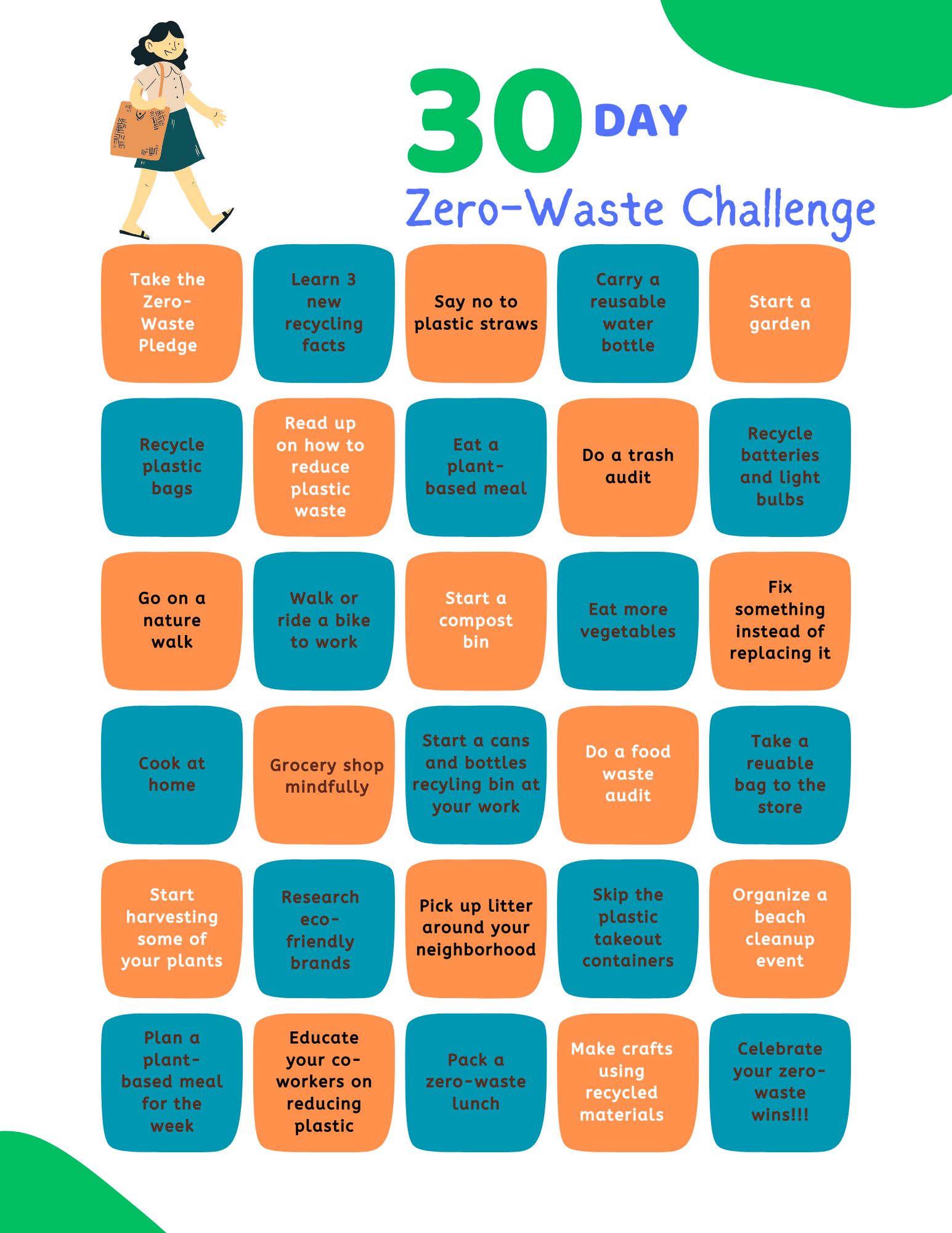
This Earth Month, let’s start reducing our carbon footprint and make a positive impact! Please see below my 30-day Zero Waste Challenge chart and see what you can accomplish!


Disclaimer: The product(s)were sent to the author for review by the manufacturer/PR. All reviews on “Happymomblogger” remain unbiased and unpaid and are the sole decision of the author. The opinions of these product(s) were not influenced in any way, shape, or form. As always, please read the ingredients carefully when trying new products.

Please read the labels and ingredients carefully and follow all manufacturer’s instructions (if any). The products selected for the giveaway were generously donated by the companies/PR to help readers learn more about their products. The winner’s choice in using/consuming these products are entirely up to the winner and will not hold the author and her family liable nor the companies/PR liable. These products are made with non-toxic ingredients but always be safe with what you use and consume.

The Garden of Eatin’

The art of agriculture began many many years ago, even as early as the onset of the Ice Age. It is one of the most innovative invention to have ever been brought to human beings. Even certain animals perform some type of agriculture or farming, telling us that this very crucial form of food production benefits all living beings. As early as mankind, people had the will and knowledge to grow their own food and eat what they grew. There wasn’t a magical bean or a magical anything. It was a simple desire and need to eat healthy food that you were very much in control of.

As agriculture grew so did the change of domesticated agriculture. The need to save money in households branched out to growing food in homes, instead of purchasing them in stores. As people started growing more food they realized the many health benefits that went along with it. Now, many centuries later we learned that healthy foods promote healthy minds and bodies for all ages.

My love for gardening began at a very young age. Both my parents were avid gardeners, and with my dad’s farming background he taught all of his children the basics of gardening and growing your own food. My childhood home had a huge backyard, with an abundance of fruit trees, flowers, and rare plants. What I learned from my childhood eventually led me to teaching children the benefits of being in nature and growing their own food. It doesn’t take a green thumb or acres of land to grow what you eat. All it takes is some patience, the will to learn, and basic knowledge of plant life.

If you want to start your own garden filled with luscious fruits, vegetables, and flowers, then follow these 10 important steps to help you get started.

1- Location, location, location. Where you live depends on what you can grow. Different climate, and your growing zone relies heavily on how successful your crop will be. For the US, check out the USDA’s website to find your growing zone and the definitions on what you can grow: https://planthardiness.ars.usda.gov/. If you’re in other countries, you can do an online search on your growing zone as well. Knowing what your climate zone is and the best plants to grow, will help your garden thrive and eventually feed your family.

2- Grow what you eat. If you’re just starting out on gardening and horticulture, decide on what your family will eat. While many plants are easy to grow they might not be suitable for your family. If your family eats a lot of vegetables then find vegetables that are suitable to your area. This helps reduce waste (but really, who would waste delicious, home grown crops!), and can determine what your family likes best.

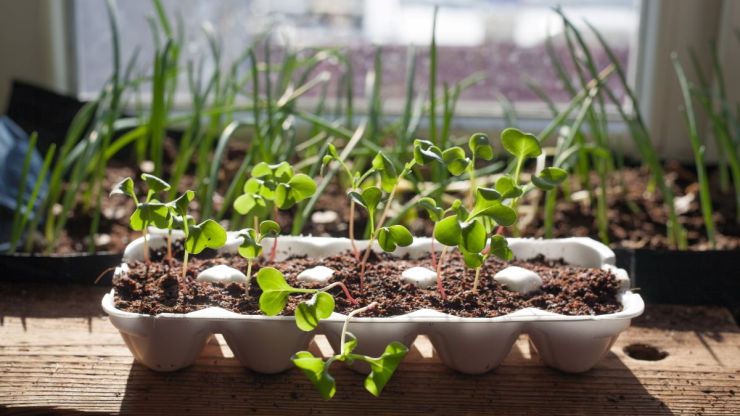
3- Differences between seeds and seedling plants. The most economical way of gardening is to grow from seeds. But most seeds take a lot of time to get from germinating (sprouting) to seedlings, to full grown plants. But the joy of growing from seeds is watching your seeds grow into full grown plants! Seedlings, or baby plants you find at nurseries or wherever plants are sold, are plants that are already developed and are maturing. Plant these seedlings outdoors in-ground, or in planters for better growth potential. If you do start off with seeds, be sure to read the seed packet instructions and take time to understand what you’re growing. Remember that growing anything indoors or outdoors take a lot of patience, and trial and error.

4 – Walk around plant nurseries, arboretums, and gardening events. I learned a lot about gardening from my parents, but once the gardening bug bit me I invested a lot of time visiting garden nurseries, arboretums, and sometimes special gardening events where you can talk to professionals and see rare plants. One of the best ways to learn about gardening is to learn about various plants, how they grow, and what their temperament is. Yes, plants have personalities and their own temperaments!

5 – Pick the right plants to grow. This rule of thumb correlates with your local planting zone, and what you plan on growing. Are you growing a garden full of edible plants? Or a garden filled with beautiful and bright flowers? Or a mixture of everything? When you decide on what you want to grow, it’s okay to mix a variety of plants such as easy to grow vegetables and fruits, and flowering plants. Many flowering plants attract beneficial pollinators which will in turn help your eating garden thrive.

main gallery photo

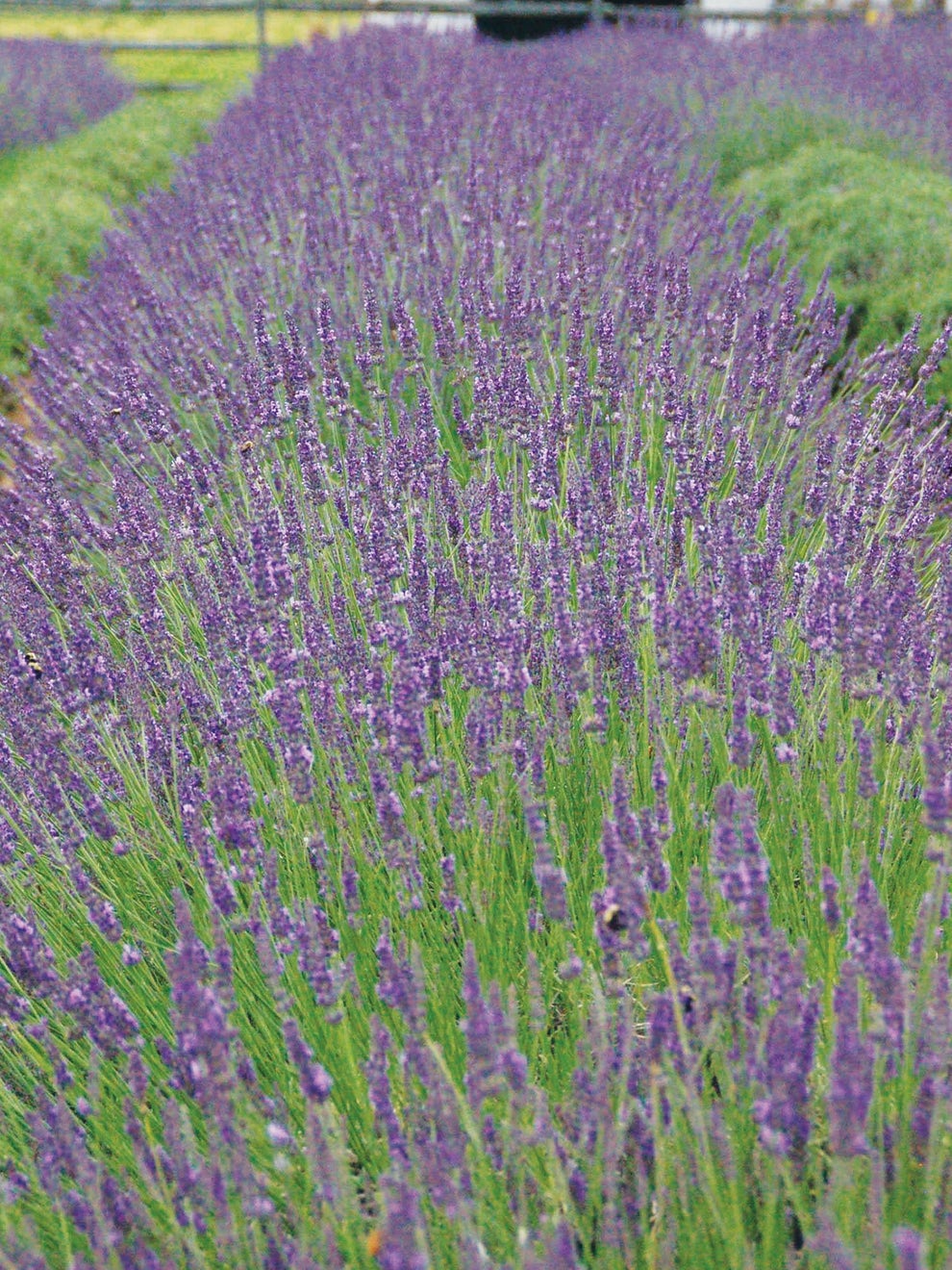
6 – Attract pollinators. A pollinator is a blessing to nature. Without beneficial pollinators many of our edible plants won’t grow well. A pollinator is an insect or animal that carries pollen from one plant to another. The purpose of pollinating a plant is to help the plant grow from seed to an adult plant. It is a type of fertilization of plants which will eventually determine if a plant can grow successfully or not. Nature is wonderful in that every living organism knows its own job or duty. Pollinators such as bees, butterflies, birds, and even wind, helps the eco system thrive and change in nature. Some plants can self pollinate, but most plants need pollination from some form of pollen carriers – such as an insect, wind, or hand pollination. To attract beneficial pollinators, be sure to grow plants that benefit them, so that you invite them into your garden. Pollinators thrive in your garden, and they help your garden thrive.

7 – Use good soil. Soil for plants is like the organs in our body. Soil provides the necessary nutrients to help your plants grow and thrive. The type of soil for your plants is important too. If you’re starting with seeds, sow your seeds in loose soil for better air circulation and emergence of the seedlings. Seeds are tiny and compact, and if the soil is too tight then they will have a difficult time to push through the soil to germinate. You can use a special seed starting soil mixed in with potting soil. If growing seedlings or baby plants whether in-ground or in pots, use high quality soil such as potting soil mixed in with some peat or coconut coir.

8 – Mark your seeds, plants, and keep a journal. It’s important to label your plants whether they are growing in pots or directly in the ground. Labeling your plants can help you identify them as they grow, especially if you’re growing a large amount. Journaling, or some form of garden journal helps you gain valuable insights on how plants grow and the success and failures during the growing process.

9 – Buy organic seeds and seedlings. Organic seeds and seedling plants are grown using stringent organic methods. Organically grown plants are healthier and cleaner for you and for the environment. You can easily find organic seeds and seedlings in your garden center and nurseries.

10 – If at first you don’t succeed, try again. A gardener is much like a parent. And in that sense you are the plant’s parent. Watching your seeds or seedlings grow into adult plants is a wonderful journey. Some plants grow prolifically, while some plants don’t thrive completely. Don’t give up though! Growing a garden is trial and error and can take many years of experience and knowledge to really get things going. Write in your garden journal, support local nurseries and farms, and have fun along the way.

Best of luck in your garden journey!


*photos courtesy of almanac.com and burpee.com

Disclaimer: The product(s)were sent to the author for review by the manufacturer/PR. All reviews on “Happymomblogger” remain unbiased and unpaid and are the sole decision of the author. The opinions of these product(s) were not influenced in any way, shape, or form. As always, please read the ingredients carefully when trying new products.

Please read the labels and ingredients carefully and follow all manufacturer’s instructions (if any). The products selected for the giveaway were generously donated by the companies/PR to help readers learn more about their products. The winner’s choice in using/consuming these products are entirely up to the winner and will not hold the author and her family liable nor the companies/PR liable. These products are made with non-toxic ingredients but always be safe with what you use and consume.

http://www.topmommyblogs.com/blogs/in.php?id=storm


Looking Ahead to 2025 – Sustainability, Choices, and Actions

The brand new year always brings a range of emotions for me. At times I’ll look back and see what I’ve accomplished, what I should have accomplished, and what ways I can improve myself for the future. A new year can bring many opportunities for change and improvement. We can reflect on our past and learn to grow for the better. Sometimes the challenges we faced in the past made us better and helped us see the “bigger picture”. Other times our challenges drained us and left us with even more doubts and questions.

Whatever paths you went through in 2024, don’t let it hinder you from making a brighter and better 2025. This year, I want to focus more on my sustainability efforts and I hope to help others crossover into this journey or help them grow. Our choices define us in a way that can lead to better decisions in the future, or hinder us from growing. Our actions can speak to others and ourselves, telling stories that can either help or prevent growth.

The year 2025, surprisingly also the year of the Snake in the Lunar calendar, signifies wisdom, growth, and transformation. Much like the snake that sheds its outer layer to transform into something newer, it also symbolizes growth and change. Change can bring positive and negative outcomes. But it’s up to us to decide how we want to make positive changes for the present and the future.

Sustainability is a big action, a giant movement. It is one of the most basic forms of survival. But in the sense of sustainability for the environment, we must bolster our efforts to protect our future generations. Sustainability for the environment is, the quality of causing little or no damage to the environment and therefore able to continue for a long time. Being sustainable can be as simple as necessary, or as complicated and intricate as you continue with planning and preserving the environment. Below I’ve listed some easy sustainability efforts, as well as stepping up to more complicated actions that you can take.

5 EASY WAYS TO CHOOSE SUSTAINABLE ACTIONS:

1- Conserve what you have. This philosophy helps with buying less, spending less, and using less. Conservation starts with knowing the needs of your family, yourself, your workplace, and anywhere you’d like to take on conservation. Start by analyzing where you are NOT conserving. For instance, are your utility bills too high? See where you can scale back usage and conserve in areas that are safe and sustainable for you and your family. Here’s a helpful article on conserving water in your home and/or business. You can apply some of these techniques with your other utilities as well: https://earth911.com/home-garden/conserving-water-at-home/

2 – Choose to Reduce, Reuse, and Recycle. If we want our planet to thrive for our future generations, we must choose to be kinder to our planet. Reduce the need for excess waste and materials that are not compostable or easily recyclable/reusable. Reuse what you have and swap with others when possible. By reusing an item indefinitely, we can reduce our need to buy more. But we careful of what you are reusing. Choose materials that are safe to reuse such as cotton, aluminum, glass, and wood. Recycle whenever you can and choose facilities that can recycle as many materials as possible. Most recycling facilities take back materials such as aluminum, glass, paper, wood, metal, and so forth. Be sure to check with your county’s recycling centers.

3 – Buy wisely. As consumers, we have the biggest influence in consumer product goods. When we choose to buy from brands that are environmentally responsible and promotes sustainable actions, we are telling businesses that we want them to be responsible and hold to their values and ethical actions. To take this further, we’ll discuss this in the advanced action steps.

4 – Learn the difference between Organic and Non-GMO. Organic products are products made from organic agriculture and companies must go through a rigorous certfication in order to be certified as organic. Organic food is grown without the use of synthetic chemicals, such as human-made pesticides and fertilizers, and does not contain genetically modified organisms, also known as GMOs. GMO, or genetically modified organism, is a plant, animal or microorganism that has been subjected to biotechnology. While GMO products are quite controversial, with people debating the necessity of this practice versus the dangerous side effects of it, it’s best to choose organic products due to the entire system of process that a certified organic product must go through. This means a cleaner and more sustainable environment for people, animals, and planet.

5 – Grow your own food. You’ve probably already read my posts that promote gardening and growing your own food. There are many benefits to growing your own fruits and vegetables, such as health reasons, sustainability, biodiversity, and just the pure joy of eating fruits and vegetables that were ripened on the branch rather than in the grocery store. In addition, you can grow what you love to eat or try out new crops throughout the years.

5 ADVANCED WAYS TO MAKE SUSTAINABLE ACTIONS:

1 – Choosing ethically made products. I mentioned earlier that consumers have great power in sustaining a business or company. We can choose to support a brand that aligns with our values or reject brands that are detrimental to the environment. But we don’t always get to pick and choose what brands to buy from, and that’s okay too as long as you educate yourself and become more aware of who you’re buying from. Most products are made for mass consumption. In the world of convenience mentality especially in the US, we buy products that save us time, but not necessarily saves our money and health. Do your own research on how companies make their products. This ranges from greenhouse emissions from their factories to how and where they source their raw materials.

2 – Teach your children and future generations. When you leave this world do you wish for a great future for your children and all future generations? Start educating your children at a young age to be advocates for the environment, their health, and their own well being. Education begins at home and it’s our job as parents to give our children an opportunity for a bright future. Teach your children the importance of eating healthy, of less waste, and understand fundamental roles as a caregiver of the planet.

3 – The impact of the meat industry. According to Earth911, The average American eats approximately 226 pounds of meat per year, and they are expected to eat even more – 233 pounds – by 2033. Food accounts for 10% to 30% of our household carbon footprint, and meat accounts for more than half of that. If you choose to eat meat in your meals, try to eat ones that produce less carbon footprint, which in turn can help minimize environmental damage. Beef produces the most product emissions which occurs in processing, transport, retail, cooking, and waste disposal. Pork and poultry produce much less carbon footprint, and seafood varies by type and how they are farmed/caught. To learm more about seafood impact on the environment, check out SeafoodWatch.org

4 – Upcycling. Upcycling is a method of repurposing what you already have instead of throwing them away. The latest trend of upcycling is upcycled food. You might be surprised at how much food is wasted each year in the US, let alone all over the world. Companies are upcycling their food products by using their not-so-perfect fruits and vegetables and producing them into dried fruit, dried soup packets, and so forth. Or they are commissioning farms to save their less perfect produce to be turned into upcycled food products. By upcycling what you already have, you can save money and resources and produce less waste in the environment.

5 – Make your business and company more sustainable. If you have the chance to make the world a better place, would you do it? Sure, you can start at home and with your own family and friends, but companies and businesses can produce A LOT of waste. A business should be responsible for their environmental impact. Afterall, they rely mostly on consumers and the needs of their customers. The energy used to extract, process, and ship raw materials for use in products, along with all the impacts along the supply chain account for the majority of greenhouse gas emissions globally. That also means that business can make the biggest difference simply by deciding to reduce extraction by switching to circular approaches to materials and to decarbonize industrial processes. For more info on how to change your company’s environmental impact, check out: Earth911

We only have one planet, but an abundance of opportunities to take positive actions. Educate yourself on the impact of your own carbon footprint, and take on ways to do more sustainable actions.


Disclaimer: The product(s)were sent to the author for review by the manufacturer/PR. All reviews on “Happymomblogger” remain unbiased and unpaid and are the sole decision of the author. The opinions of these product(s) were not influenced in any way, shape, or form. As always, please read the ingredients carefully when trying new products.

Please read the labels and ingredients carefully and follow all manufacturer’s instructions (if any). The products selected for the giveaway were generously donated by the companies/PR to help readers learn more about their products. The winner’s choice in using/consuming these products are entirely up to the winner and will not hold the author and her family liable nor the companies/PR liable. These products are made with non-toxic ingredients but always be safe with what you use and consume.

http://www.topmommyblogs.com/blogs/in.php?id=storm

Holiday Favorites to Add to Your List

The holidays are quickly approaching and are you stuck on what to get your loved ones, office mates, teachers, and anyone else on your list? This year why not get something that’s good for the planet and for everyone?

I’ve created a list of my favorite brands and products, with wholesome ingredients that are thoughtful and useful. Take advantage of these pre-Black Friday deals and stock up while you can!

Favorite Holiday Gifts for Adults and Children:

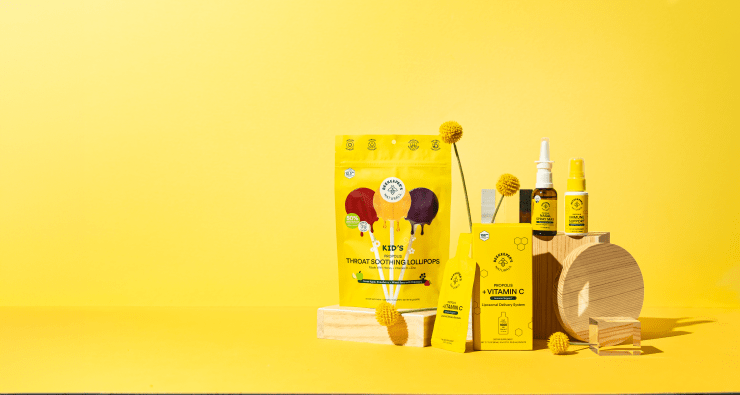
1- Beekeeper’s Naturals – founded by a woman entrepreuneur who wanted to bring a better way of taking care of your health. This brand offers high quality super honey, bee pollen, and health supporting products for adults and children. Plus, they donate a portion of their merchandise profit to bee research at UC Davis. Shop before the Black Friday rush with 30% off EVERYTHING!!! This is THE time to stock up for yourself and gifts for others! Click through link for your 30% off:  https://www.beekeepersnaturals.com/collections/site-wide-sale?_ef_transaction_id=&utm_source=affiliate&utm_medium=email&utm_campaign=374&oid=100&affid=374


2 – Honeybunch Naturals (BEEdearth) – another woman entrepreuneur from the “land of Manuka honey”, New Zealand. Manuka honey is one of the most powerful superfoods that is used for health and medicinal purposes. Sweet and versatile, Manuka honey comes only from the Manuka-bred honey bees in New Zealand. You can find many wonderful products from this brand for everyone on your list. Check out this special 3-piece bundle, aBEEgos that includes (1) Pure raw MGO 100 mono floral manuka honey, (1) organic manuka honey body butter, (1) organic manuka honey lemongrass essential oil sugar scrub : https://honeybunchnaturals.com/products/the-3-abeegos

3 – American Meadows – for the gardening lovers in your life, or just anyone who enjoys plants. American Meadows has awesome seasonal, native, and unique seeds and plants to choose from. They also support schools and other non-profit organizations in raising awareness of biodiversity and the importance of pollinators: https://www.americanmeadows.com/

4 – Tentree – a sustainably made clothing and accessories brand that plants at least 10 TREES for every product sold. They offer apparel for men, women, and children, and a great selection of seasonal items. Be sure to register your purchases to keep track of your planted trees: https://www.tentree.com/

5 – Plaine Products – a women-owned all natural and organic health and beauty brand. Their products are clean, and made without any articial ingredients or colors. Use this unique link for an extra 20% off with code, Happymom : https://www.plaineproducts.com/ref/Suzan%20C./

Check out Plaine Products special Black Friday sale with up to 25% off with code: HOLIDAY24. Special holiday sale is from November 29 – December 3.

6 – Bookstores – sadly, most brick and mortar bookstores are phasing out for digital platforms. While digital books, magazines, and audiobooks have their perks, it’s nice to walk into a bookstore to pick up a hardcover book and be able to flip through the pages. Or have a cup of hot tea inside the store while you browse through your new purchases. Try to support local bookstores, or even major bookstores such as Barnes and Noble. You can find various types of gifts throughout the year and if you’re stuck on a perfect gift, gift cards are always great gifts for adults and children.

7 – Blipshift – designed by artists and car enthusiasts, this online store sells clothing and accessories suitable for the gearheads in your life. The designs are exclusive to Blipshift as they are made by artists or people who just love to promote their love for automobiles. Each portion of the sale gives back to the artist: https://www.blipshift.com/

The Balanced Pantry Box (Original)

8 – Cratejoy – a plethora of gift ideas for everyone in your life and especially those hard to buy for. A subscription based online store and also single purchases, Cratejoy has everything from books, to beverages, to health products: https://www.cratejoy.com/

9 – Teadrops – an all natural and organic tea and tea latte company. Teadrops are delightful concentrated tea that are shaped to dissolve in hot water. There is something to please everyone, and the teas range from caffeinated, to herbal, and to fruity. Just drop the tea “drop” in your cup and your tea is ready! Teadrops sources their tea from sustainable tea farms, and donates to the global water crisis. We love the varietal range of teas and tea lattes: https://www.myteadrop.com/

10 – Grove Collaborative – an online store that sells natural and organic products for the whole family! Their products range from home and garden, to health and beauty, and to bed and bath: https://www.grove.co/

This holiday season can bring many joyful memories. Whether you plan on spending less this year, or just want to find that special gift, take advantage of special deals and brands that give back and support worthy causes.

* Please note that this post may contain affiliate links. Purchases made through the clickable links could provide affiliate commission.

Disclaimer: The product(s)were sent to the author for review by the manufacturer/PR. All reviews on “Happymomblogger” remain unbiased and unpaid and are the sole decision of the author. The opinions of these product(s) were not influenced in any way, shape, or form. As always, please read the ingredients carefully when trying new products.

Please read the labels and ingredients carefully and follow all manufacturer’s instructions (if any). The products selected for the giveaway were generously donated by the companies/PR to help readers learn more about their products. The winner’s choice in using/consuming these products are entirely up to the winner and will not hold the author and her family liable nor the companies/PR liable. These products are made with non-toxic ingredients but always be safe with what you use and consume.

http://www.topmommyblogs.com/blogs/in.php?id=storm