

The screaming. The crying. The begging. No, it’s not your kids at a Taylor Swift concert, it’s them having to go back to school in a few weeks. With summer vacation just rounding up towards late August, some school districts are gearing up for your students to head back to class. Whether your child is getting ready for college or just starting their first year, being ready and prepped makes a successful and less tearful school year.
For some students going back to school after a summer full of late nights and endless playtime can be dreadful. No longer are they staying up late to chat with friends or hanging out all day at the mall or beach. Once school starts, it’s back to homework, early nights and mornings, and getting ready to pass quizzes and tests. But returning to school doesn’t have to be fearful if we help our children understand that school is a great place to learn and grow.
Before school starts, let’s look at some important tips to help your students succeed.
WHAT YOU NEED TO DO BEFORE THE SCHOOL YEAR STARTS:
-
It’s important to enter all the data requested by your child’s school. Most school districts offer an online student information system. If you’re already registered into the system, many schools require updated information such as immunization records, emergency contacts, and any changes from the previous school year. Updating and entering accurate info helps the school keep students data accurate and concise.
-
Start shopping for school items now. While some schools offer a school supply list, know that those are suggestions only and can vary by grade and teacher. At most, be prepared with a school backpack or school tote, lined or ruled papers, notebooks, pencils, calculator, and a folder or binder. Shopping early for the essentials can prevent last minute panic when stores have sold out most supplies by the end of August.
-
Decide on transportation. Depending on the age of your child – whether they can drive on their own or are too young to walk to school – plan ahead on who’s going to drop off and pick up your children from school. If you are doing the driving every day, then great! If not, arrange with friends, relatives, school bus transportation, and even a carpool group.
-
Get all of your immunization ready. Depending on what state or country you live in, schools require some kind of immunization before heading back into class. Be prepared to get the list from your child’s doctor or contact the school for an updated immunization requirement list. Most schools will not allow your child back to school until they’ve fulfilled the necessary immunization.
-
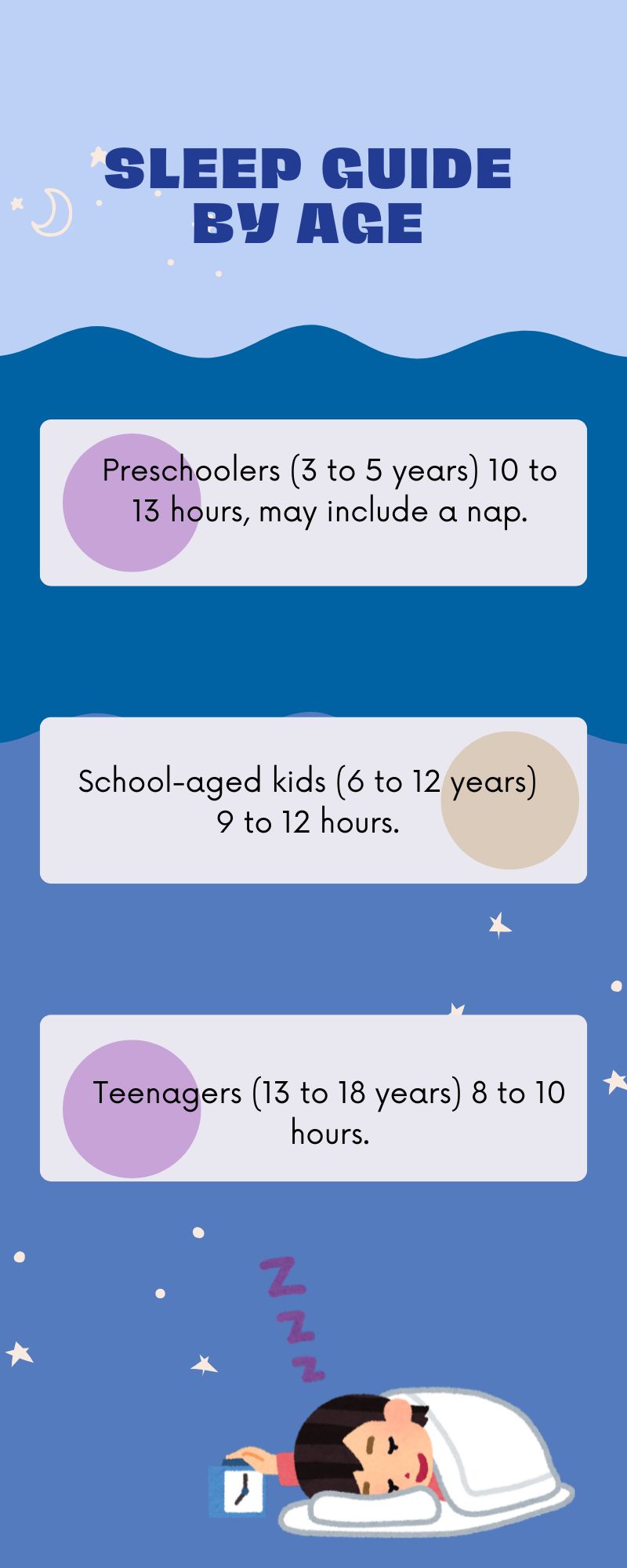
Practice getting to sleep early enough to rise in the morning. If your child has been enjoying the late night freedom, then now is the time to get them ready to go to bed early enough to get enough sleep. According to the American Academy of Sleep Medicine, the amount of sleep correlates with your child’s age. Sleep is an essential function to good health for everyone, but especially for school-aged children. We all know the cranky child that doesn’t get enough sleep, and loosing quality sleep can lead to unhealthy habits.
-
Decide on lunch plans. Most states offer free or reduced lunch for public schools. But if they don’t, or if your child refuses school lunches, then plan ahead what to pack for them. Most schools offer at least 30 minutes for lunch (not counting recess playtime), so packing a boxed lunch can be quite daunting. How can you make sure your child will eat enough of your packed lunch, not throw them away, and still have enough time to enjoy some fun before going back to class? One important thing to remember, as someone who has worked in the education industry for a long time, is to make sure your child knows how to open and close their lunch box. While staff would be available to help open packages and so forth, they’re most likely watching a large group of students at lunch and won’t necessarily have time to open your child’s lunch box. Find lunch boxes that are easy to snap open and close, or if all else fails, put their lunch items in brown paper bags. For fun and clever lunch ideas, check out Weelicious.
WHAT HAPPENS DURING SCHOOL TIME:
-
You’re sending your children to school, trusting them with adults at school, and hoping they learn and absorb all they can. You can’t always be at their school to watch them or help them so the best you can do is familiarize yourself with your child’s school. Get to know the school Principal, administrative staff, support staff, and of course, your child’s teacher or teachers. Let them know you are there to support your child’s school journey as well as support the teachers and school’s goals. My most important advice is to let your child’s teacher know that you can be cooperative and supportive throughout the school years. This makes a smoother and easier time for your child and teacher.
-
Depending on your child’s age and maturity, teach them how to handle difficult situations at school. While we all wish we can hide inside our child’s backpack to fight off any dangers that might arise, in reality, we can only depend on our child and the school administration to make good choices. Teach your children that bullying isn’t okay, regardless of who’s doing it. And teach them that it’s okay to speak to a school staff if they are being bullied or harassed in any way.
-
Understand how schools handle emergencies. School districts will have implemented policies for most emergencies, or at best, the individual school site will have their own emergency protocols. While schools don’t necessarily have to reveal when an emergency arises, they will do their best to protect everyone inside the school. You can always visit the school’s website, or contact the school administration (Principal or secretary) and see how they handle emergency situations such as possible fire or police activity. It is also a school requirement to practice emergency drills throughout the school year to better prepare the students.
-
Get familiar with homework and during school work. Not all students are fans of homework, nor are their parents. Homework is usually assigned if a student or class couldn’t complete the work during school hours. Or if a class or student need to practice a lesson or study for an upcoming quiz or test. Your school site or district should indicate how much homework is required by grade. Your child’s teacher will usually announce homework expectations in their class packets or during back to school days. Students taking advance courses such as Honors or AP (Advanced Placement) will require extra work to be done at home. These classes are usually taught to prepare students for college or higher learning. As long as your child knows the expectations and requirements for homework, they can stay on top of their school work and hopefully not fall behind.

DURING THE SCHOOL YEAR:
-
Now that you’ve gained a bit of understanding and preperation for back to school, continue with your best practices throughout the school year. Situations can change, but having plans ahead of time and knowing what to expect can help alleviate pains and frustrations.
-
Set realistic goals for your children. I’ve seen many students struggle with their school work, have bad attitudes, and just general non interest while in class. Are your children involved in too many after school activities? Are they staying up late struggling with homework? Or are they being pushed to be the top student in the school? When you set realistic goals and expectations, then your children will have a better chance to be a well-rounded person.
-
Participate or volunteer whenever possible. As a parent, or guardian, it’s crucial to know what happens at your child’s school. Some school Principals or administrators will send out newsletters or communication regarding school events, activities, and so forth. It’s important to know what extracurricular activities and events are offered at the school so that when your child asks, you are not registering them at the last minute and risk not getting accepted.
-
Check in with your child’s teachers throughout the school year. Most older students will already have a routine set up with their teachers or classes. This entails knowing what happens if they turn in homework or projects late, or who to turn to help for tutoring or extra lessons. But what if your child doesn’t normally reveal what happens at school? If you’re not checking in with your child or checking in with their teachers on occasion, then it can get difficult to get help when situations arise. Think of it this way – your child’s teachers are in charge of your child for at least 6 hours of the day. Teachers have huge responsibilities and have to be monitor their students everyday. Keep in touch with your child’s teachers by volunteering, donating when asked, and participating in school events and activities when possible.
-
Don’t be afraid to ask for help as a parent. Parenting can be tough, and being a child can be even tougher. Your children can be struggling in school or excel in every subject. I don’t know any parent who wishes to see their child struggle in school. We all want our children to learn as much as they can, grow as positively as possible, and become great individual adults. But if you’re also struggling to parent or find that life balance, don’t hesitate to get support. Support can come from your own family, your friends, school staff, co-workers, and professional counselors. If you are struggling somewhere, most likely your children will notice it too and it can also affect them.
I wish you all a happy, healthy, and prosperous school year!
Disclaimer: The product(s)were sent to the author for review by the manufacturer/PR. All reviews on “Happymomblogger” remain unbiased and unpaid and are the sole decision of the author. The opinions of these product(s) were not influenced in any way, shape, or form. As always, please read the ingredients carefully when trying new products.
Please read the labels and ingredients carefully and follow all manufacturer’s instructions (if any). The products selected for the giveaway were generously donated by the companies/PR to help readers learn more about their products. The winner’s choice in using/consuming these products are entirely up to the winner and will not hold the author and her family liable nor the companies/PR liable. These products are made with non-toxic ingredients but always be safe with what you use and consume.
 http://www.topmommyblogs.com/blogs/in.php?id=storm

 Happymomblogger
Published by